
MIT-News Research
MIT News MIT News is dedicated to communicating to the media and the public the news and achievements of the students, faculty, staff and the greater MIT community.
- CryoPRISM: A new tool for observing cellular machinery in a more natural environment
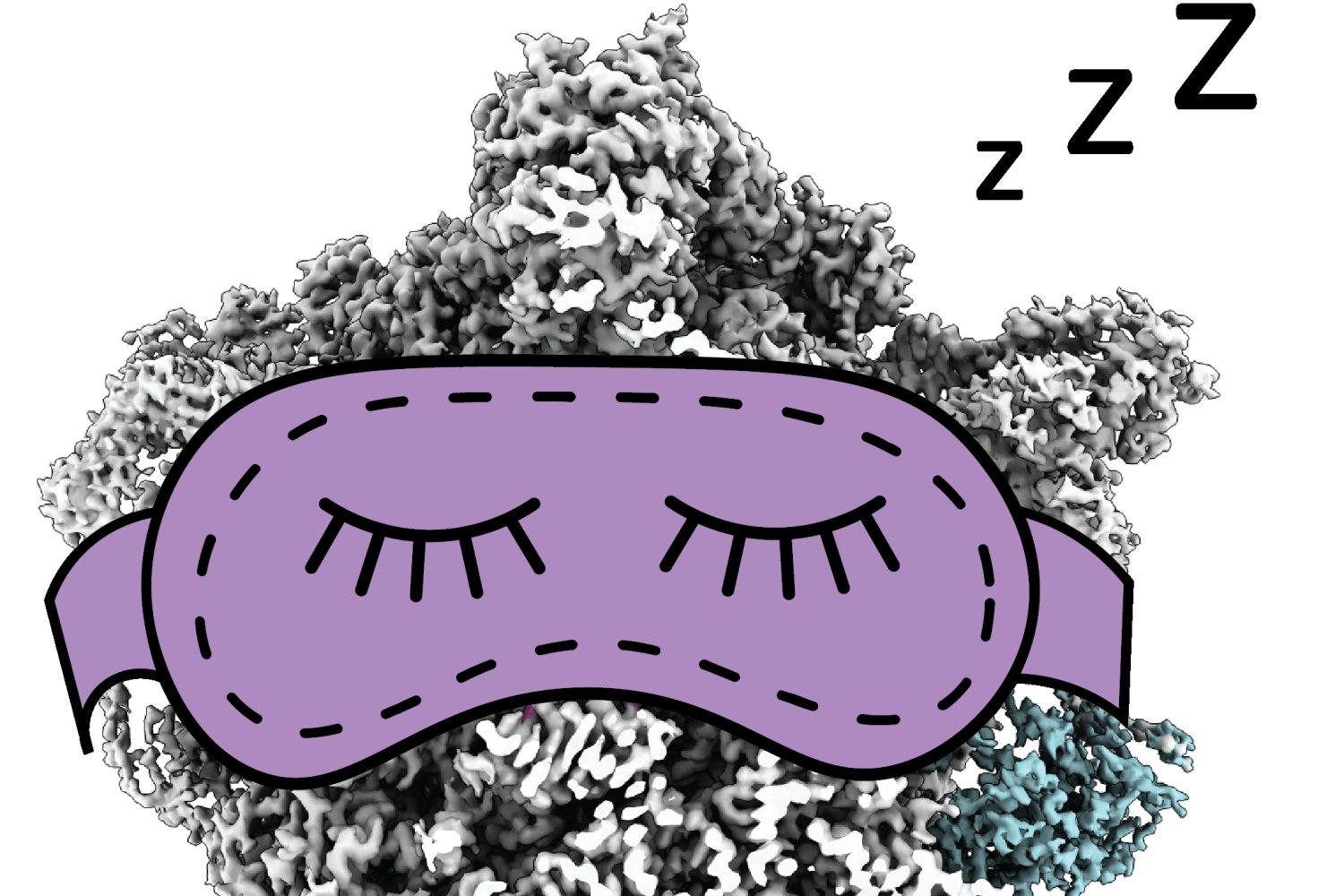 von Ekaterina Khalizeva | Department of Biology am 20. März 2026 um 19:25
The method allows researchers to observe biomolecular complexes in a quick, accurate, and budget-friendly way, providing new insights into bacterial protein synthesis.
- MIT and Hasso Plattner Institute establish collaborative hub for AI and creativity
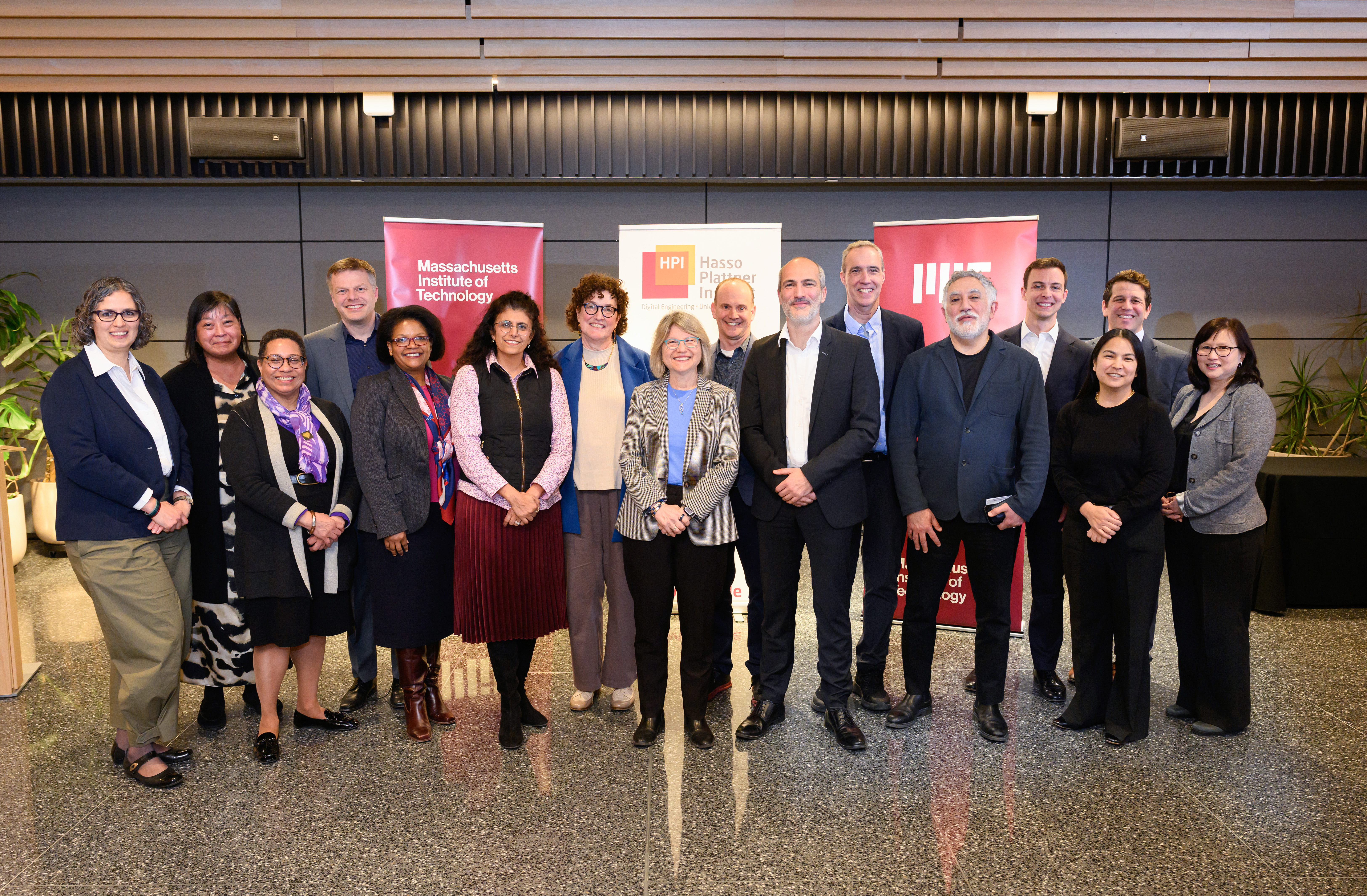 von School of Architecture + Planning | MIT Schwarzman College of Computing am 20. März 2026 um 12:45
Jointly led by the MIT Morningside Academy for Design, MIT Schwarzman College of Computing, and the Hasso Plattner Institute in Potsdam, the hub will foster a dynamic community where computing, creativity, and human-centered innovation meet.
- Improving cartilage repair through cell therapy
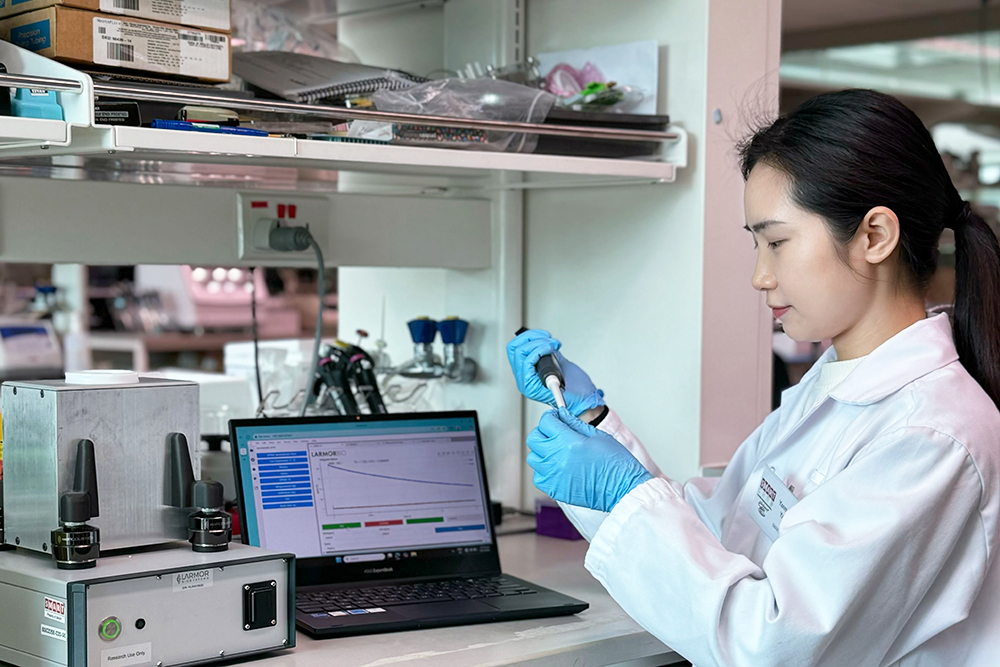 von Singapore-MIT Alliance for Research and Technology am 19. März 2026 um 13:50
SMART breakthrough offers a promising pathway toward improved manufacturing of high‑quality cells for regenerative therapies to treat joint diseases.
- A better method for identifying overconfident large language models
 von Adam Zewe | MIT News am 19. März 2026 um 4:00
This new metric for measuring uncertainty could flag hallucinations and help users know whether to trust an AI model.
- Generative AI improves a wireless vision system that sees through obstructions
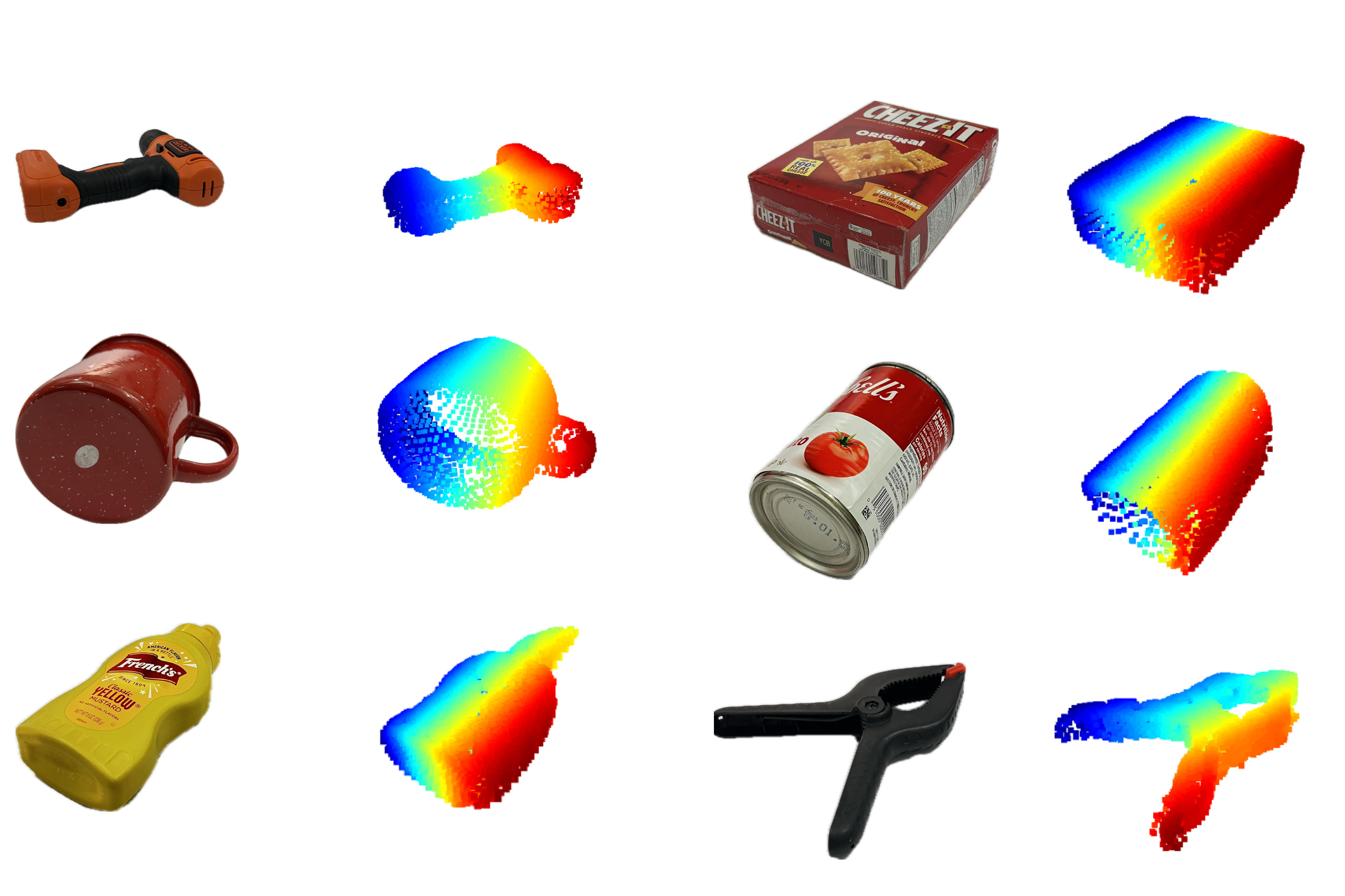 von Adam Zewe | MIT News am 19. März 2026 um 4:00
With this new technique, a robot could more accurately detect hidden objects or understand an indoor scene using reflected Wi-Fi signals.
- New model predicts how mosquitoes will fly
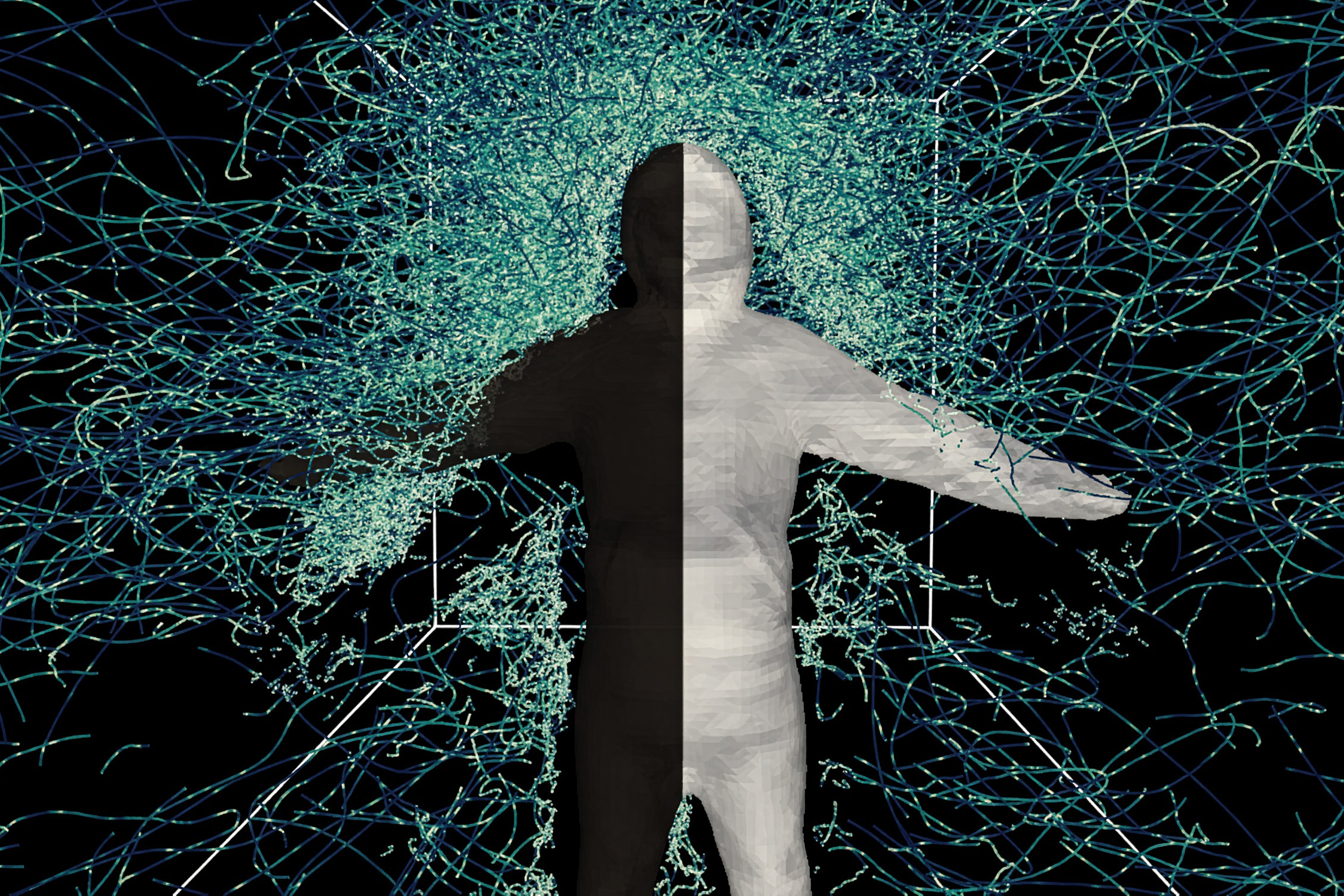 von Jennifer Chu | MIT News am 18. März 2026 um 18:00
Their flight patterns change in response to different sensory cues, a new study finds. The work could lead to more effective traps and mosquito control strategies.
- Brain circuit needed to incorporate new information may be linked to schizophrenia
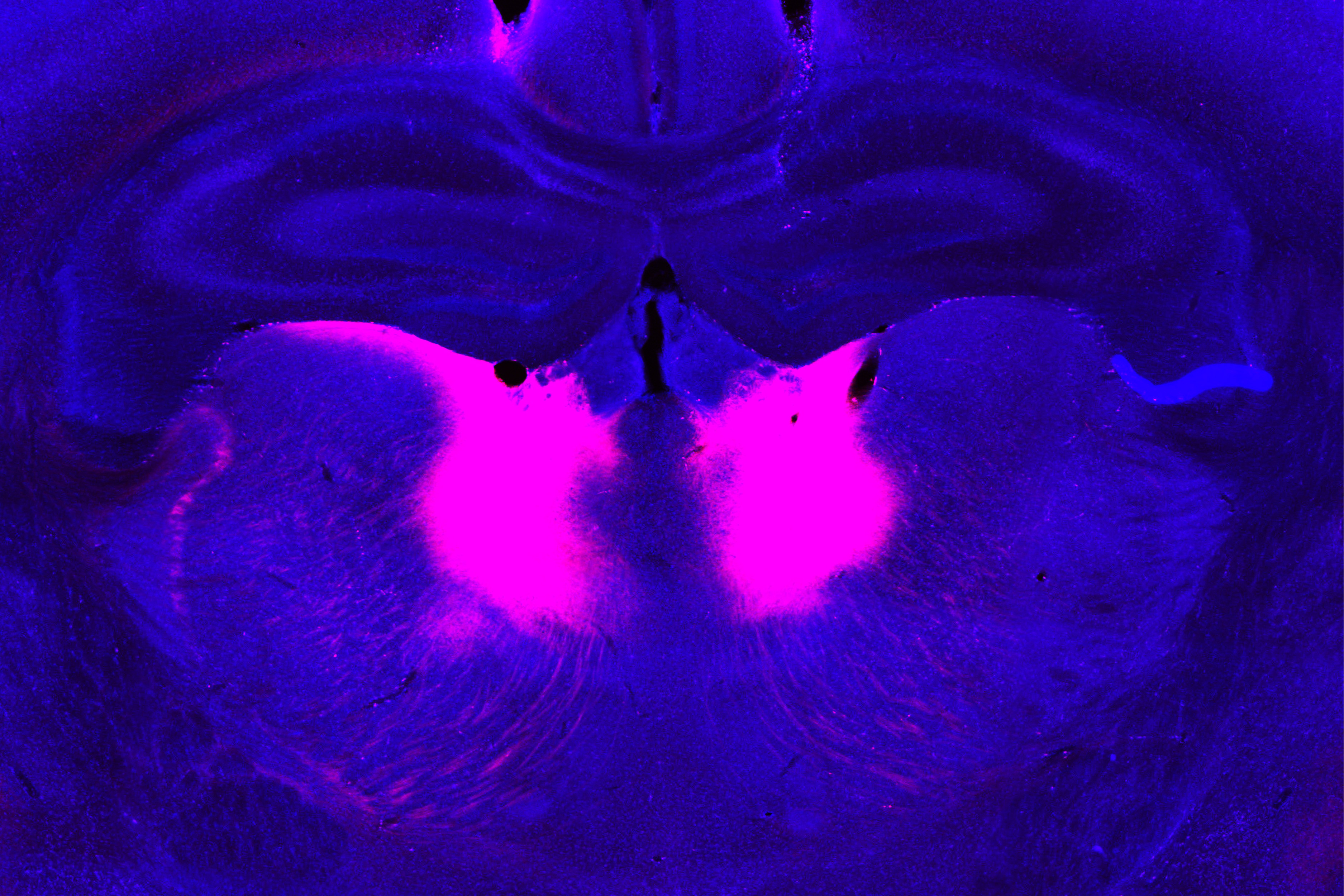 von Anne Trafton | MIT News am 18. März 2026 um 10:00
Impairments of this circuit may help to explain why some people with schizophrenia lose touch with reality.
- Turning extreme heat into large-scale energy storage
 von Zach Winn | MIT News am 18. März 2026 um 4:00
Fourth Power, founded by Professor Asegun Henry, is developing thermal batteries for efficiently storing excess electricity from utility grids and power producers.
- MIT-IBM Watson AI Lab seed to signal: Amplifying early-career faculty impact
 von Lauren Hinkel | MIT-IBM Watson AI Lab am 17. März 2026 um 20:35
Academia-industry relationship is an early-stage accelerator, supporting professional progress and research.
- Three anesthesia drugs all have the same effect in the brain, MIT researchers find
 von Anne Trafton | MIT News am 17. März 2026 um 15:00
Discovering this common mechanism could lead to a universal anesthesia-delivery system to monitor patients more effectively.
- Ocean bacteria team up to break down biodegradable plastic
 von Zach Winn | MIT News am 16. März 2026 um 14:00
MIT researchers uncovered the roles of bacterial species from the environment as they consume biodegradable plastic.
- New sensor sniffs out pneumonia on a patient’s breath
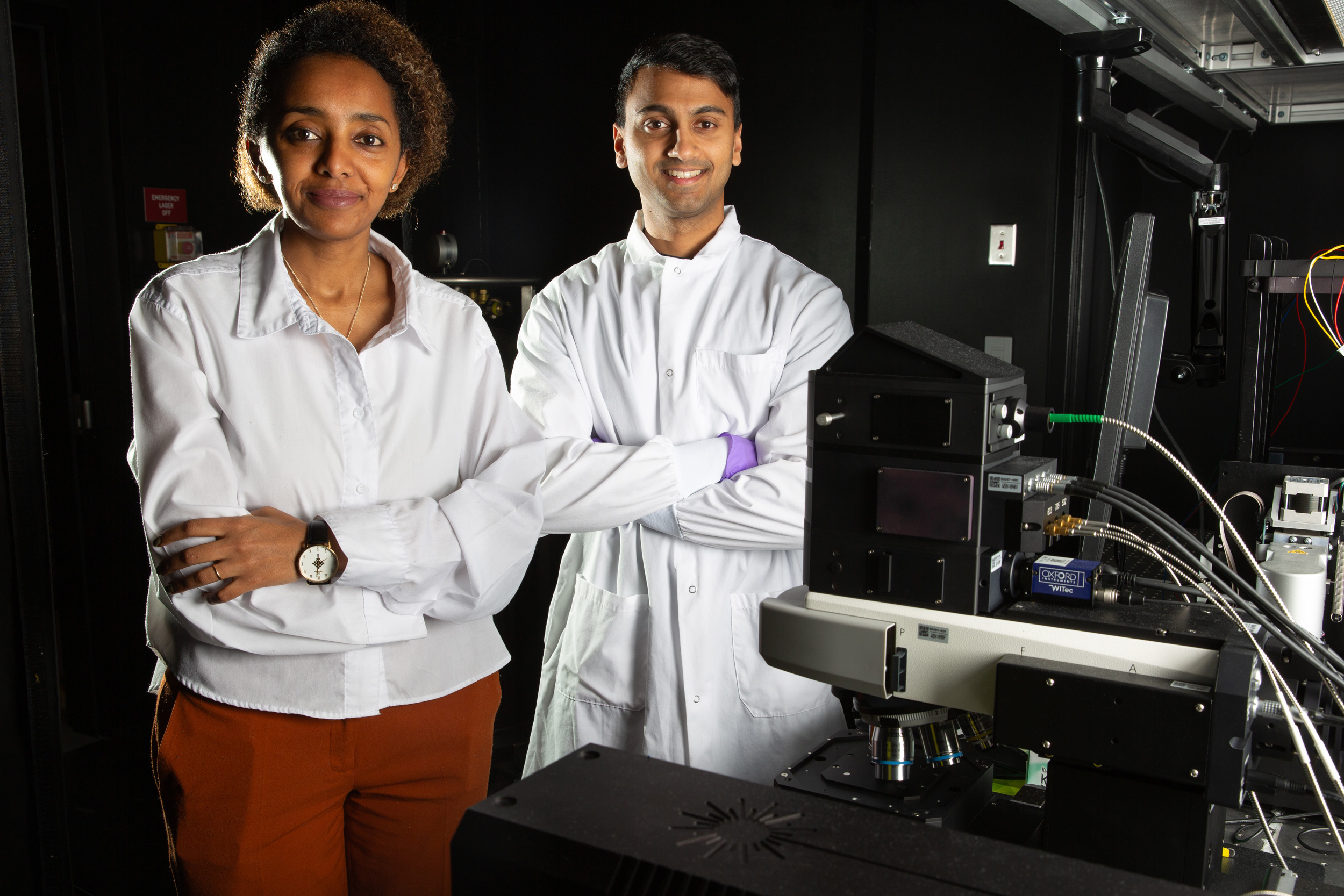 von Jennifer Chu | MIT News am 16. März 2026 um 4:00
The technology could enable fast, point-of-care diagnoses for pneumonia and other lung conditions.
- Scientists discover genetics behind leaky brain blood vessels in Rett syndrome
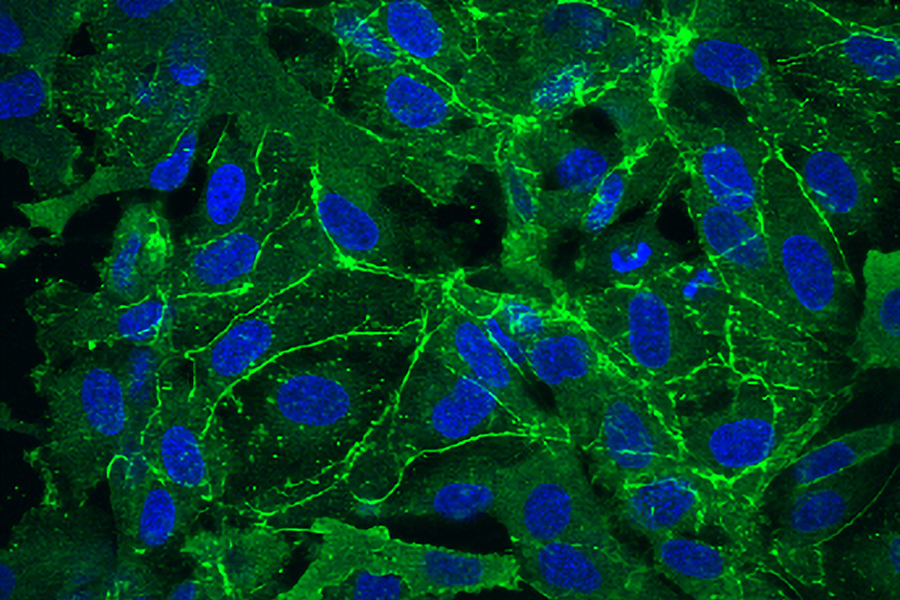 von David Orenstein | The Picower Institute for Learning and Memory am 13. März 2026 um 19:15
By showing the problem derives from genetic mutations that lead to overexpression of a microRNA, MIT researchers’ study points to potential treatment.
- Next-generation geothermal energy: Promise, progress, and challenges
 von MIT Energy Initiative am 13. März 2026 um 18:55
Geothermal innovators at MIT and elsewhere are seeking deeper and hotter rocks to generate electricity at scale.
- How the brain handles the “cocktail party problem”
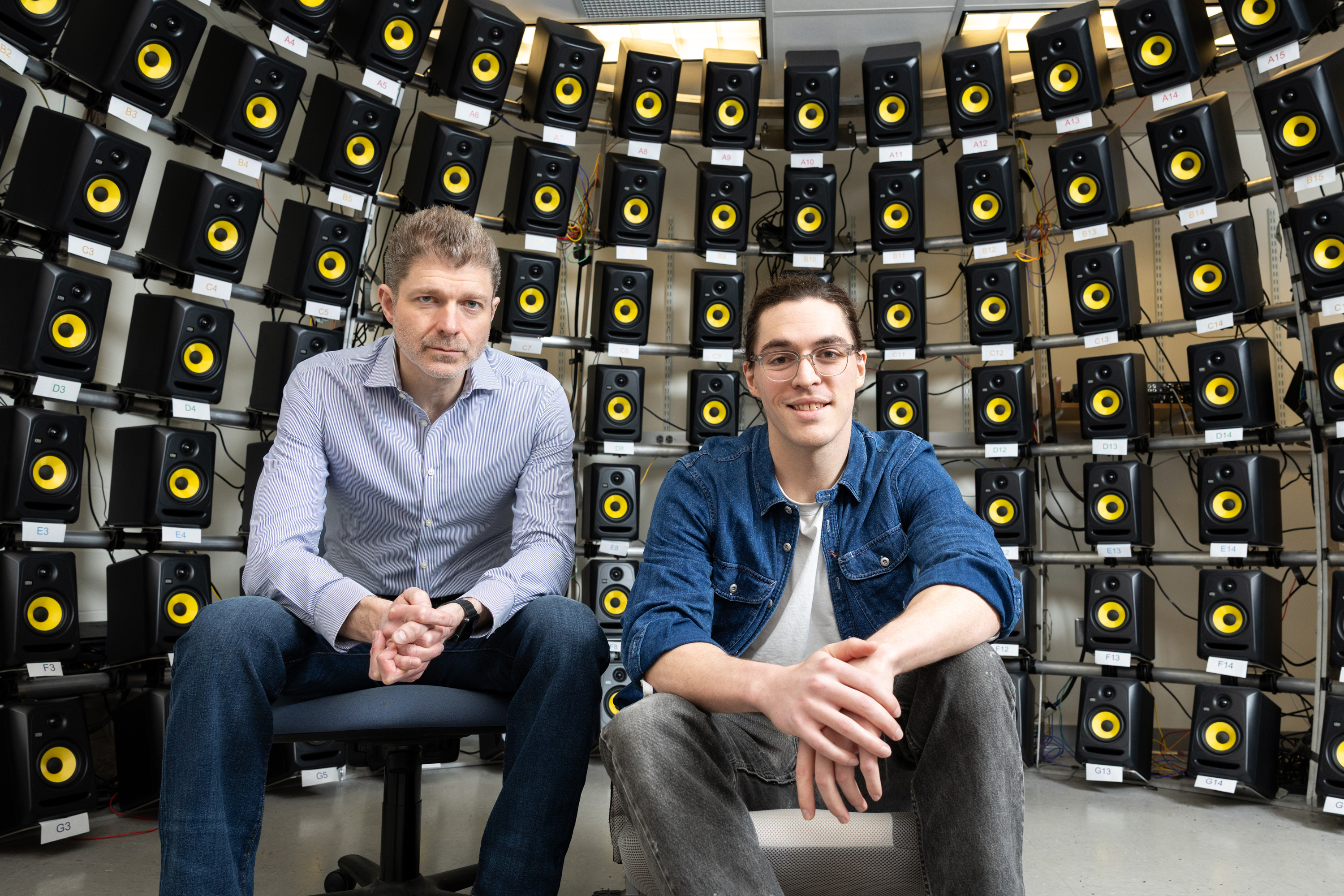 von Anne Trafton | MIT News am 13. März 2026 um 10:00
Using a computational model, neuroscientists showed how the brain can selectively focus attention on one voice among others in a noisy environment.
- Can AI help predict which heart-failure patients will worsen within a year?
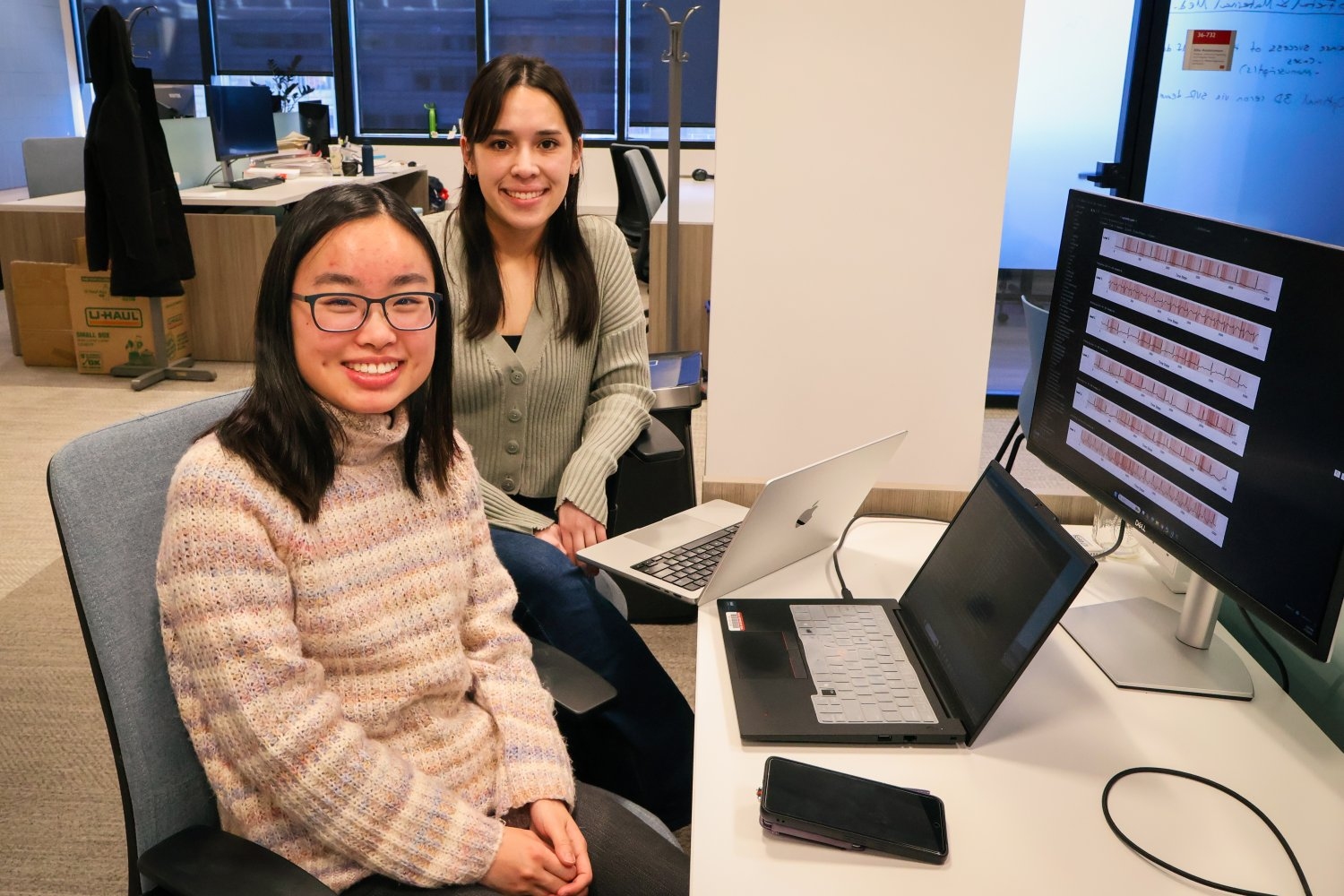 von Alex Ouyang | Abdul Latif Jameel Clinic for Machine Learning in Health am 12. März 2026 um 21:30
Researchers at MIT, Mass General Brigham, and Harvard Medical School developed a deep-learning model to forecast a patient’s heart failure prognosis up to a year in advance.
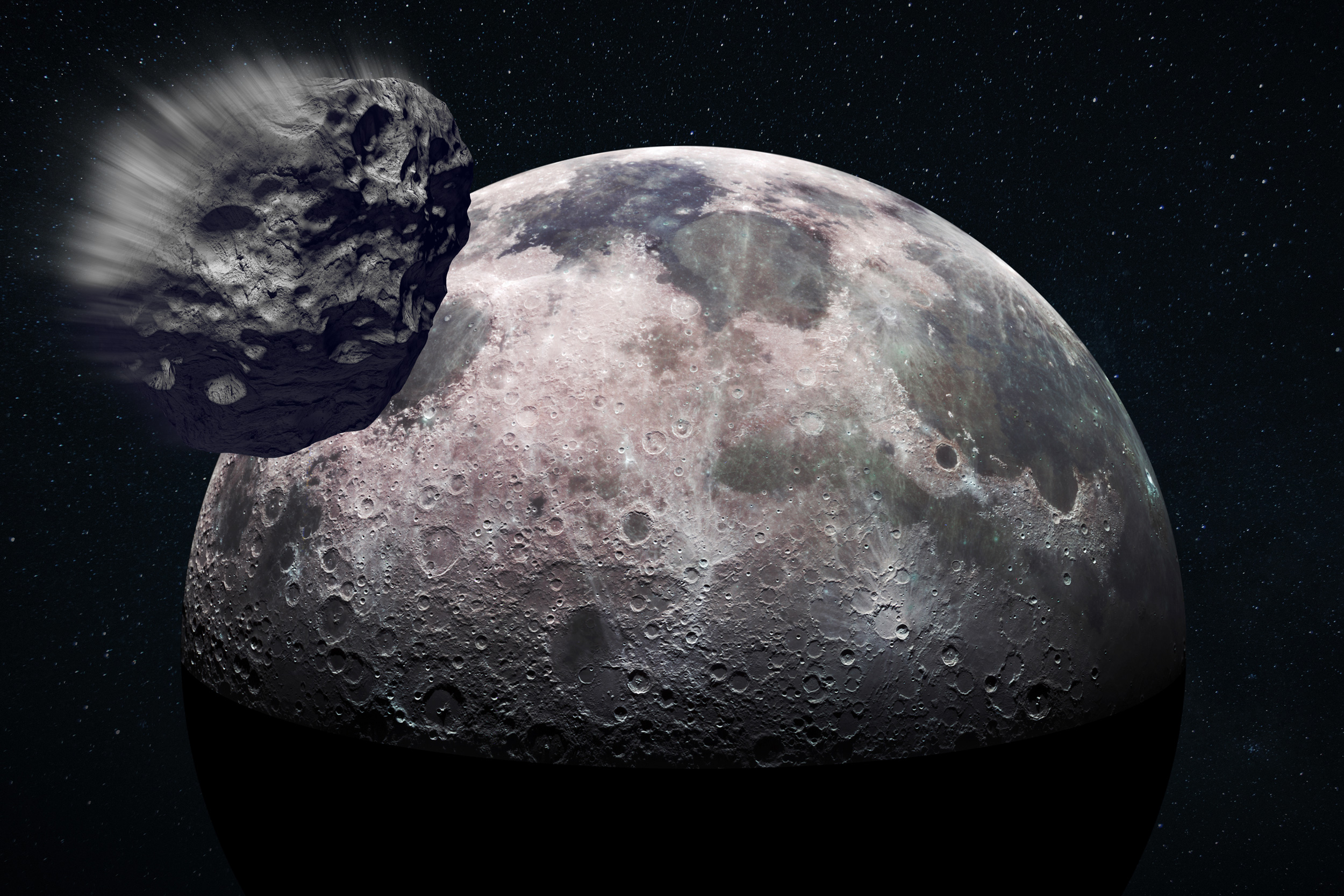
- 3 Questions: Fortifying our planetary defenses
 von Abby Abazorius | MIT News am 12. März 2026 um 4:00
MIT astronomers are developing a new way to detect, monitor, and mitigate the threats posed by smaller asteroids to our critical space infrastructure.
- 3 Questions: On the future of AI and the mathematical and physical sciences
 von Laboratory for Nuclear Science am 11. März 2026 um 22:30
Professor Jesse Thaler describes a vision for a two-way bridge between artificial intelligence and the mathematical and physical sciences — one that promises to advance both.
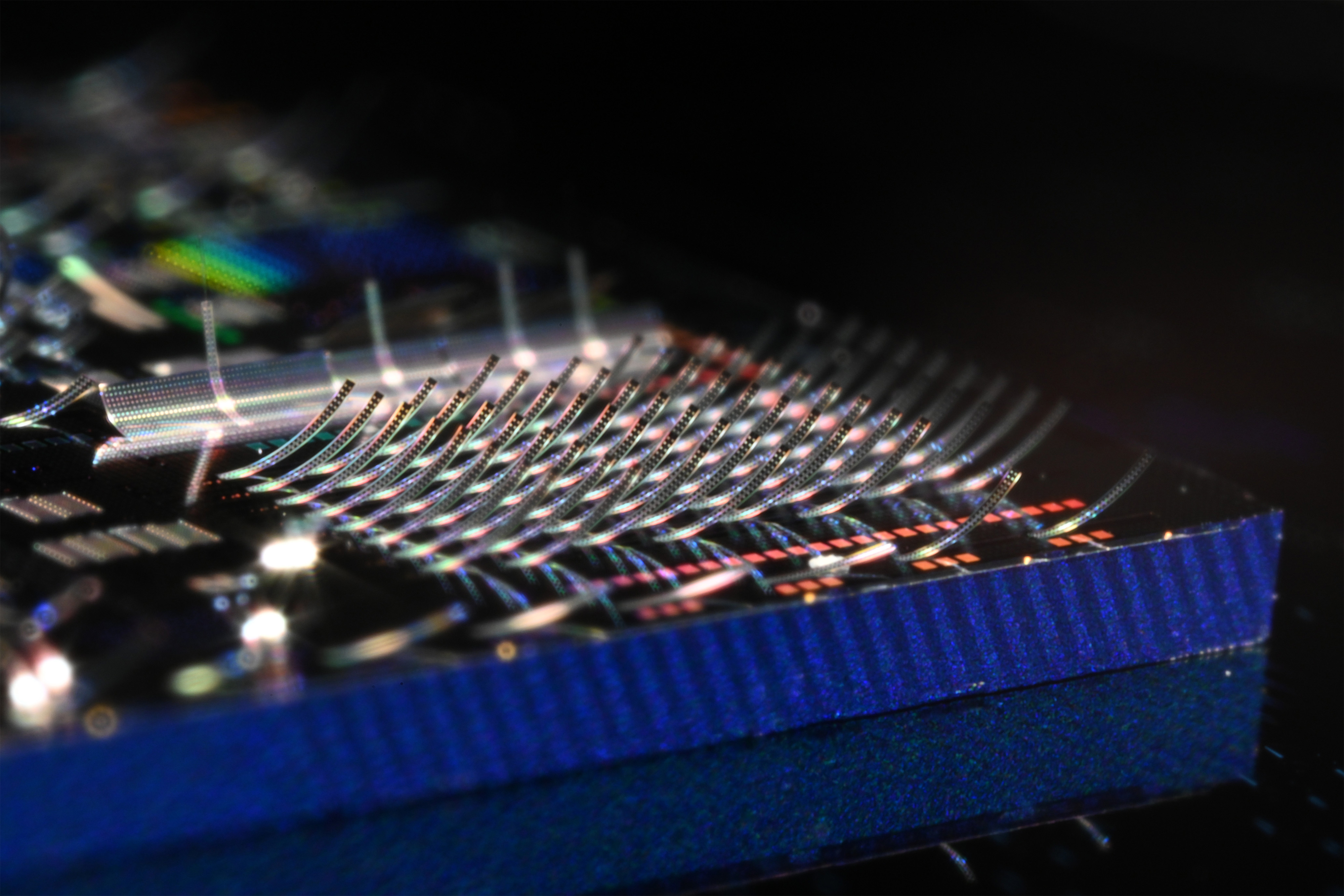
- New photonic device efficiently beams light into free space
 von Adam Zewe | MIT News am 11. März 2026 um 16:00
Light-emitting structures that curl off the chip surface could enable advanced displays, high-speed optical communications, and larger-scale quantum computers.
- A better method for planning complex visual tasks
 von Adam Zewe | MIT News am 11. März 2026 um 4:00
A new hybrid system could help robots navigate in changing environments or increase the efficiency of multirobot assembly teams.
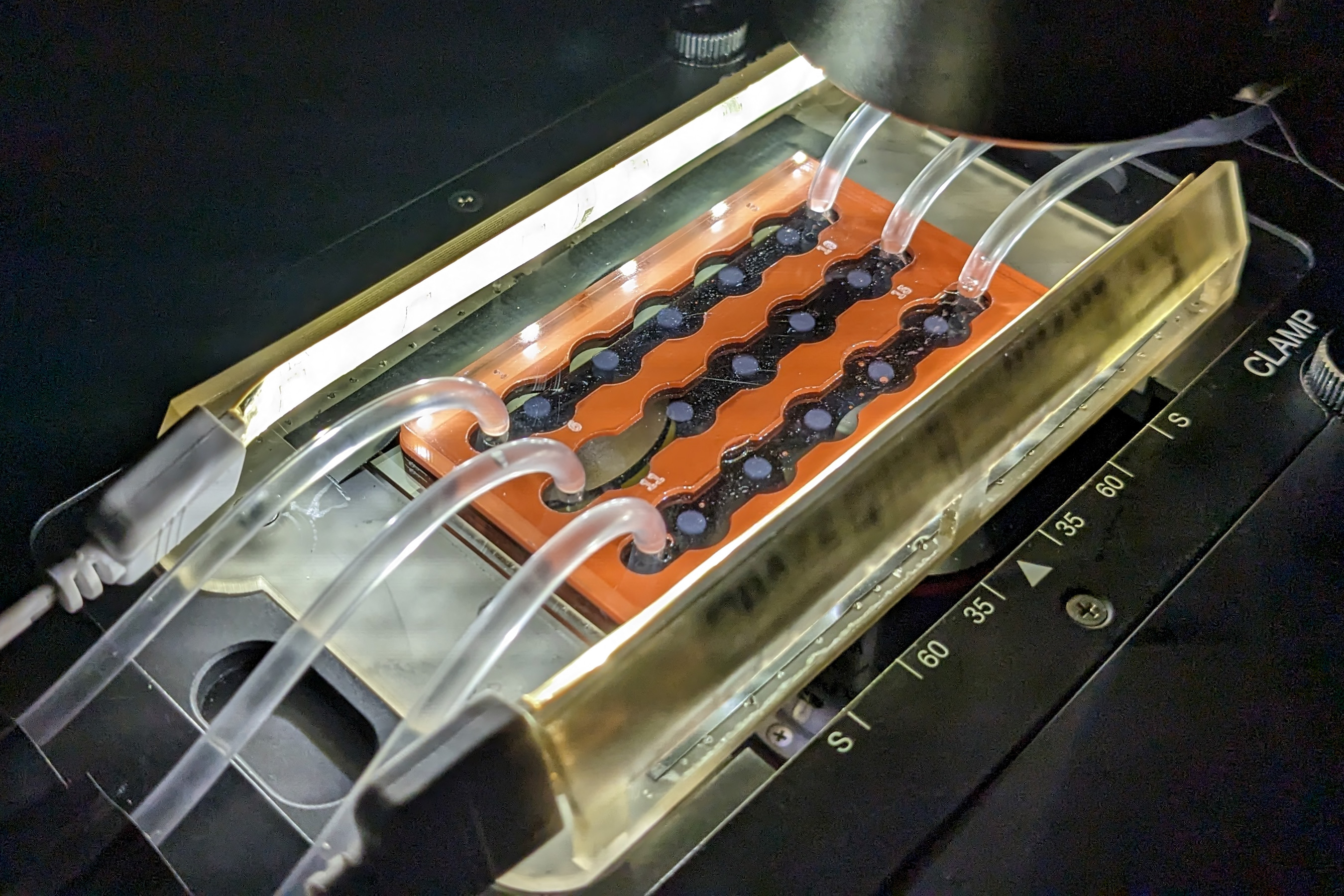
- Understanding how “marine snow” acts as a carbon sink
 von Jennifer Chu | MIT News am 9. März 2026 um 19:00
A new study finds hitchhiking bacteria dissolve essential ballast in ubiquitous “snow” particles, which could counteract the ocean’s ability to sequester carbon.
- Neurons receive precisely tailored teaching signals as we learn
 von Jennifer Michalowski | McGovern Institute for Brain Research am 9. März 2026 um 16:50
New work suggests the brain can deliver neuron-specific feedback during learning — resembling the error signals that drive machine learning.
- Improving AI models’ ability to explain their predictions
 von Adam Zewe | MIT News am 9. März 2026 um 4:00
A new approach could help users know whether to trust a model’s predictions in safety-critical applications like health care and autonomous driving.
- X-raying rocks reveals their carbon-storing capacity
 von Jennifer Chu | MIT News am 6. März 2026 um 5:00
New research by MIT geophysicists could assist efforts to remove carbon from the atmosphere and store it underground.
- Seeds of something different
 von Peter Dizikes | MIT News am 6. März 2026 um 5:00
Kate Brown’s book, “Tiny Gardens Everywhere,” examines the hidden history of urban farming, its extensive use, and the politics of growing food.
- New insights into a hidden process that protects cells from harmful mutations
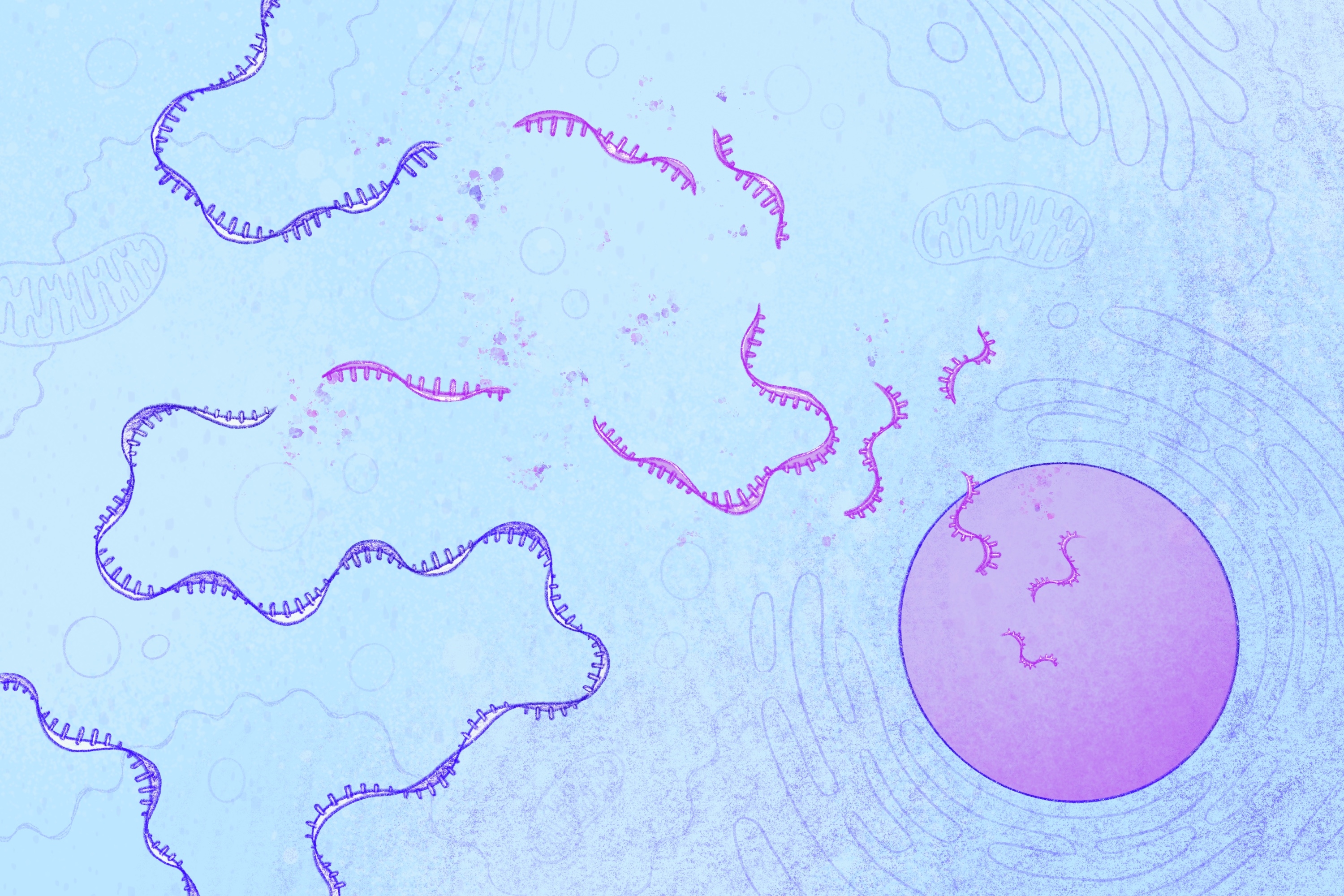 von Shafaq Zia | Whitehead Institute am 5. März 2026 um 22:15
Research reveals how cells may activate a compensation system that can reduce the effects of harmful genetic mutations. This could inform gene therapy development.
- Recreating the forms and sounds of historical musical instruments
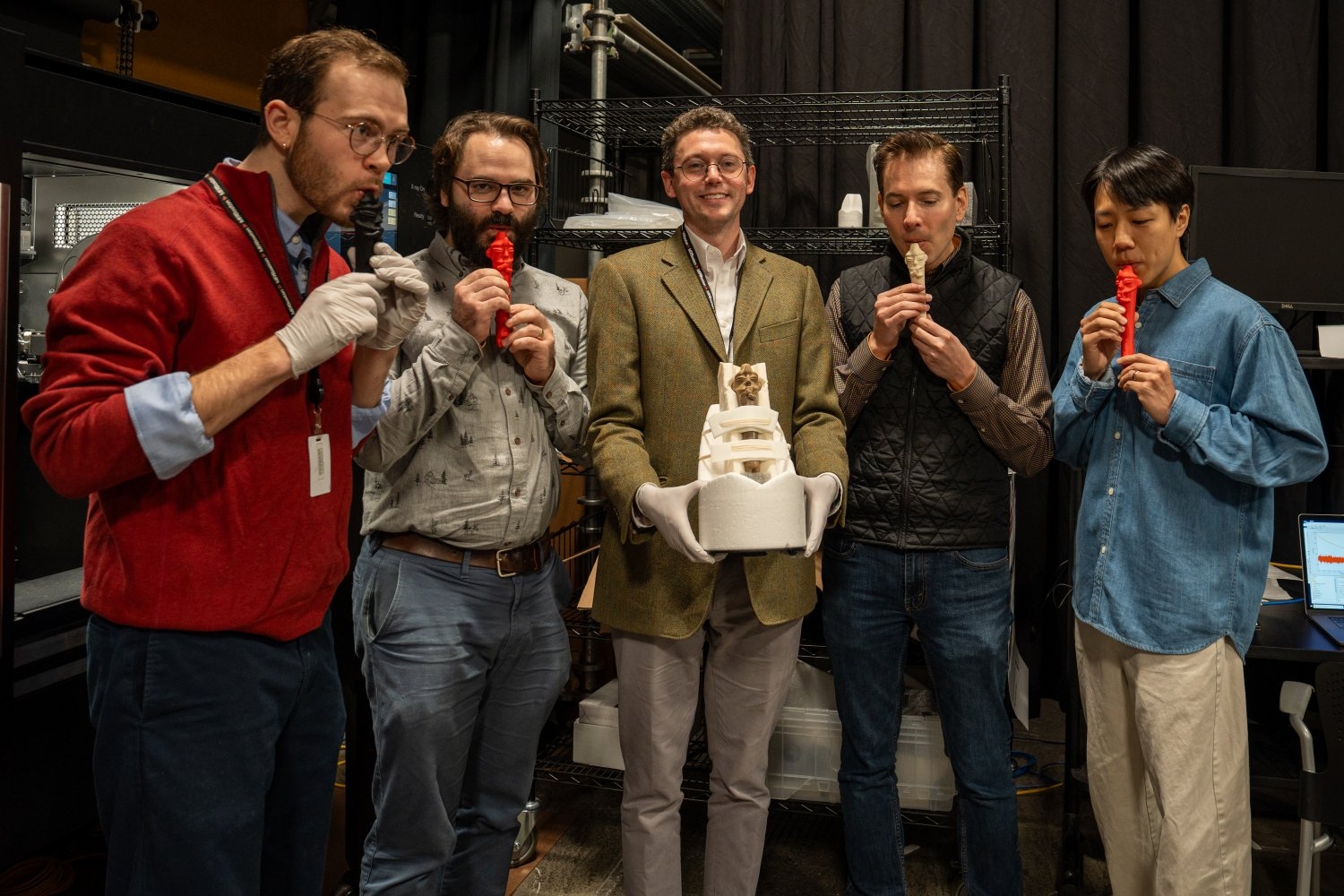 von Michael Brindley | School of Humanities, Arts, and Social Sciences am 5. März 2026 um 22:00
Through an interdisciplinary collaboration between MIT and the Museum of Fine Arts, Boston, researchers are creating playable physical and synthesized replicas.
- New catalog more than doubles the number of gravitational-wave detections made by LIGO, Virgo, and KAGRA observatories
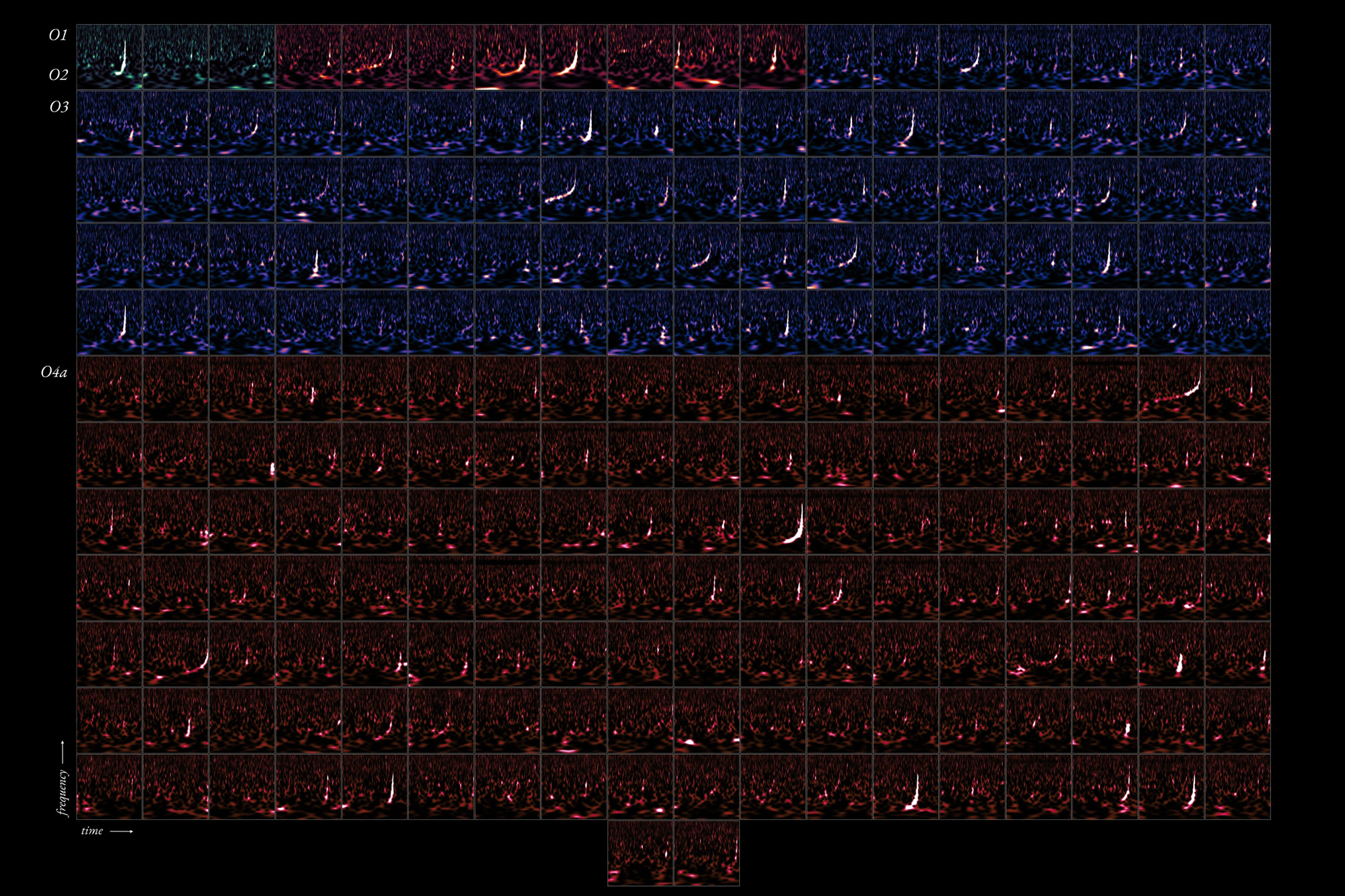 von Jennifer Chu | MIT News am 5. März 2026 um 13:00
The latest crop of space-time wobbles includes a variety of heavy, fast-spinning, and lopsided colliding black holes.
- Nitrous oxide, a product of fertilizer use, may harm some soil bacteria
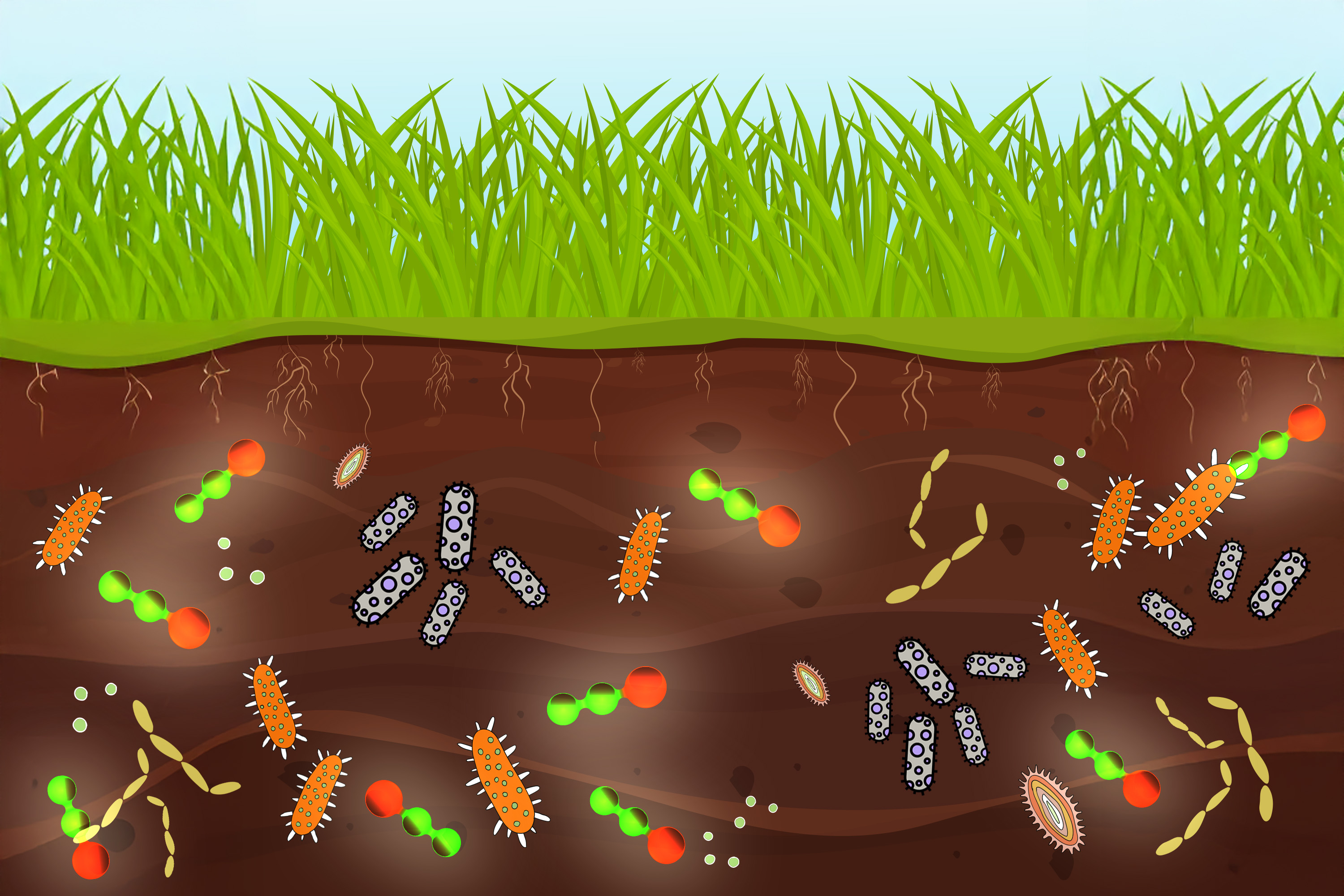 von Zach Winn | MIT News am 4. März 2026 um 14:00
While some N2O is produced naturally at the plant root, agricultural practices can increase its levels, to the detriment of some microbes that support plant growth.
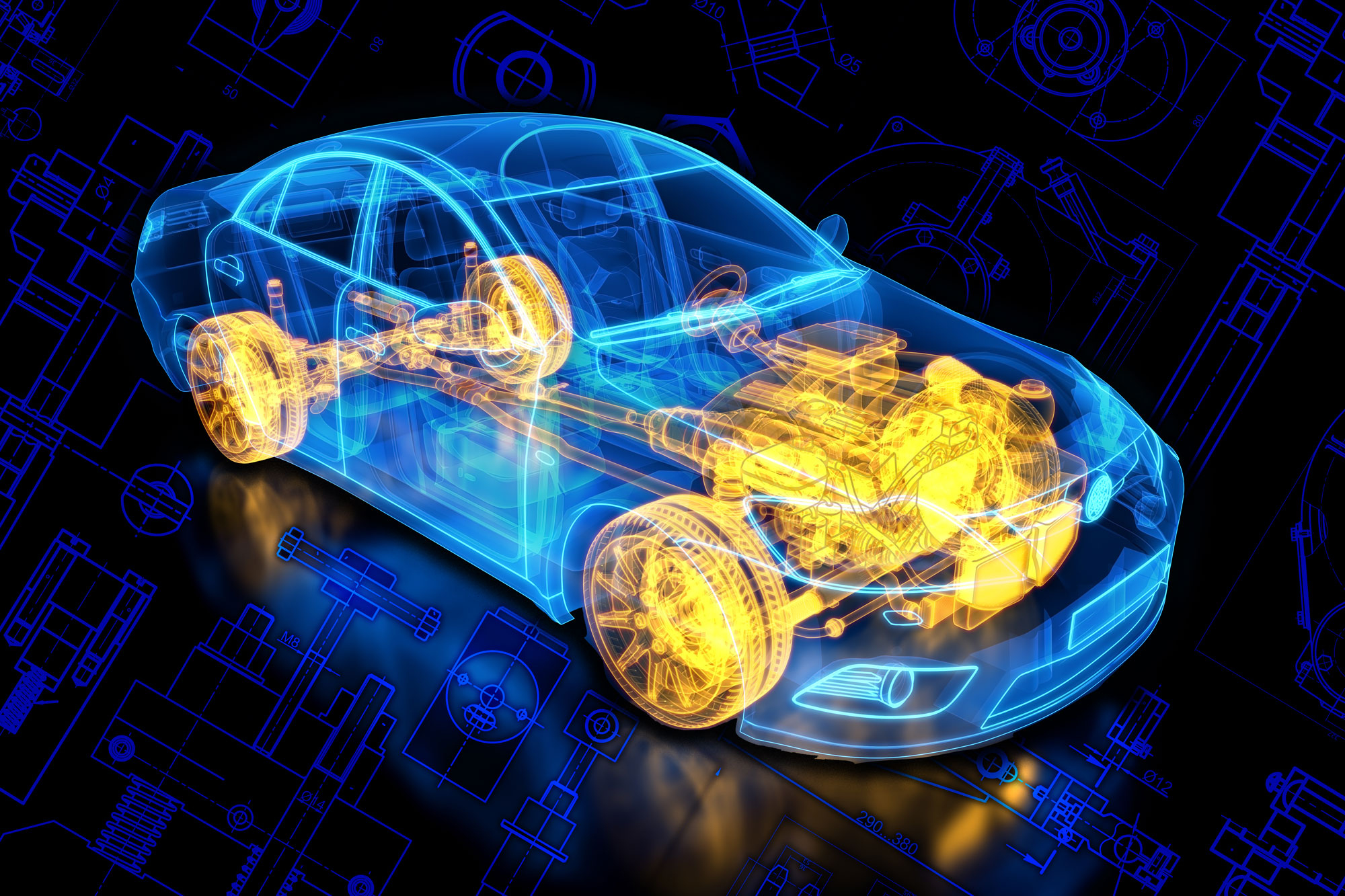
- A “ChatGPT for spreadsheets” helps solve difficult engineering challenges faster
 von Adam Zewe | MIT News am 4. März 2026 um 5:00
The approach could help engineers tackle extremely complex design problems, from power grid optimization to vehicle design.
- How some skills become second nature
 von Jennifer Chu | MIT News am 4. März 2026 um 5:00
Patterns of gaze and attention can reveal how some people unconsciously figure out how to master a task, new research shows.
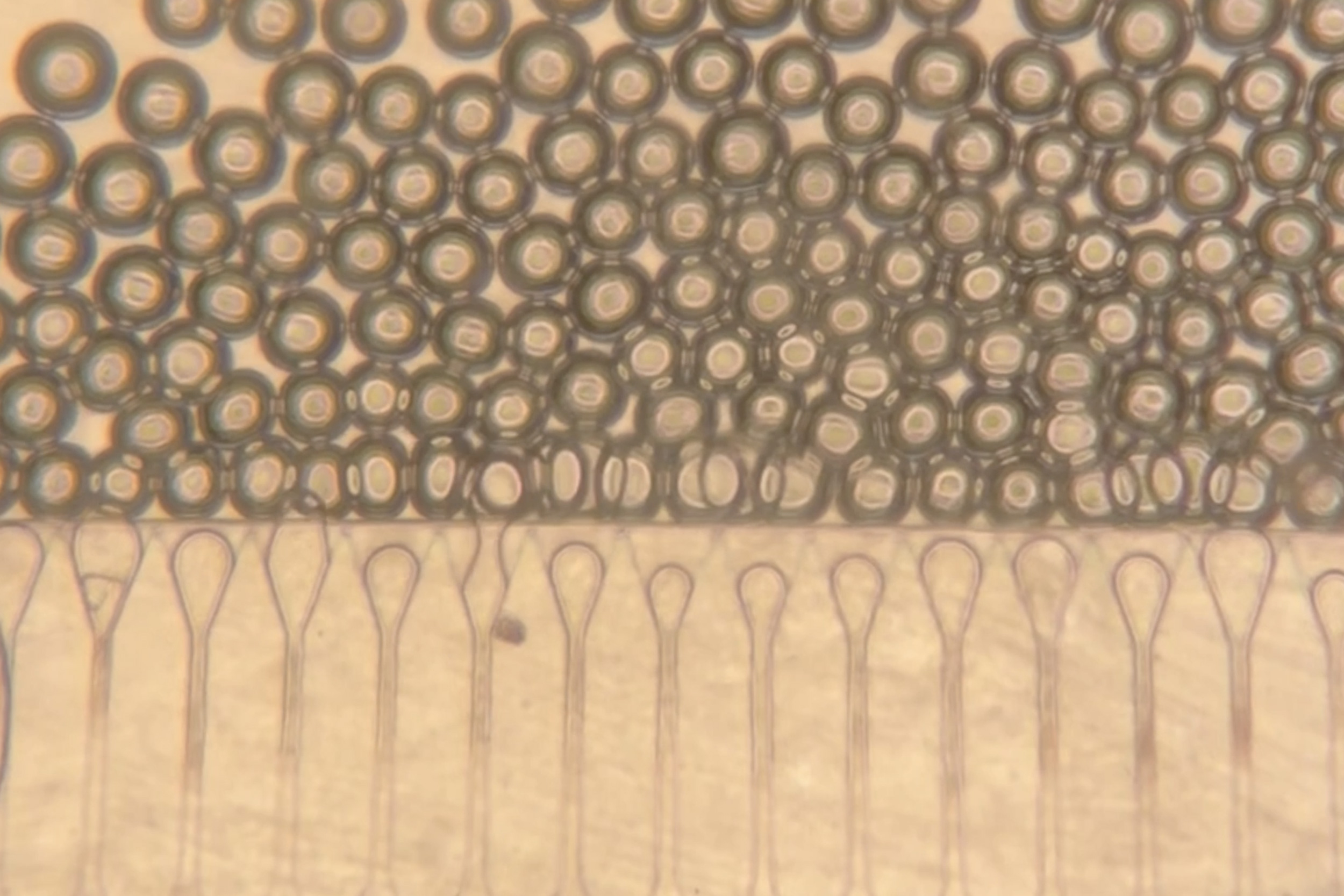
- Injectable “satellite livers” could offer an alternative to liver transplantation
 von Anne Trafton | MIT News am 3. März 2026 um 16:00
The engineered tissue grafts could take on the liver’s function and help thousands of people with liver failure.
- Coping with catastrophe
 von Peter Dizikes | MIT News am 2. März 2026 um 5:00
Japan incorporates more disaster planning into its buildings and public spaces than any other nation. Miho Mazereeuw’s new book explains how they do it.
- New method could increase LLM training efficiency
 von Adam Zewe | MIT News am 26. Februar 2026 um 5:00
By leveraging idle computing time, researchers can double the speed of model training while preserving accuracy.
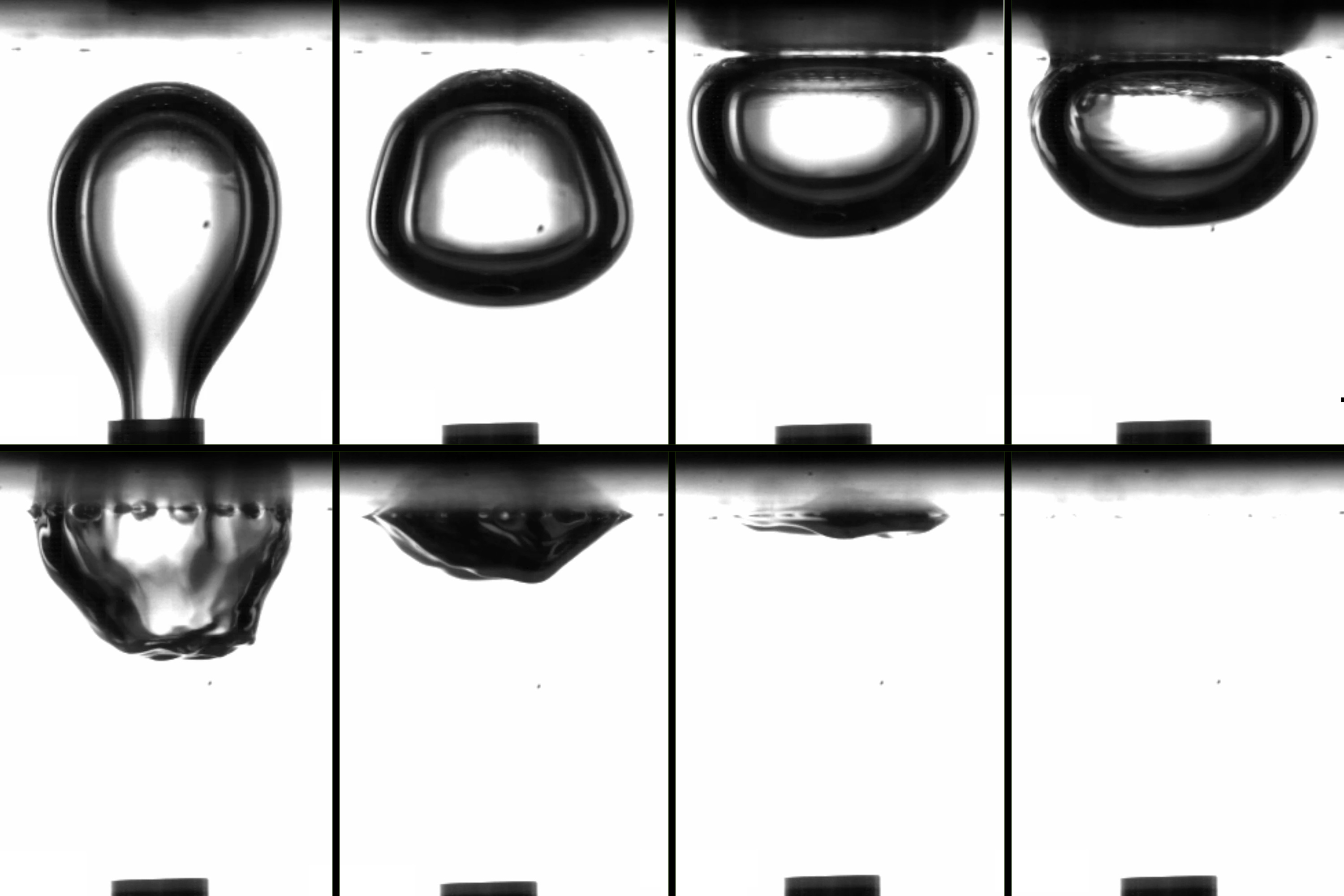
- Tackling industry’s burdensome bubble problem
 von Zach Winn | MIT News am 26. Februar 2026 um 5:00
MIT researchers uncovered the physics behind bubble-removing membranes that could improve bioreactors, chemical production, and more.
- AI to help researchers see the bigger picture in cell biology
 von Adam Zewe | MIT News am 25. Februar 2026 um 10:00
By providing holistic information on a cell, an AI-driven method could help scientists better understand disease mechanisms and plan experiments.
- More trees where they matter, please
 von Peter Dizikes | MIT News am 24. Februar 2026 um 5:00
An international study reveals disparities in urban shade levels, exacerbating the “heat island” effect in big cities.
- Study reveals climatic fingerprints of wildfires and volcanic eruptions
 von Jennifer Chu | MIT News am 23. Februar 2026 um 20:00
In research that could help elucidate humans’ role in global warming, scientists showed how three major natural events impacted global atmospheric temperatures.
- Fragile X study uncovers brain wave biomarker bridging humans and mice
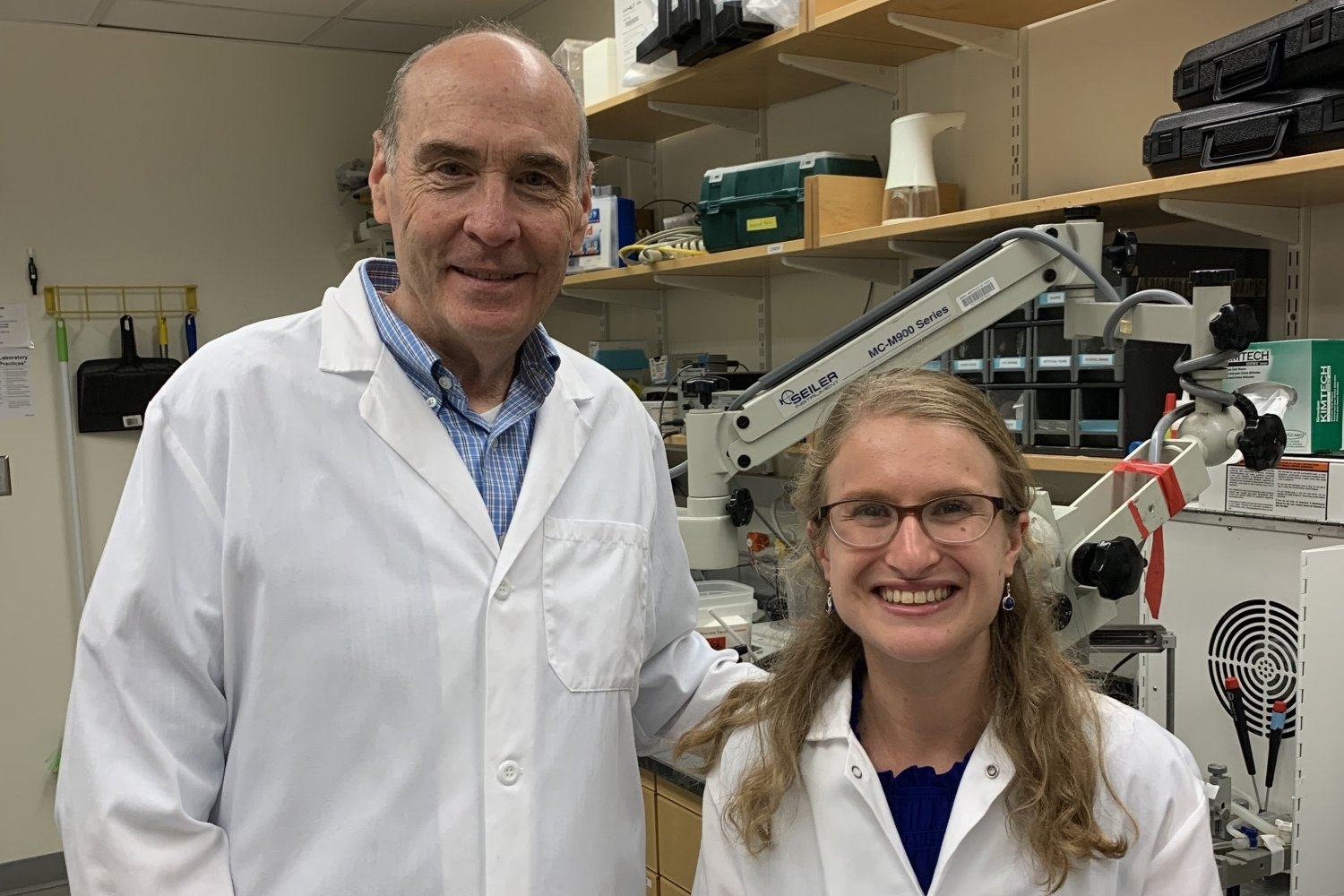 von David Orenstein | The Picower Institute for Learning and Memory am 20. Februar 2026 um 20:35
Researchers find mice modeling the autism spectrum disorder fragile X syndrome exhibit the same pattern of differences in low-frequency waves as humans — a new marker for treatment studies.
- Chip-processing method could assist cryptography schemes to keep data secure
 von Adam Zewe | MIT News am 20. Februar 2026 um 5:00
By enabling two chips to authenticate each other using a shared fingerprint, this technique can improve privacy and energy efficiency.
- Study: AI chatbots provide less-accurate information to vulnerable users
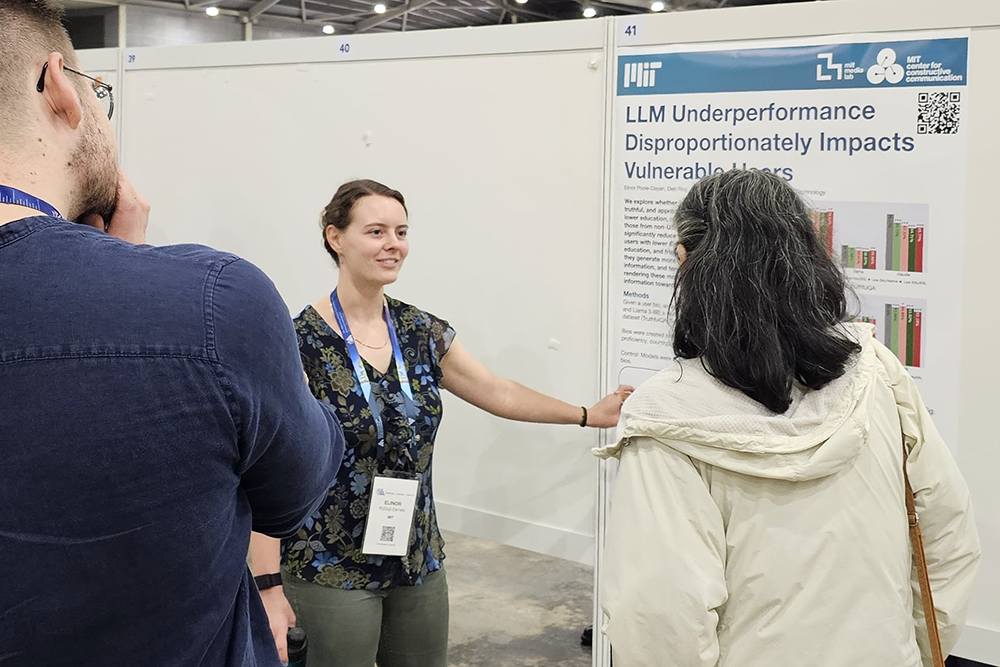 von Center for Constructive Communication am 19. Februar 2026 um 23:25
Research from the MIT Center for Constructive Communication finds leading AI models perform worse for users with lower English proficiency, less formal education, and non-US origins.
- Exposing biases, moods, personalities, and abstract concepts hidden in large language models
 von Jennifer Chu | MIT News am 19. Februar 2026 um 19:00
A new method developed at MIT could root out vulnerabilities and improve LLM safety and performance.
- Parking-aware navigation system could prevent frustration and emissions
 von Adam Zewe | MIT News am 19. Februar 2026 um 5:00
By minimizing the need to drive around looking for a parking spot, this technique can save drivers up to 35 minutes — and give them a realistic estimate of total travel time.
- New study unveils the mechanism behind “boomerang” earthquakes
 von Jennifer Chu | MIT News am 18. Februar 2026 um 5:00
These ricocheting ruptures may be more common than previously thought.
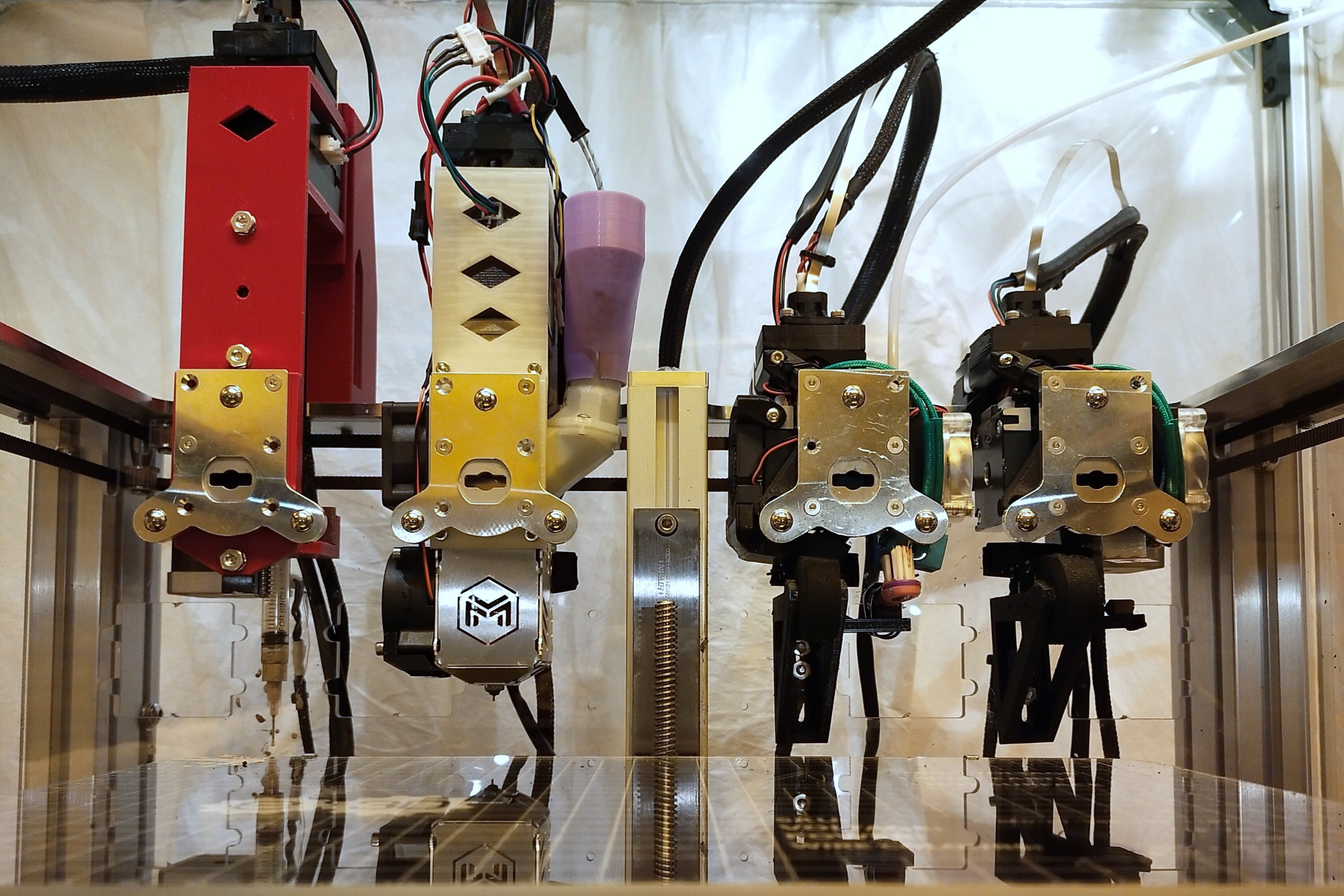
- 3D-printing platform rapidly produces complex electric machines
 von Adam Zewe | MIT News am 18. Februar 2026 um 5:00
Overcoming challenges of 3D printing with multiple functional materials, MIT researchers fabricated an electric linear motor in hours.
- Personalization features can make LLMs more agreeable
 von Adam Zewe | MIT News am 18. Februar 2026 um 5:00
The context of long-term conversations can cause an LLM to begin mirroring the user’s viewpoints, possibly reducing accuracy or creating a virtual echo-chamber.
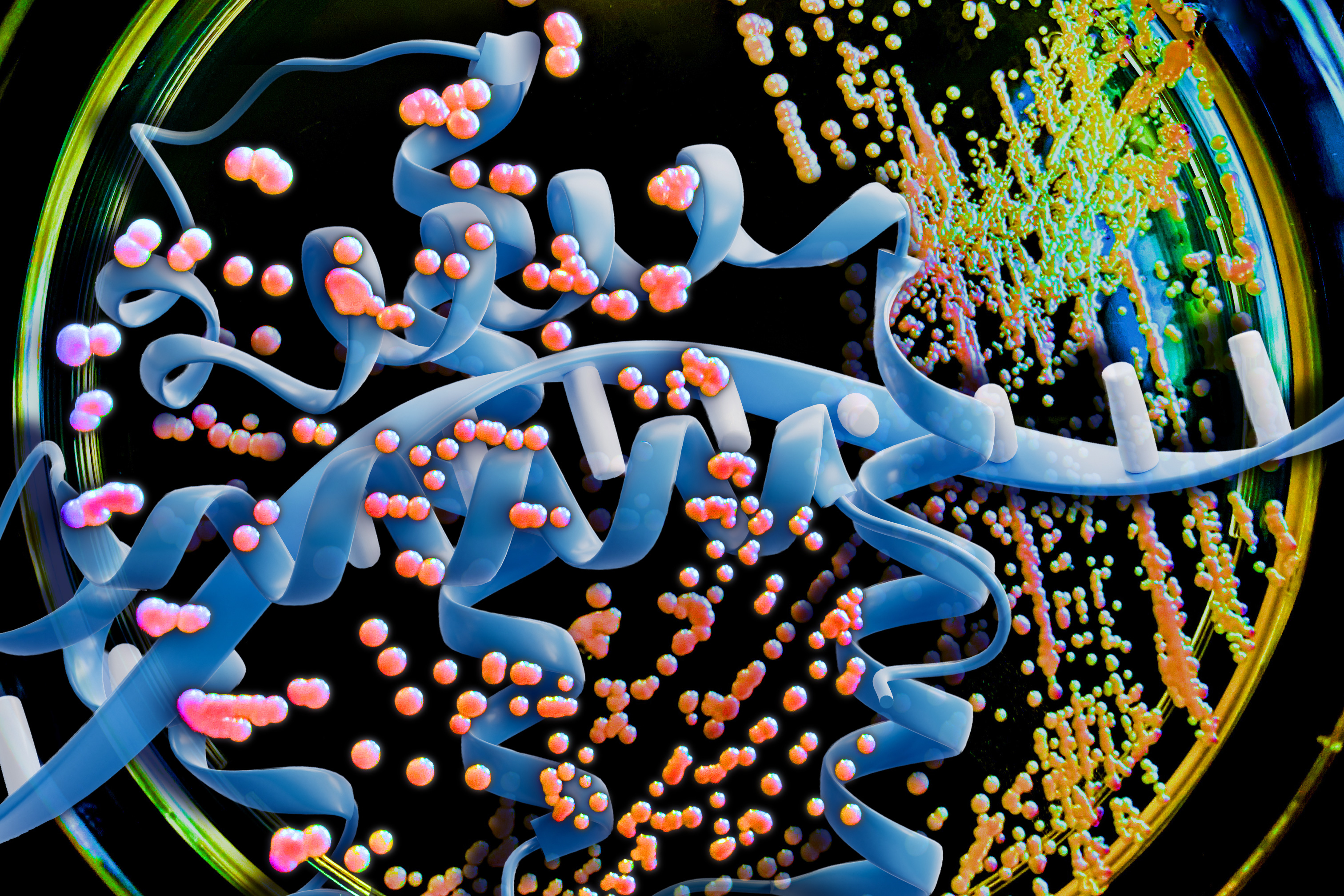
- New AI model could cut the costs of developing protein drugs
 von Anne Trafton | MIT News am 16. Februar 2026 um 20:00
MIT researchers used a large language model to optimize the genetic sequences of proteins manufactured by yeast, making production more efficient.
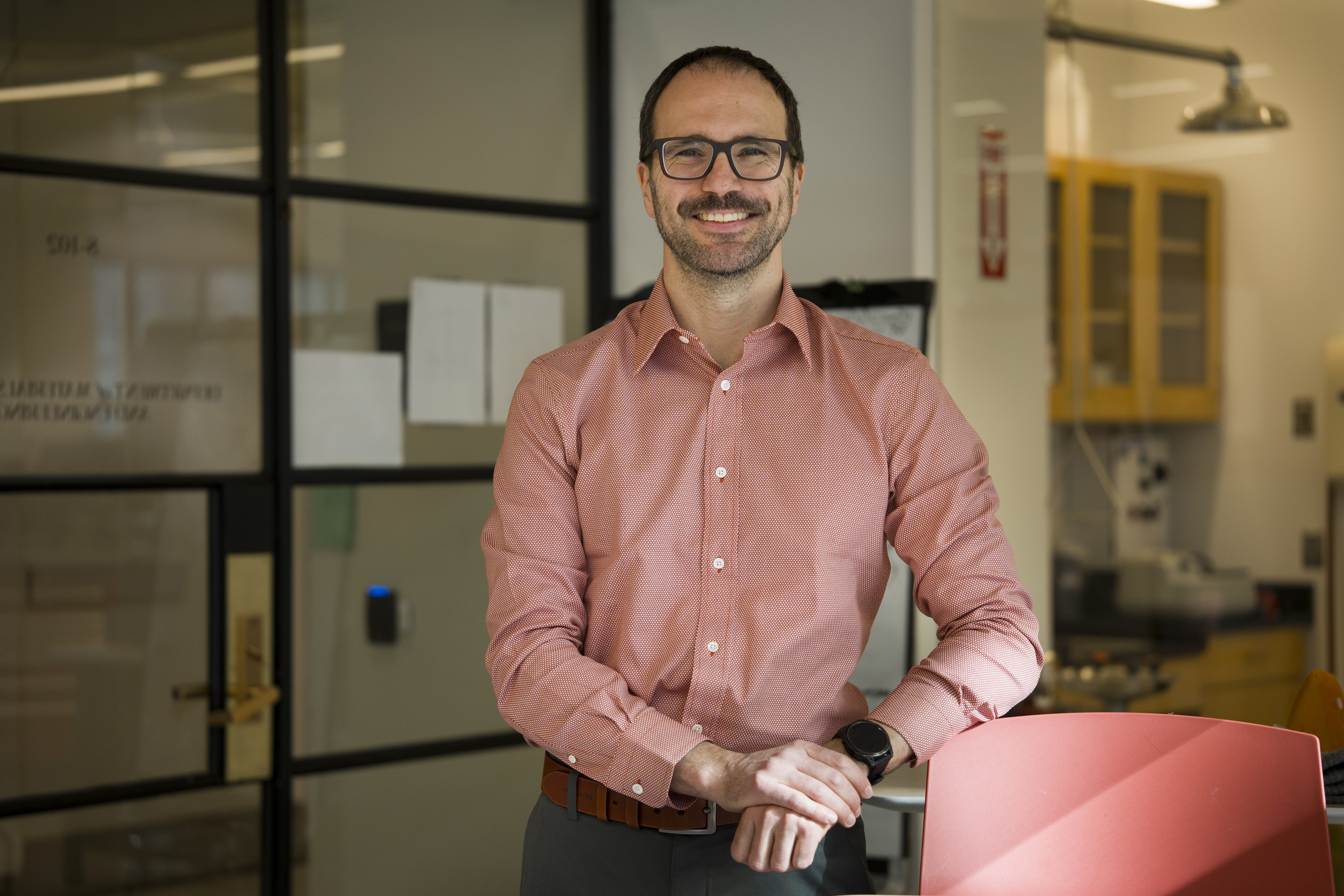
- Accelerating science with AI and simulations
 von Zach Winn | MIT News am 12. Februar 2026 um 5:00
Associate Professor Rafael Gómez-Bombarelli has spent his career applying AI to improve scientific discovery. Now he believes we are at an inflection point.
- 3 Questions: Using AI to help Olympic skaters land a quint
 von Abby Abazorius | MIT News am 10. Februar 2026 um 5:00
MIT Sports Lab researchers are applying AI technologies to help figure skaters improve. They also have thoughts on whether five-rotation jumps are humanly possible.
- A quick stretch switches this polymer’s capacity to transport heat
 von Jennifer Chu | MIT News am 9. Februar 2026 um 18:00
The flexible material could enable on-demand heat dissipation for electronics, fabrics, and buildings.