
Materialkunde und Nanotechnologien am MIT
- MIT’s Kavanaugh Fellowship: From invention to impact
 von Jason Sparapani | Department of Materials Science and Engineering am 22. Oktober 2026 um 20:20
The Kavanaugh Translational Fellows Program helps scholars turn promising research into successful businesses.
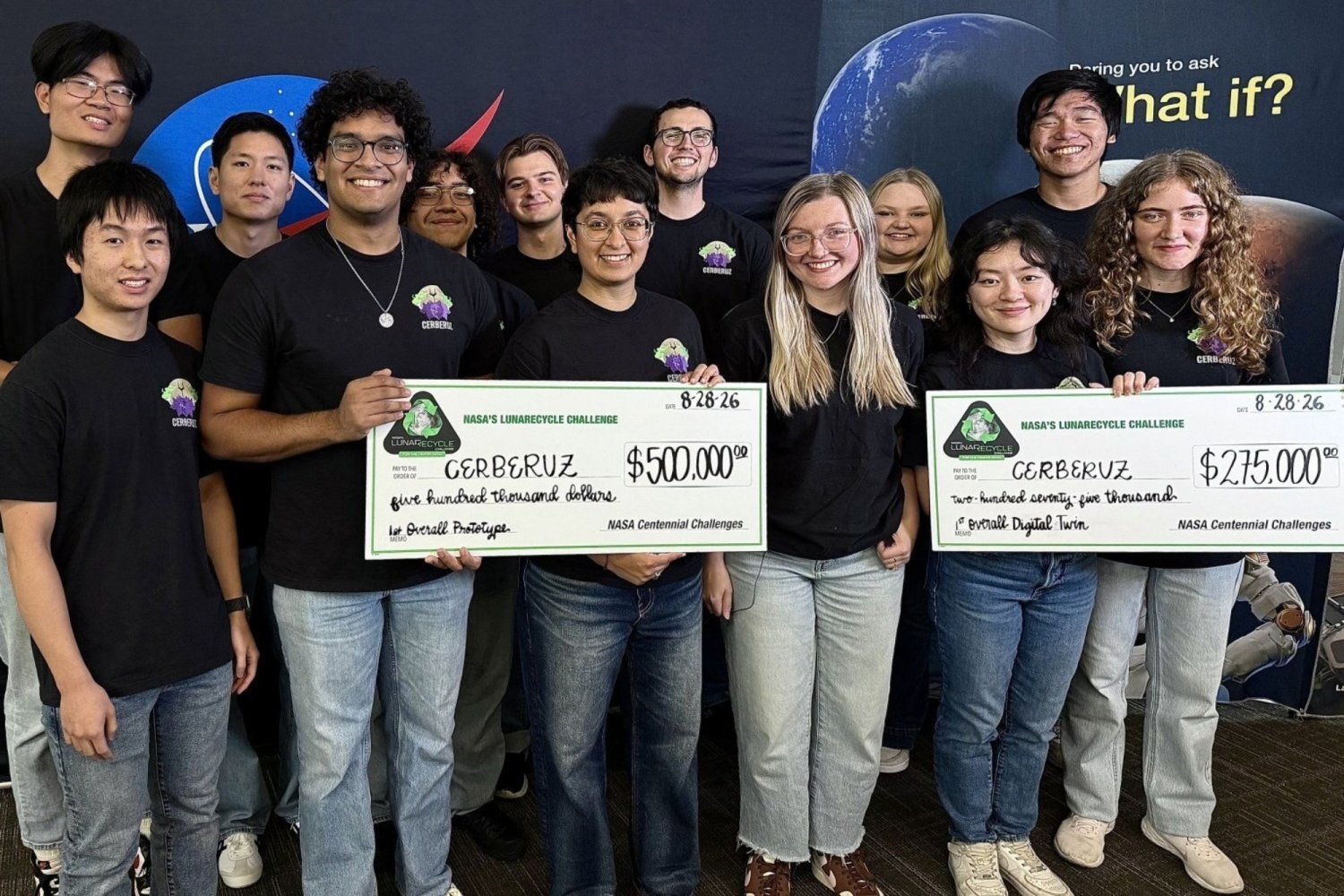
- MIT student team CERBERUZ wins NASA LunaRecycle Centennial Challenge, turning lunar trash into tools
 von Rachel Ornitz | Department of Aeronautics and Astronautics am 20. Oktober 2026 um 21:30
The team took first prize in both the Prototype and Digital Twin tracks for its lunar waste recycling system.
- Giving AI a “crystal clear” view of the materials world
 von Zach Winn | MIT News am 18. Oktober 2026 um 4:00
New research can help AI models understand crystalline materials in 3D and reason about their properties.
- MIT remembers Thomas Rose, a brilliant researcher and generous colleague
 von Jason Sparapani | Department of Materials Science and Engineering am 14. Oktober 2026 um 18:30
Faculty, students, staff, family, and friends gathered to remember the assistant professor and archaeometallurgist who died last month.
- Reprogrammed NK immune cells target cancer and autoimmune disorders
 von Anne Trafton | MIT News am 13. Oktober 2026 um 9:00
A new approach can program these cells inside the body and shows promise against diseases caused by dysfunctional T cells, including lymphoma and autoimmune hepatitis.
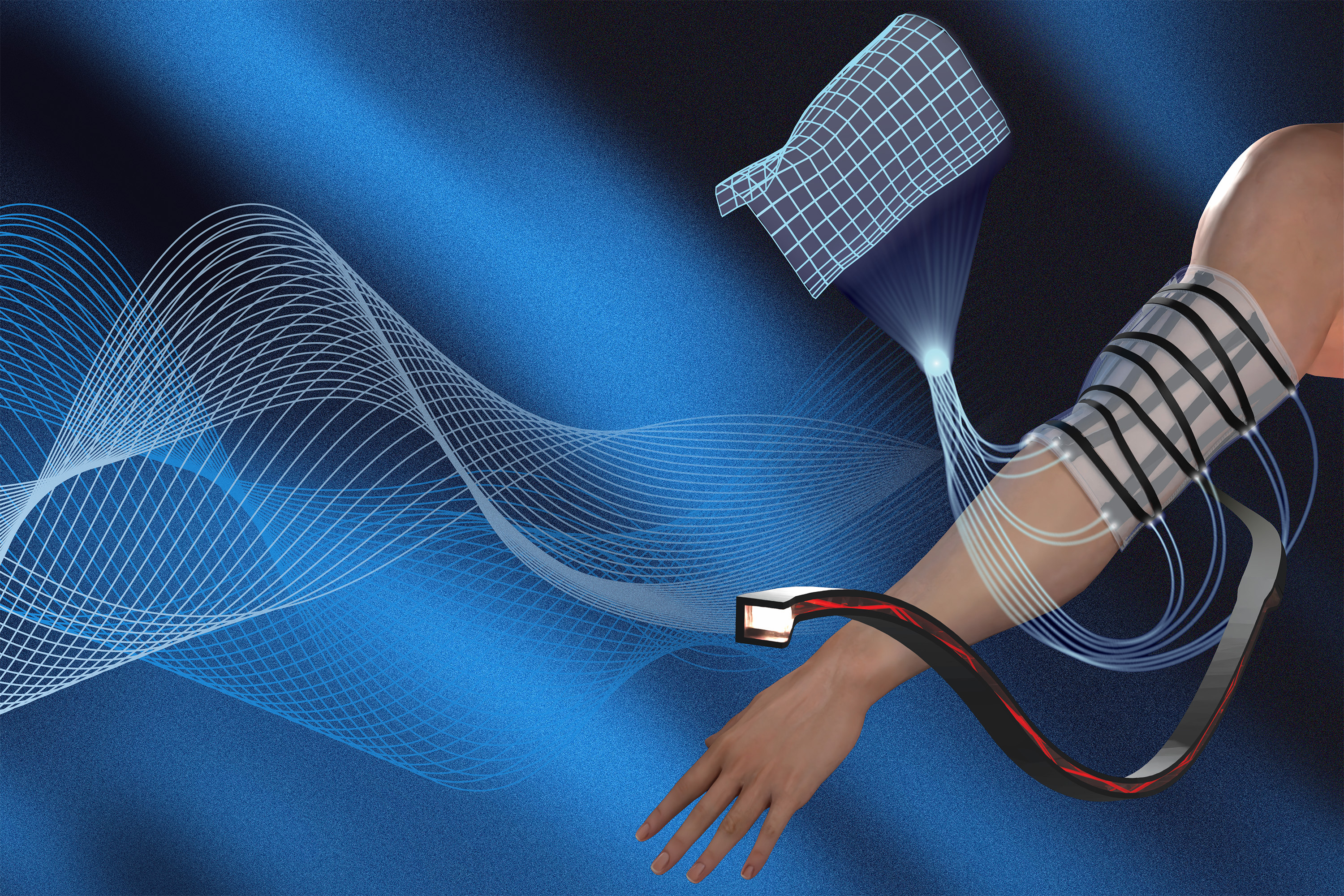
- Shape-sensing sheet digitally tracks its movement as it bends and twists
 von Jennifer Chu | MIT News am 8. Oktober 2026 um 18:00
Developed by MIT engineers, this flexible material could be used as a wearable, motion-monitoring “skin” in physical therapy, virtual reality, and gaming.
- A new technique could accelerate the development of RNA therapies
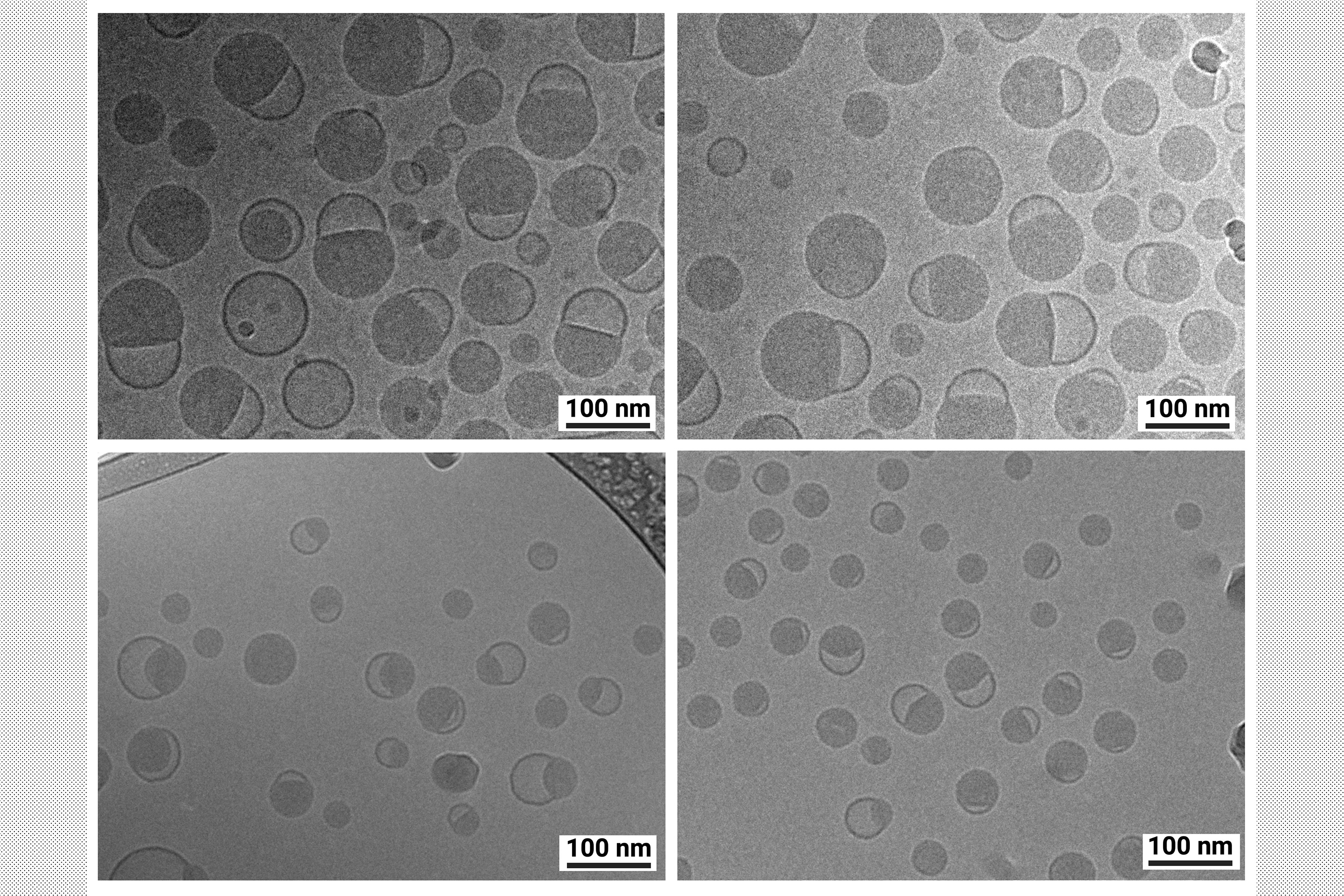 von Anne Trafton | MIT News am 25. September 2026 um 17:25
MIT chemical engineers found a way to rapidly produce lipid nanoparticles of varying sizes, which could make it easier to develop new vaccines and therapeutics.
- New cell-collection device could improve early cancer detection
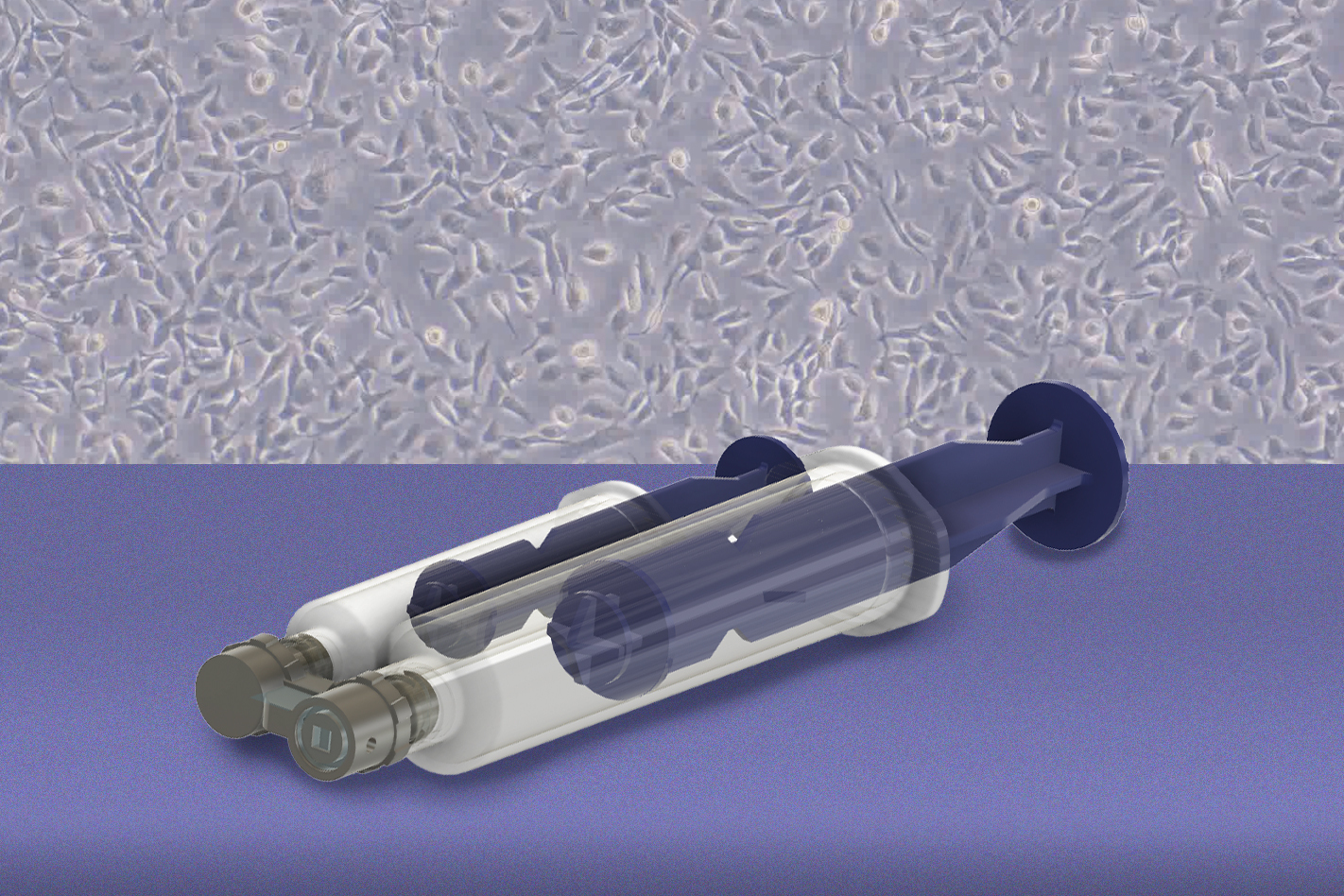 von Zach Winn | MIT News am 24. September 2026 um 15:00
MIT researchers developed a handheld system that gently collects living cells from patient samples to aid cancer testing and development of personalized medicines.
- MIT School of Engineering faculty and staff receive awards in spring 2026
 von Jordan Silva | School of Engineering am 17. September 2026 um 20:20
Faculty members and researchers were honored in recognition of their scholarship, service, and overall excellence.
- Nanoscale mechanics could enable brain-inspired computing
 von Adam Zewe | MIT News am 16. September 2026 um 18:00
A new device uses reconfigurable motion to mimic the firing behavior of a neuron, which could lead to more efficient computing.
- Nanoscale mechanics could enable brain-inspired computingvon Adam Zewe | MIT News am 16. September 2026 um 18:00
A new device uses reconfigurable motion to mimic the firing behavior of a neuron, which could lead to more efficient computing.
- MIT spinout turns plastic waste into resilient building materials
 von Zach Winn | MIT News am 14. September 2026 um 4:00
Atlas Building Composites is commercializing MIT research to turn plastic waste into parts for buildings and other infrastructure.
- Injectable nanodevices could provide effective treatment for drug-resistant glioblastoma
 von Michaela Jarvis | Media Lab am 9. September 2026 um 20:00
MIT researchers show implanted nanoantennas can be activated wirelessly to kill brain cancer cells without damage to healthy tissue.
- Assistant Professor Thomas Rose, an expert in archaeometallurgy, dies at 37
 von Zach Winn | MIT News am 3. September 2026 um 17:00
Colleagues remember Rose as an enthusiastic and gracious friend who had recently started a promising research track at MIT.
- Fabrication platform could enable flexible, transparent next-generation photonic chips
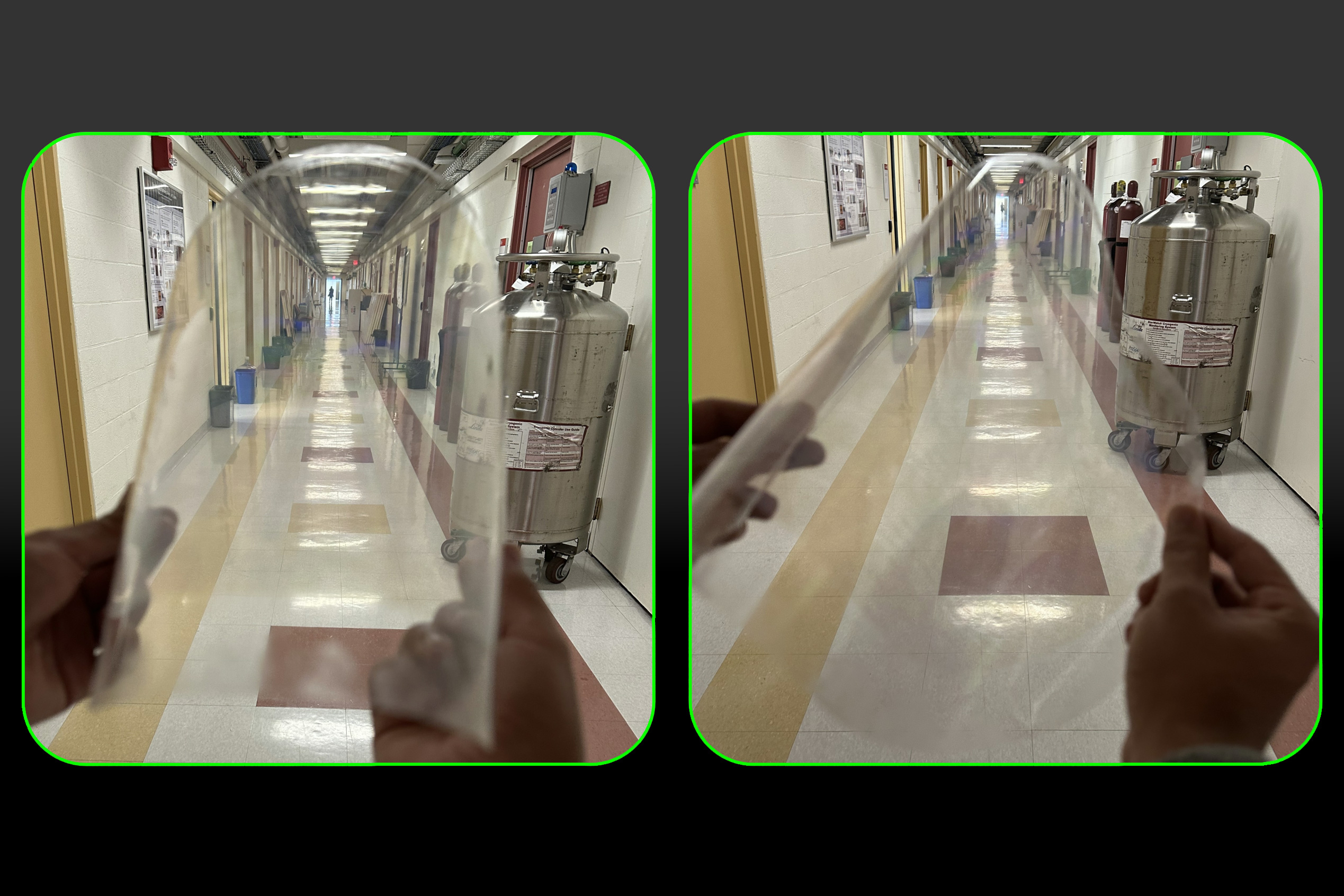 von Adam Zewe | MIT News am 3. September 2026 um 15:45
This scalable process produces high-performance chips for applications like discreet wearables or pliable augmented-reality displays.
- Building foundations that last
 von Leila Hudson | Office of Graduate Education am 2. September 2026 um 20:35
Assistant Professor Iwnetim Abate creates space for ambitious research and sustainable growth for his graduate students.
- MIT Quantum Initiative launches postdoctoral fellowship program
 von Liam McDonnell | Office of Innovation and Strategy am 31. August 2026 um 19:30
The Institute welcomes its first cohort of QMIT Fellows this fall to advance interdisciplinary quantum research.
- MIT engineers create a system for building shape-changing smart devices
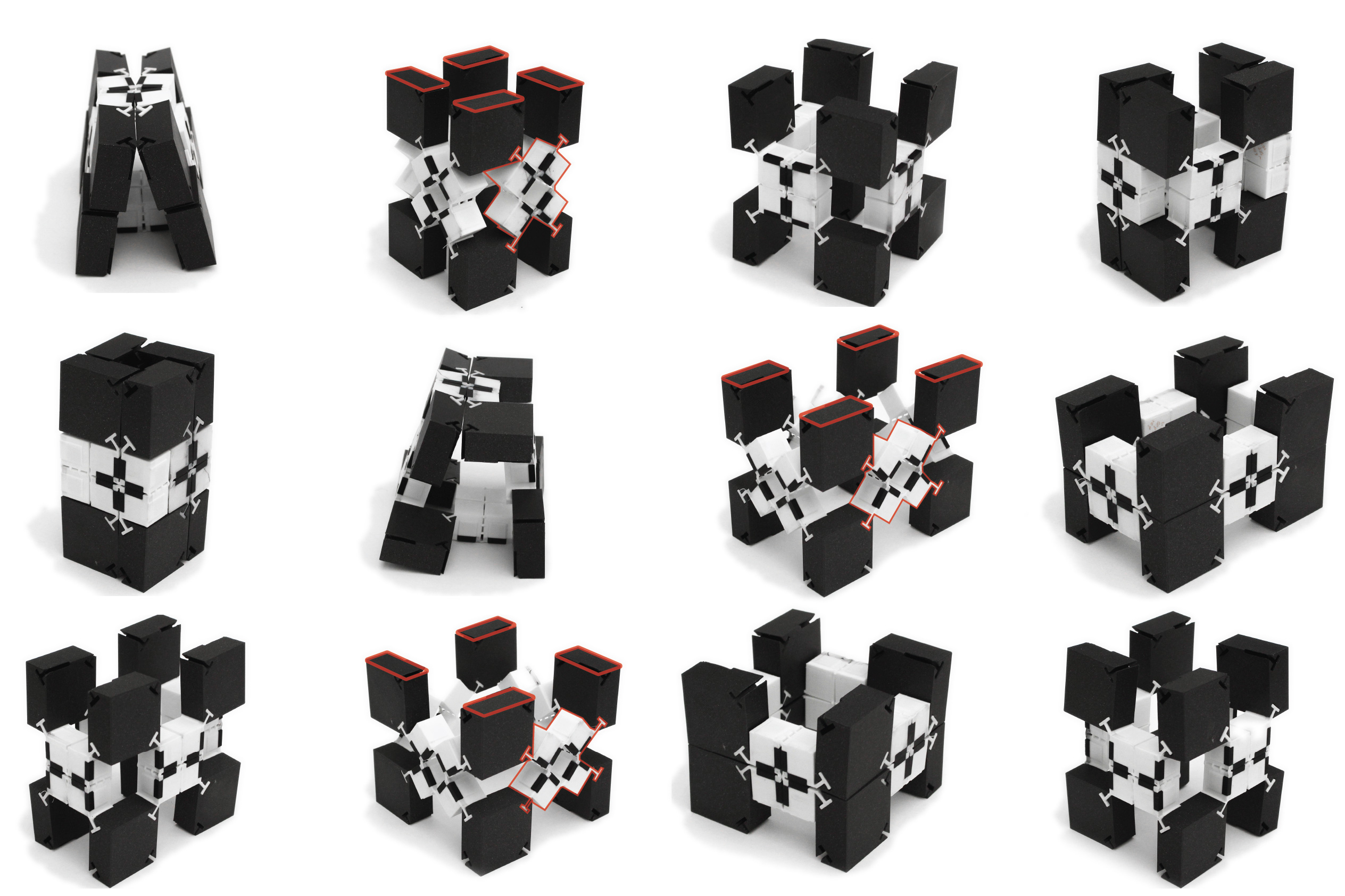 von Adam Zewe | MIT News am 27. August 2026 um 4:00
Dubbed “bifur-circuits,” these interactive building blocks could be used to develop reconfigurable robotic grippers or customized assistive devices.
- AI helps design new materials that work in the real world
 von Zach Winn | MIT News am 26. August 2026 um 9:00
The “CrysVCD” tool developed at MIT could cut the huge amounts of time and money spent on screening out chemically unstable designs.
- Paving the way for greener ammonia production
 von David L. Chandler | Department of Materials Science and Engineering am 20. August 2026 um 18:45
New MIT research could lead to better materials for a fossil-fuel-free process for making the chemical that's essential to fertilizer and other products.
- Startup brings ancient Roman concrete technology to modern construction
 von Zach Winn | MIT News am 19. August 2026 um 4:00
Dmat is commercializing findings from the lab of Associate Professor Admir Masic to make concrete longer-lasting and more sustainable.
- Q&A: Rethinking how innovation happens
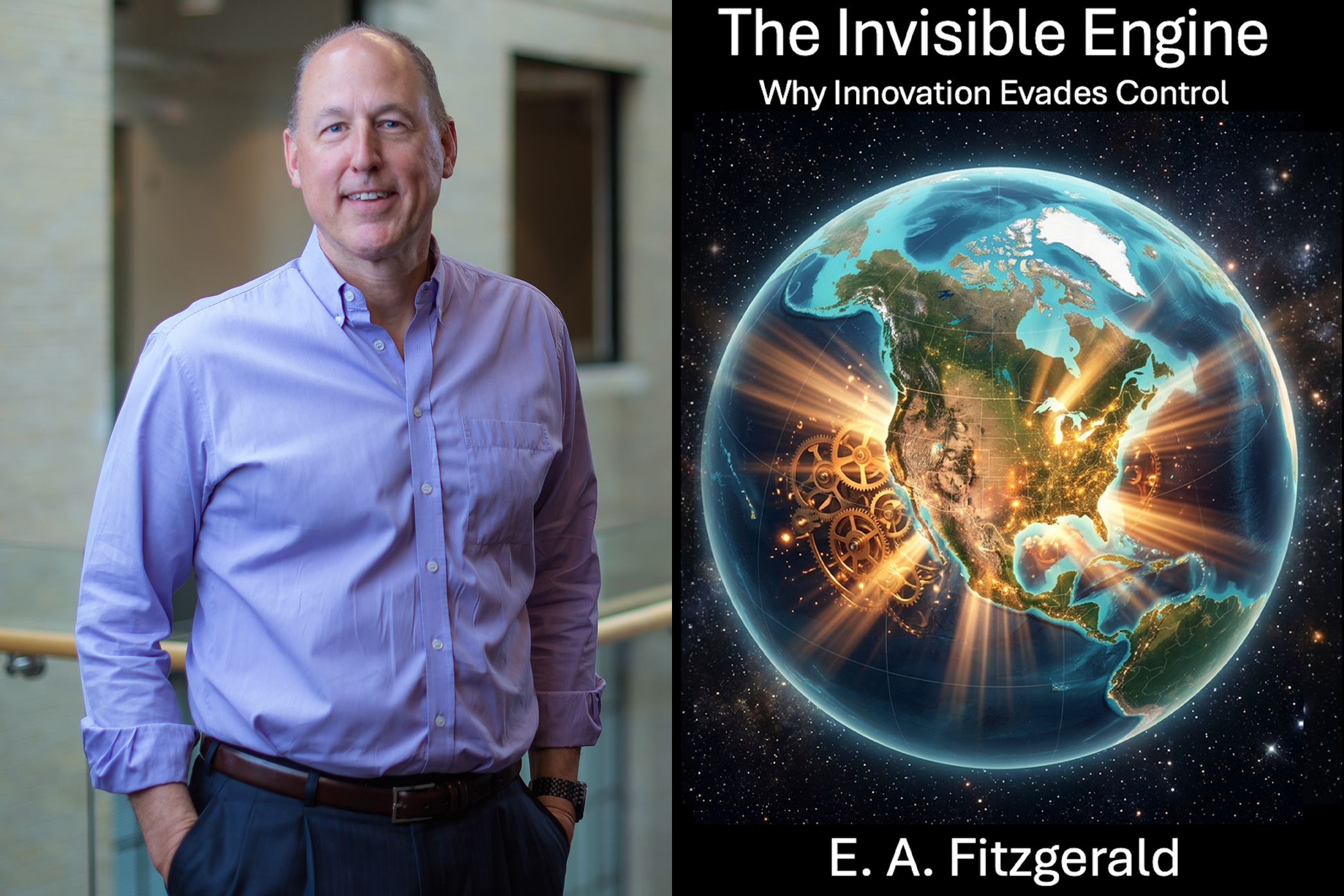 von Jason Sparapani | Department of Materials Science and Engineering am 17. August 2026 um 19:50
In his latest book, Professor Eugene Fitzgerald examines the forces that turn breakthroughs into value — and why innovation resists simple formulas.
- Mathematical framework connects biological principles to manufacturable, adaptive materials
 von Adam Zewe | MIT News am 17. August 2026 um 18:30
The new framework could streamline the design process of robotic grippers or aerospace components that exhibit complex behaviors found in nature.
- Drug that targets an inflammatory enzyme could help prevent lung cancer
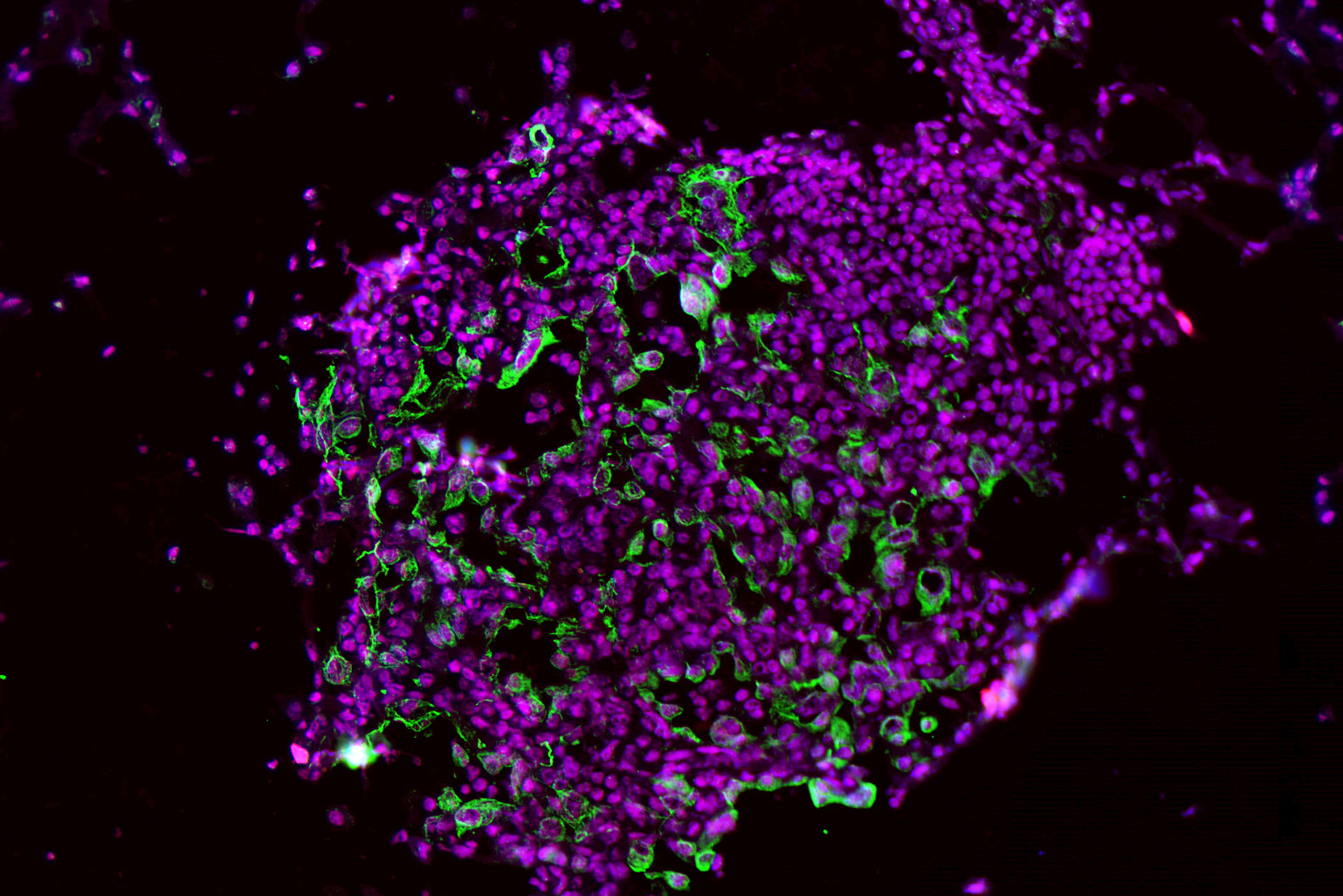 von Anne Trafton | MIT News am 14. August 2026 um 18:00
A new study by MIT researchers shows that inhibiting caspase-1 can reduce the risk of tumor growth.
- MIT selected to lead new NSF materials research center
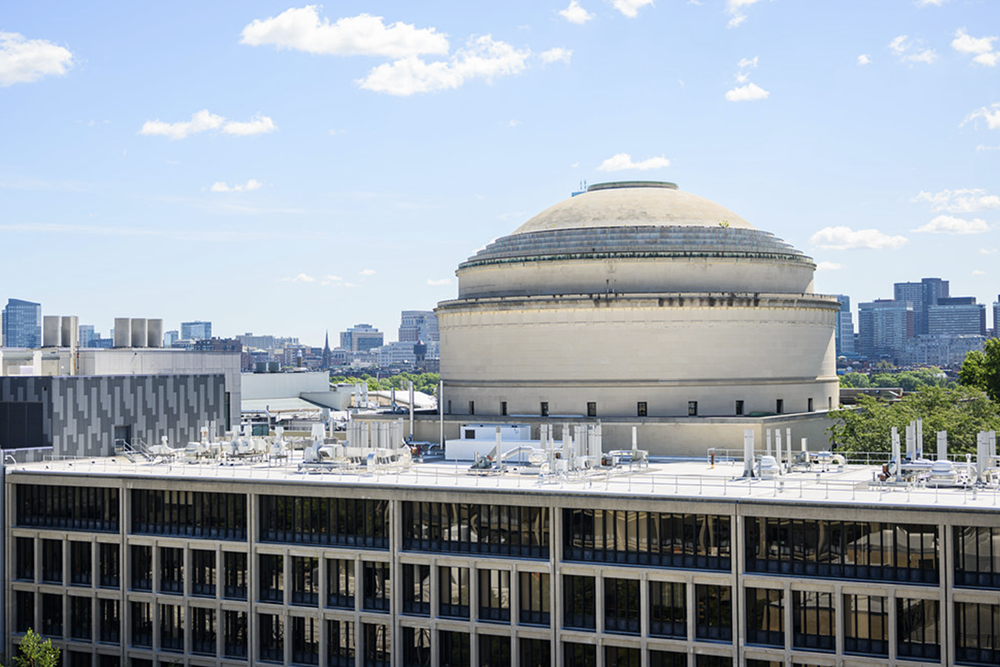 von Jason Sparapani | Department of Materials Science and Engineering am 12. August 2026 um 20:15
The Materials Research Science and Engineering Center unites researchers across disciplines to develop technologies for medical imaging, sustainable metals production, and next-generation electronics.
- MIT selected to lead new NSF materials research centervon Jason Sparapani | Department of Materials Science and Engineering am 12. August 2026 um 20:15
The Materials Research Science and Engineering Center unites researchers across disciplines to develop technologies for medical imaging, sustainable metals production, and next-generation electronics.
- Physicists watch a material’s electrons assemble, and reassemble, into coexisting phases
 von Jennifer Chu | MIT News am 7. August 2026 um 9:00
The study could help scientists understand how superconductivity and other more complex phenomena emerge in quantum materials.
- A new way to watch heat move through electronics
 von Zach Winn | MIT News am 6. August 2026 um 4:00
MIT researchers can now precisely measure how heat moves through multilayered materials like computer chips.
- A new way to watch heat move through electronicsvon Zach Winn | MIT News am 6. August 2026 um 4:00
MIT researchers can now precisely measure how heat moves through multilayered materials like computer chips.
- Researchers make air-stable, ultrathin superconductors, for more scalable quantum devices
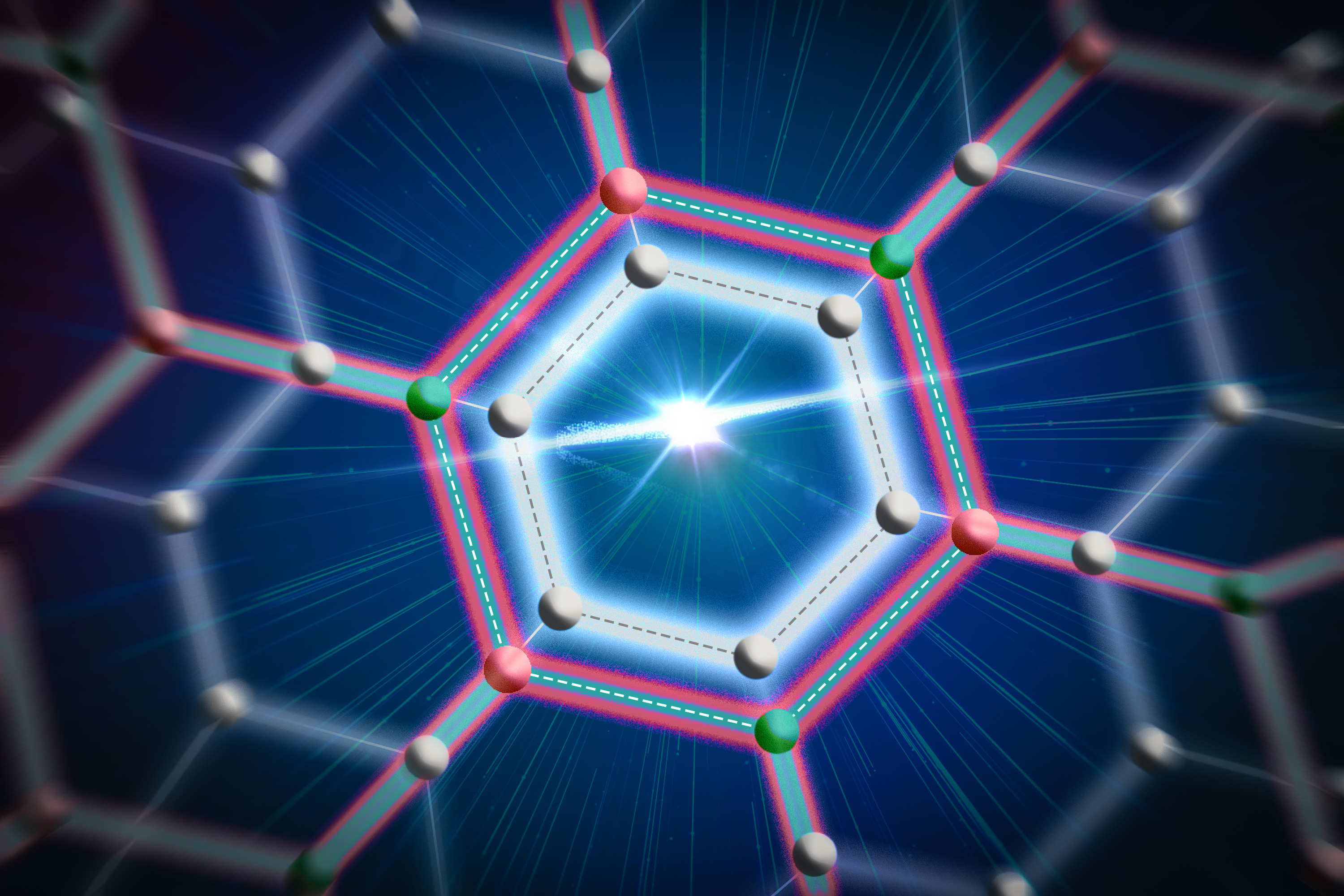 von Adam Zewe | MIT News am 5. August 2026 um 15:00
A new technique produces wafer-scale samples, overcoming a major roadblock to using these materials in quantum technologies.
- Researchers make air-stable, ultrathin superconductors, for more scalable quantum devicesvon Adam Zewe | MIT News am 5. August 2026 um 15:00
A new technique produces wafer-scale samples, overcoming a major roadblock to using these materials in quantum technologies.
- Solving the solvent problem
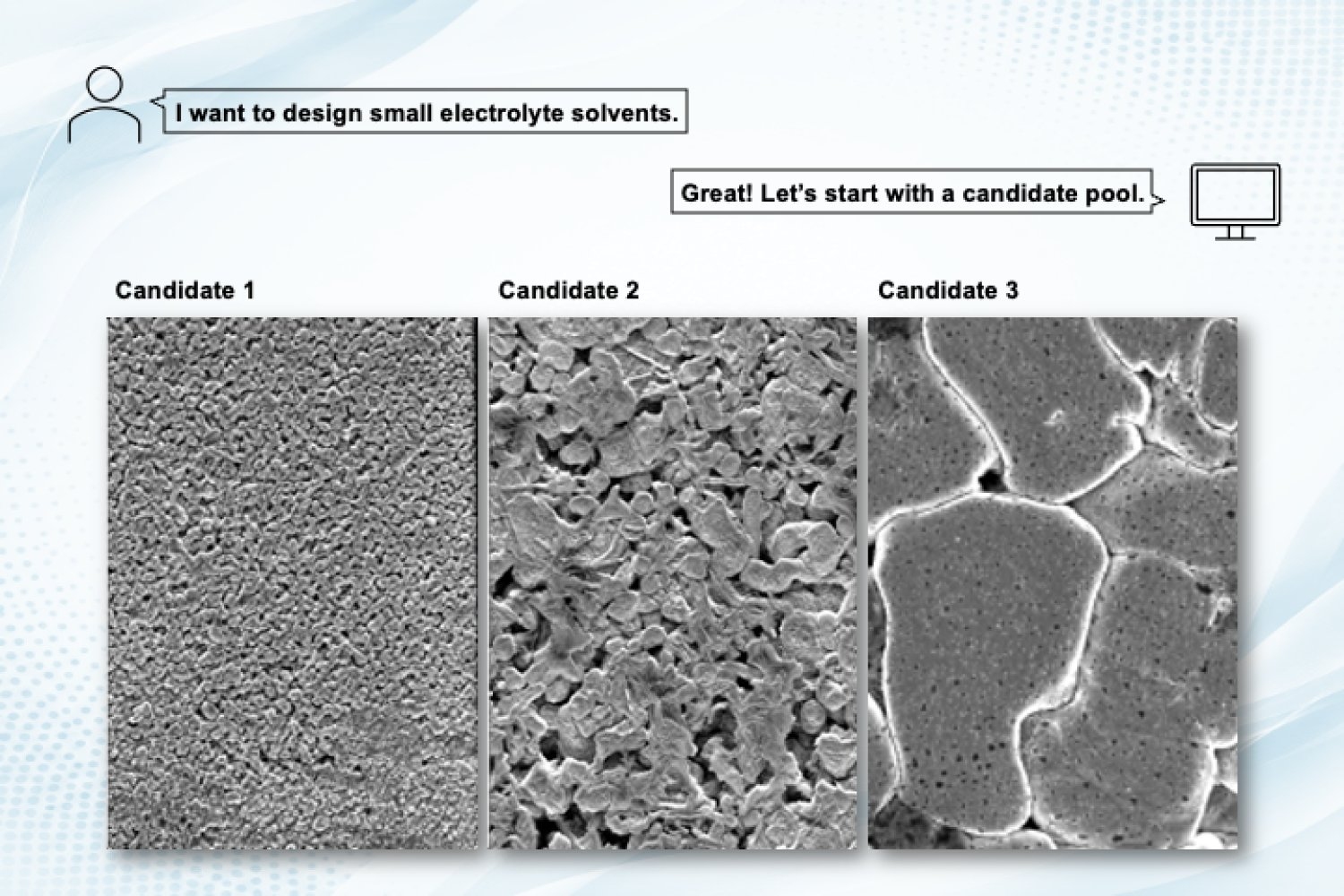 von Steve Nadis | Department of Nuclear Science and Engineering am 4. August 2026 um 18:50
By focusing on electrolytes, MIT scientists are making sodium-metal batteries a more practical energy storage option.
- Solving the solvent problemvon Steve Nadis | Department of Nuclear Science and Engineering am 4. August 2026 um 18:50
By focusing on electrolytes, MIT scientists are making sodium-metal batteries a more practical energy storage option.
- Connecting students with the future of microelectronics
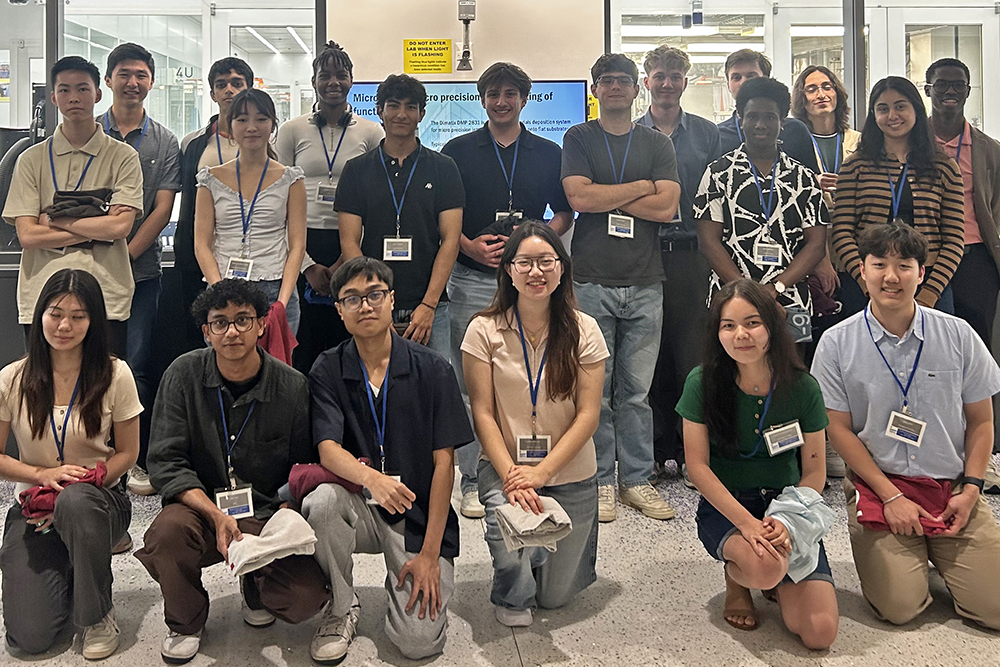 von Microsystems Technology Laboratories am 3. August 2026 um 17:30
The 2026 NEMC Hub-sponsored externship gave students access to world-class research, advanced semiconductor manufacturing, and professionals driving innovation across the Northeast.
- Connecting students with the future of microelectronicsvon Microsystems Technology Laboratories am 3. August 2026 um 17:30
The 2026 NEMC Hub-sponsored externship gave students access to world-class research, advanced semiconductor manufacturing, and professionals driving innovation across the Northeast.
- Turning molecules into reliable electronic devices
 von Adam Zewe | MIT News am 3. August 2026 um 9:00
A new fabrication platform integrates molecules into electronic devices, opening the door to emerging computing technologies.
- Turning molecules into reliable electronic devicesvon Adam Zewe | MIT News am 3. August 2026 um 9:00
A new fabrication platform integrates molecules into electronic devices, opening the door to emerging computing technologies.
- Building energy security through more sustainable batteries
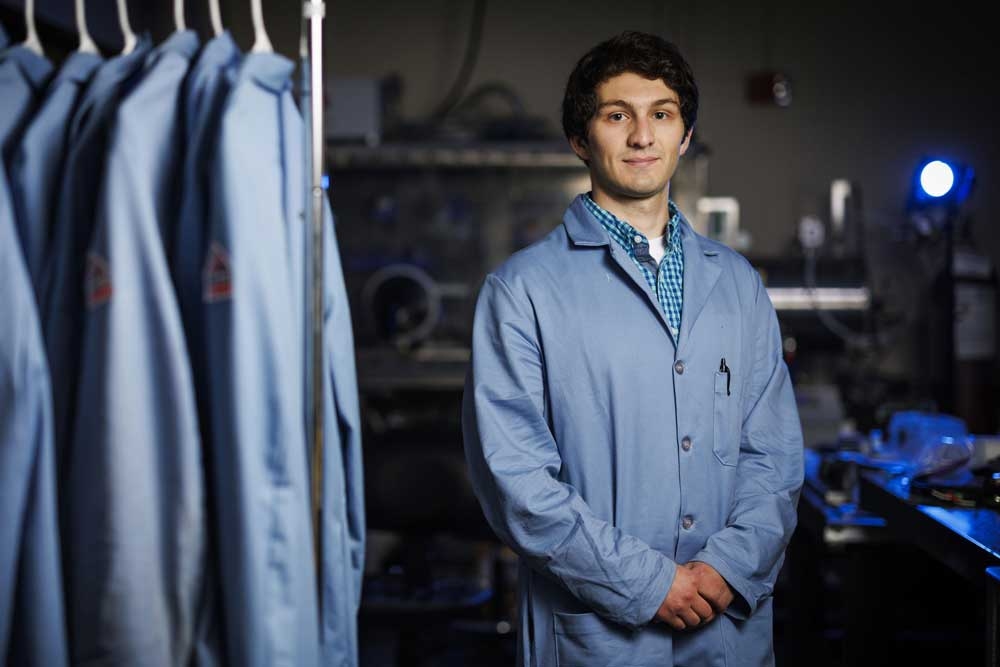 von Gitana Savage | MIT News correspondent am 31. Juli 2026 um 4:00
PhD student Hugh Smith works to develop sodium-ion batteries, whose components are more abundant and accessible than those of conventional lithium-ion technology.
- MIT and Broad Institute researchers break diffraction barrier in super-resolution microscopy
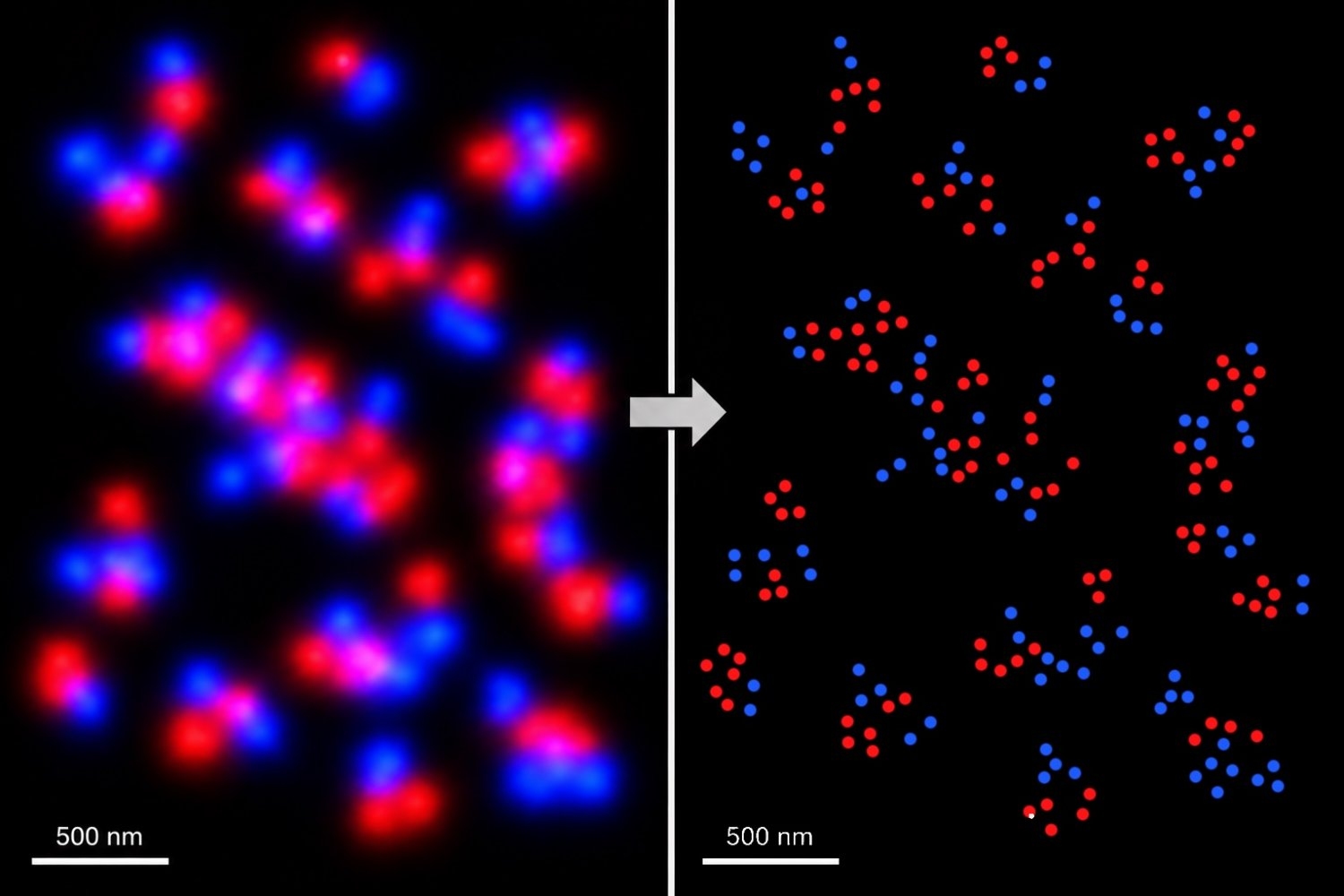 von Danielle Randall Doughty | Department of Chemistry am 29. Juli 2026 um 17:00
New U-STORM imaging technology lets scientists view molecular structures in subatomic detail — about 1,000 times clearer than traditional dyes — while making the microscope process much simpler.
- MIT engineers design recyclable elastic yarn
 von Jennifer Chu | MIT News am 27. Juli 2026 um 14:00
Melt it, spin it, use it again. This new recyclable yarn is as strong and stretchy as spandex-based yarns.
- Diana Grass: Listening to the body’s language
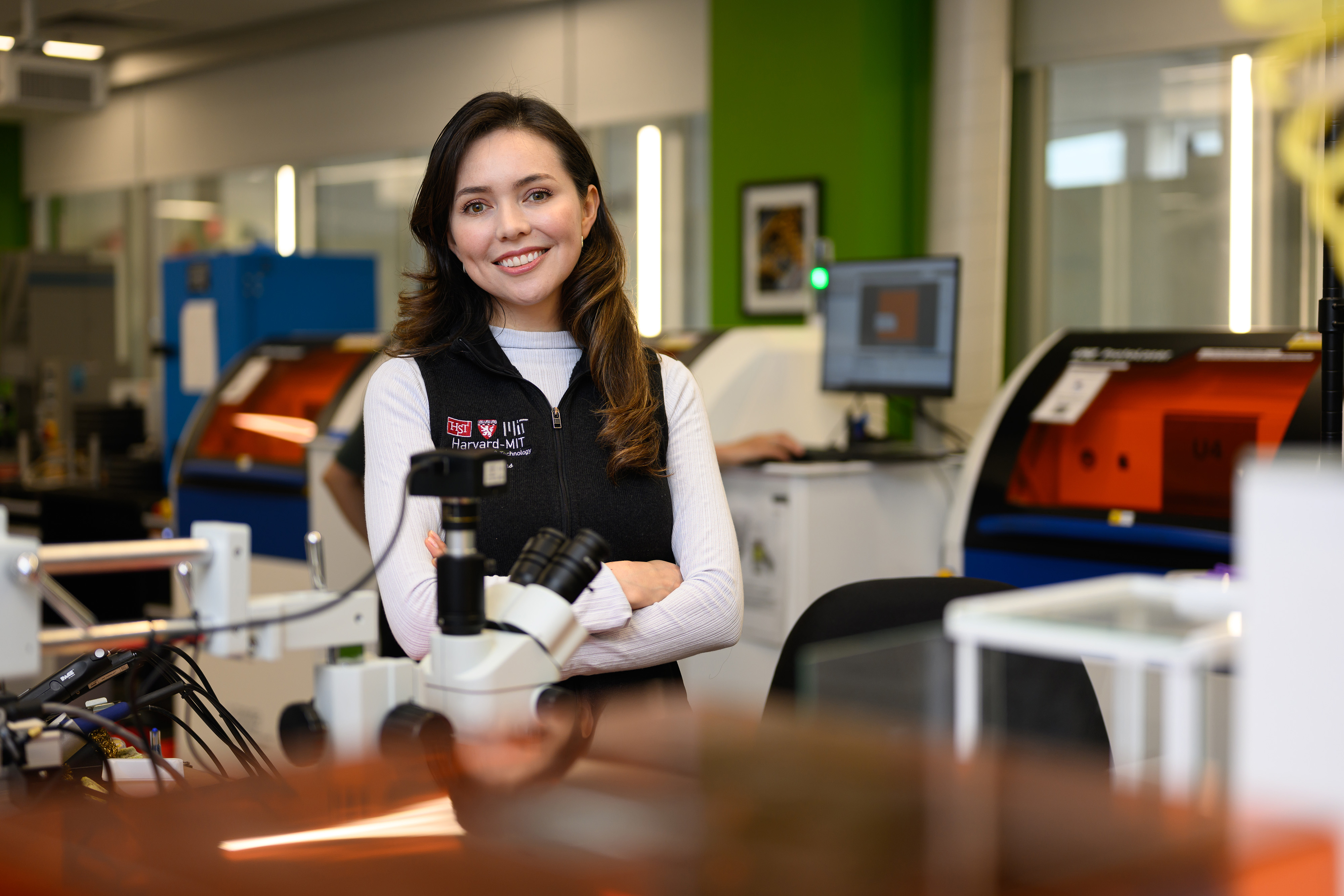 von Gitana Savage | MIT News correspondent am 17. Juli 2026 um 4:00
The PhD candidate builds soft bioelectronic technologies to decode signals between the brain and the rest of the body.
- Diana Grass: Listening to the body’s languagevon Gitana Savage | MIT News correspondent am 17. Juli 2026 um 4:00
The PhD candidate builds soft bioelectronic technologies to decode signals between the brain and the rest of the body.
- Tiny infrared chip could improve detection of gases and heat
 von Zach Winn | MIT News am 13. Juli 2026 um 4:00
The tunable device controls mid-infrared light for more precise thermal imaging, chemical sensing, or pollution monitoring.
- Tiny infrared chip could improve detection of gases and heatvon Zach Winn | MIT News am 13. Juli 2026 um 4:00
The tunable device controls mid-infrared light for more precise thermal imaging, chemical sensing, or pollution monitoring.
- Discovery could lead to brighter, more energy-efficient digital displays
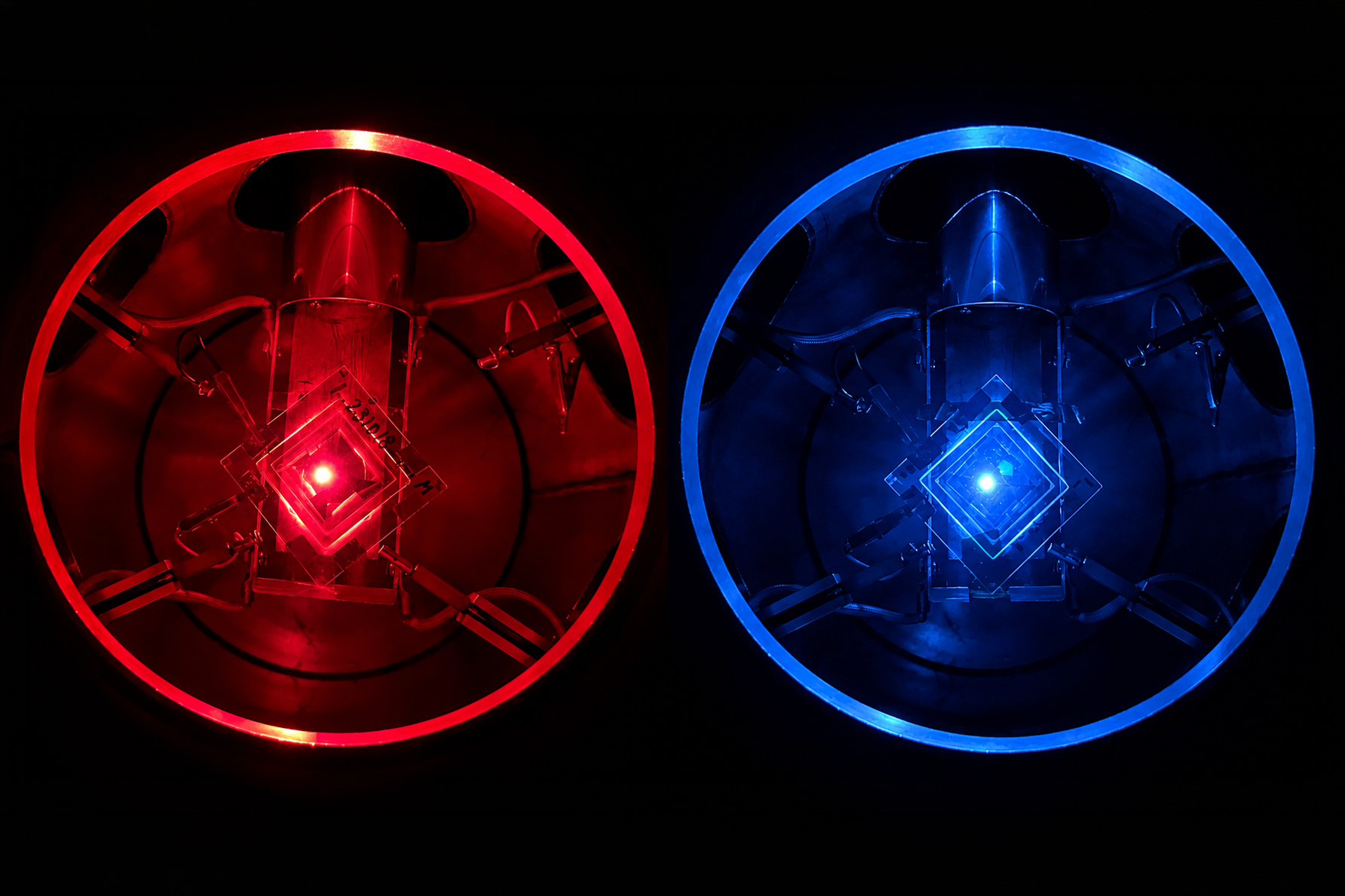 von Adam Zewe | MIT News am 10. Juli 2026 um 18:00
Researchers found a simple solution for extending the lifespans of LEDs made from glowing microscopic particles called quantum dots.
- Discovery could lead to brighter, more energy-efficient digital displaysvon Adam Zewe | MIT News am 10. Juli 2026 um 18:00
Researchers found a simple solution for extending the lifespans of LEDs made from glowing microscopic particles called quantum dots.
- MIT-designed educational factory embraces modern manufacturing
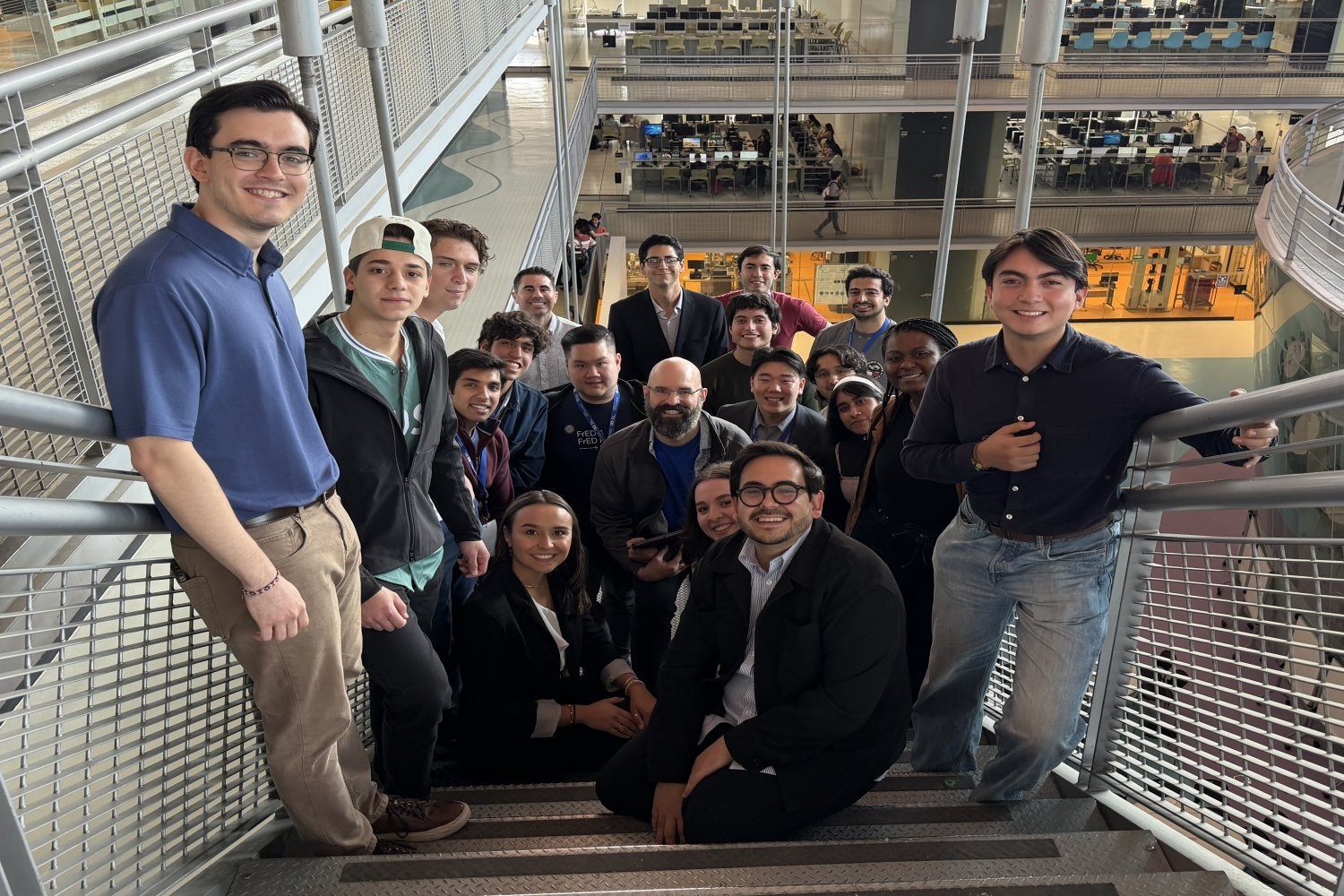 von Amanda Stoll DiCristofaro | MIT.nano am 8. Juli 2026 um 19:15
MIT and Tec de Monterrey will expand FrED curriculum to universities across Mexico.
- MIT engineers whip up a more breathable hydrogel
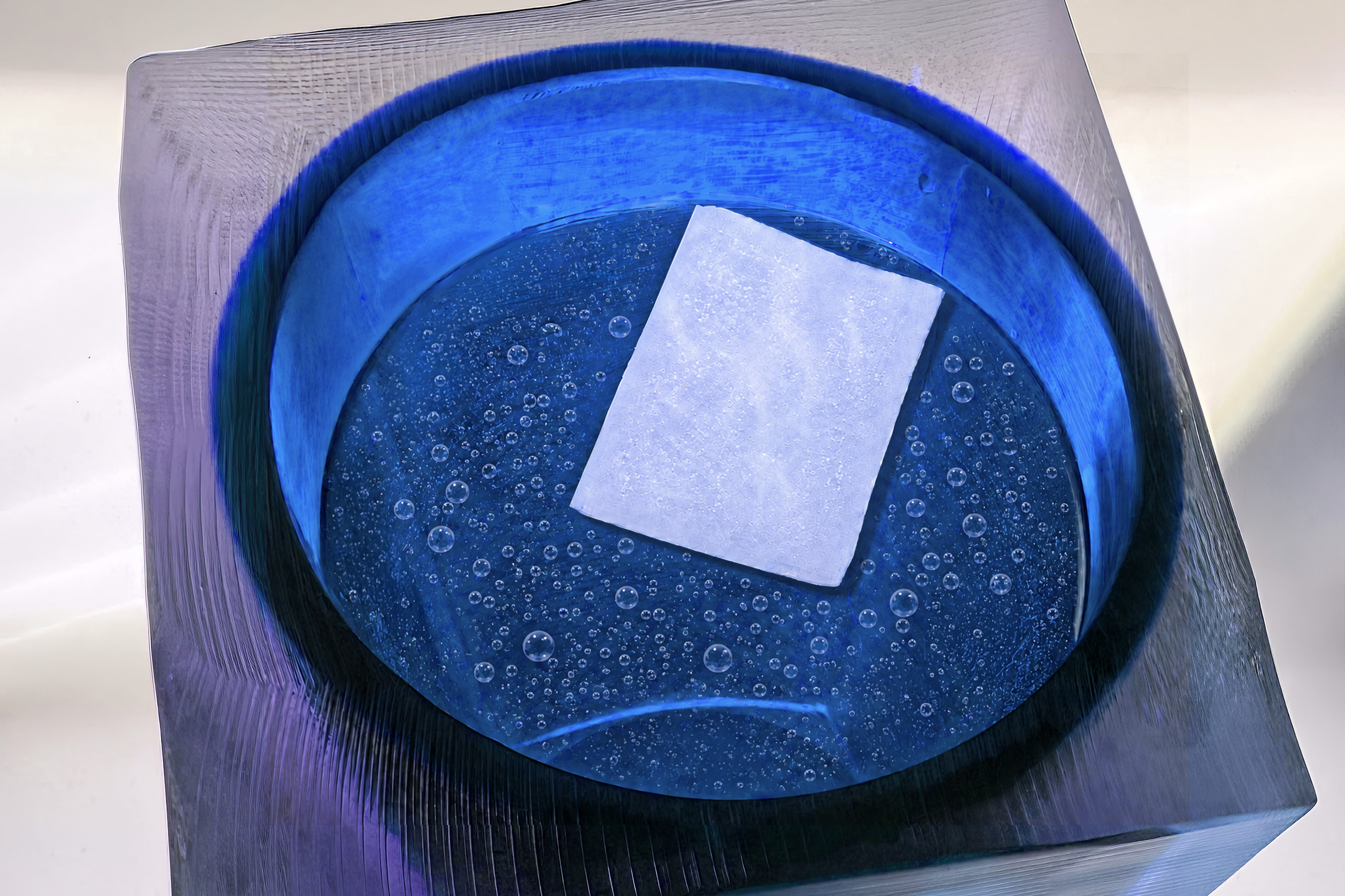 von Jennifer Chu | MIT News am 8. Juli 2026 um 15:00
The new aerated material could enable longer-lasting bandages, implants, and wearable sensors.
- Discovery helps explain why solid-state batteries often fail
 von Zach Winn | MIT News am 6. Juli 2026 um 16:00
New research could help prevent the formation of tiny seeds of lithium metal within the electrolyte, enabling batteries that charge faster and last longer.
- MIT researchers advance toward greater bandwidth, more energy-efficient communications
 von Elizabeth A. Thomson | Materials Research Laboratory am 30. Juni 2026 um 17:00
The FUTUR-IC research program integrates electronics and photonics in microchip systems.