
HealthCare am MIT
- Personal tech, social media, and the “decline of humanity”
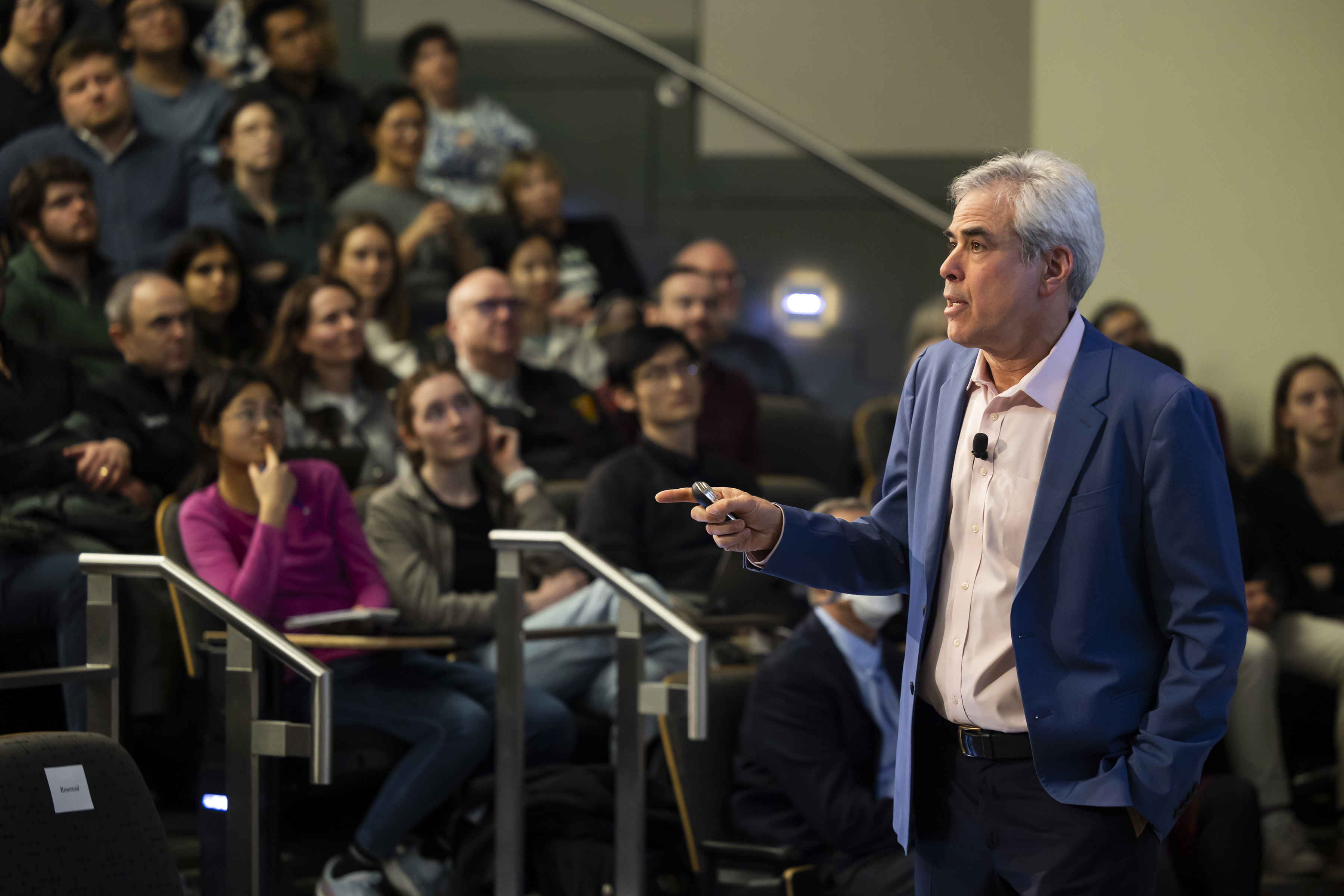 von Peter Dizikes | MIT News am 6. März 2026 um 19:00
In Compton Lecture at MIT, social psychologist Jonathan Haidt warns of dramatic global decay in cognition, attention spans, and civic life, and urges curbs to tech use.
- Injectable “satellite livers” could offer an alternative to liver transplantation
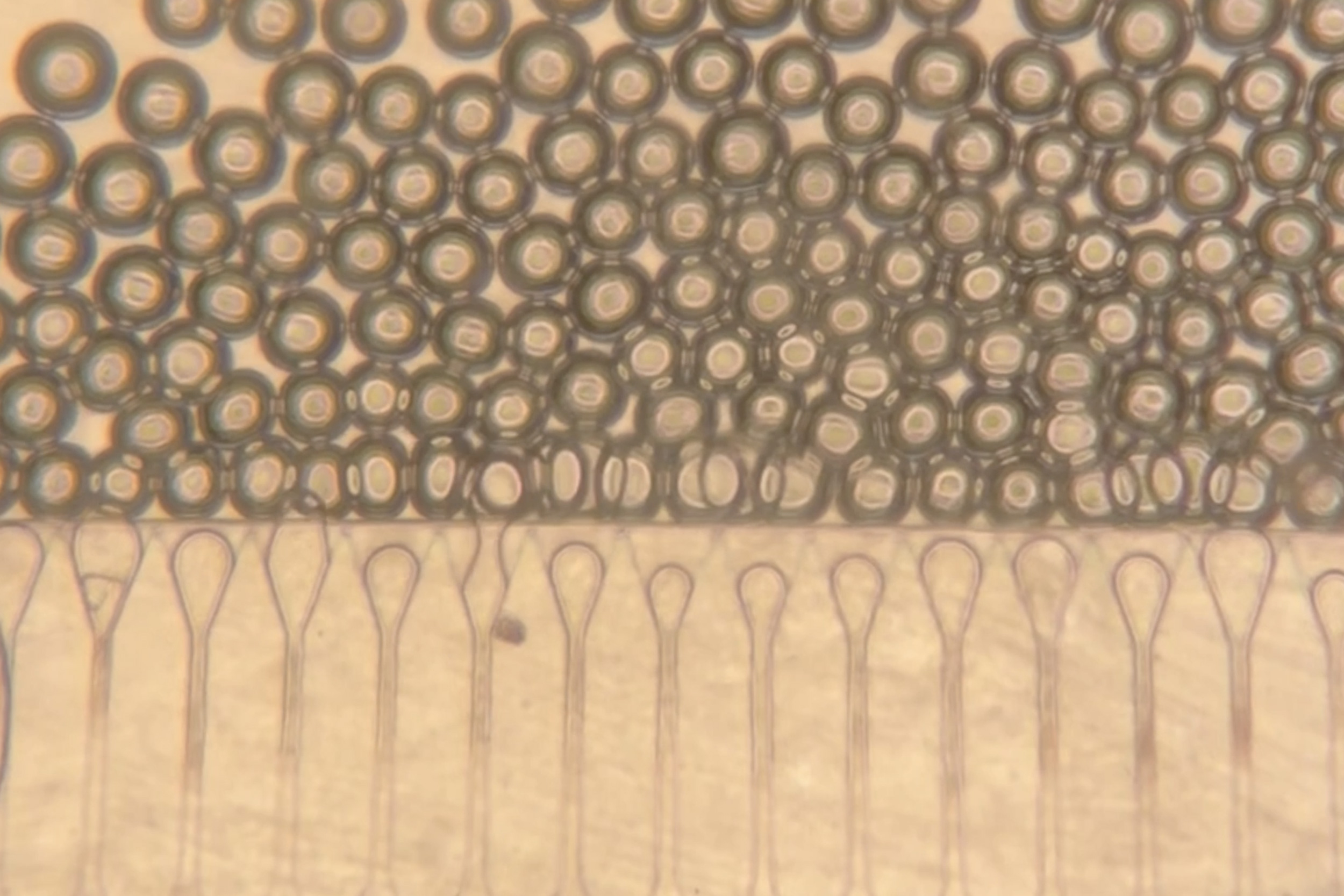 von Anne Trafton | MIT News am 3. März 2026 um 16:00
The engineered tissue grafts could take on the liver’s function and help thousands of people with liver failure.
- W.M. Keck Foundation to support research on healthy aging at MIT
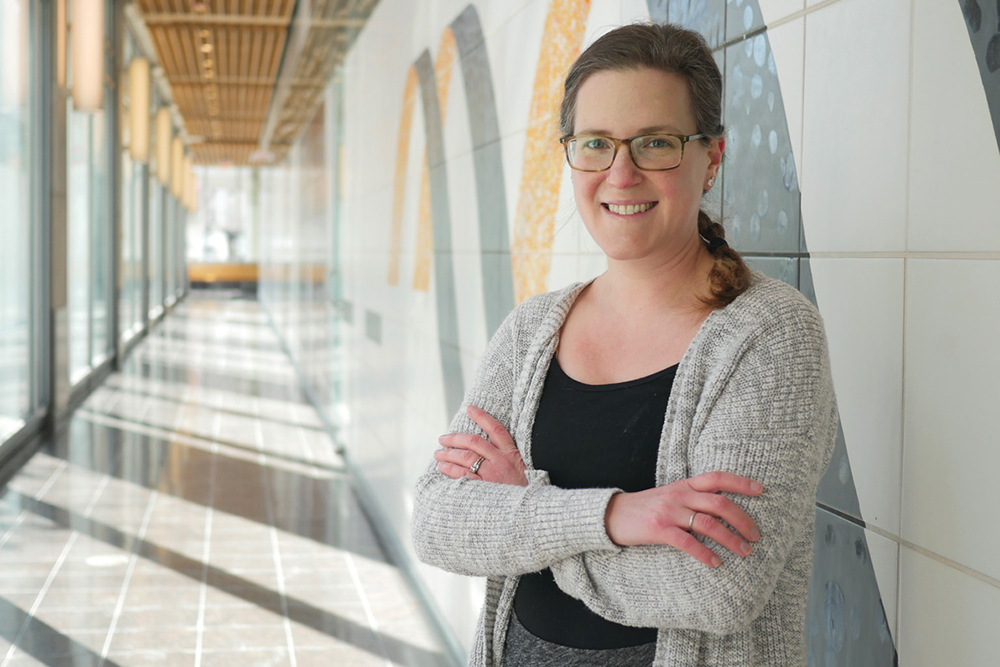 von Lillian Eden | Department of Biology am 2. März 2026 um 23:30
Assistant Professor Alison Ringel will investigate the intersection of immunology and aging biology, aiming to define mechanisms that underlie aging-related decline, thanks to a grant from the foundation.
- AI to help researchers see the bigger picture in cell biology
 von Adam Zewe | MIT News am 25. Februar 2026 um 10:00
By providing holistic information on a cell, an AI-driven method could help scientists better understand disease mechanisms and plan experiments.
- Fragile X study uncovers brain wave biomarker bridging humans and mice
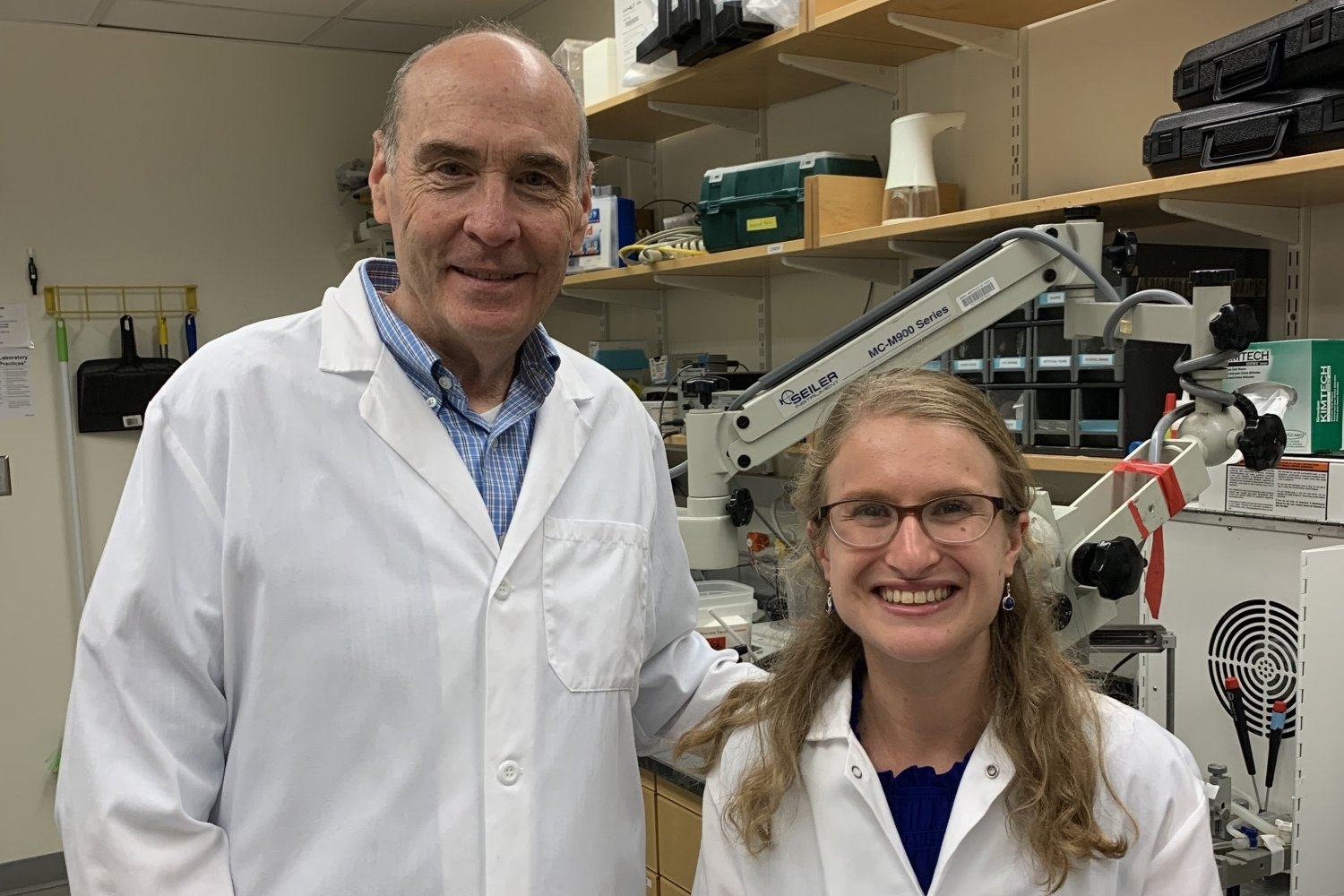 von David Orenstein | The Picower Institute for Learning and Memory am 20. Februar 2026 um 20:35
Researchers find mice modeling the autism spectrum disorder fragile X syndrome exhibit the same pattern of differences in low-frequency waves as humans — a new marker for treatment studies.
- Bridging science and society in the emerging bioeconomy
 von Benjamin Daniel | School of Humanities, Arts, and Social Sciences am 18. Februar 2026 um 19:55
In STS.059 (The Bioeconomy and Society), students explore the social and political factors at work in the biology, biotech, and biological engineering sectors.
- Using synthetic biology and AI to address global antimicrobial resistance threat
 von Daniel J. Darling | Department of Biological Engineering am 11. Februar 2026 um 13:00
Driven by overuse and misuse of antibiotics, drug-resistant infections are on the rise, while development of new antibacterial tools has slowed.
- AI algorithm enables tracking of vital white matter pathways
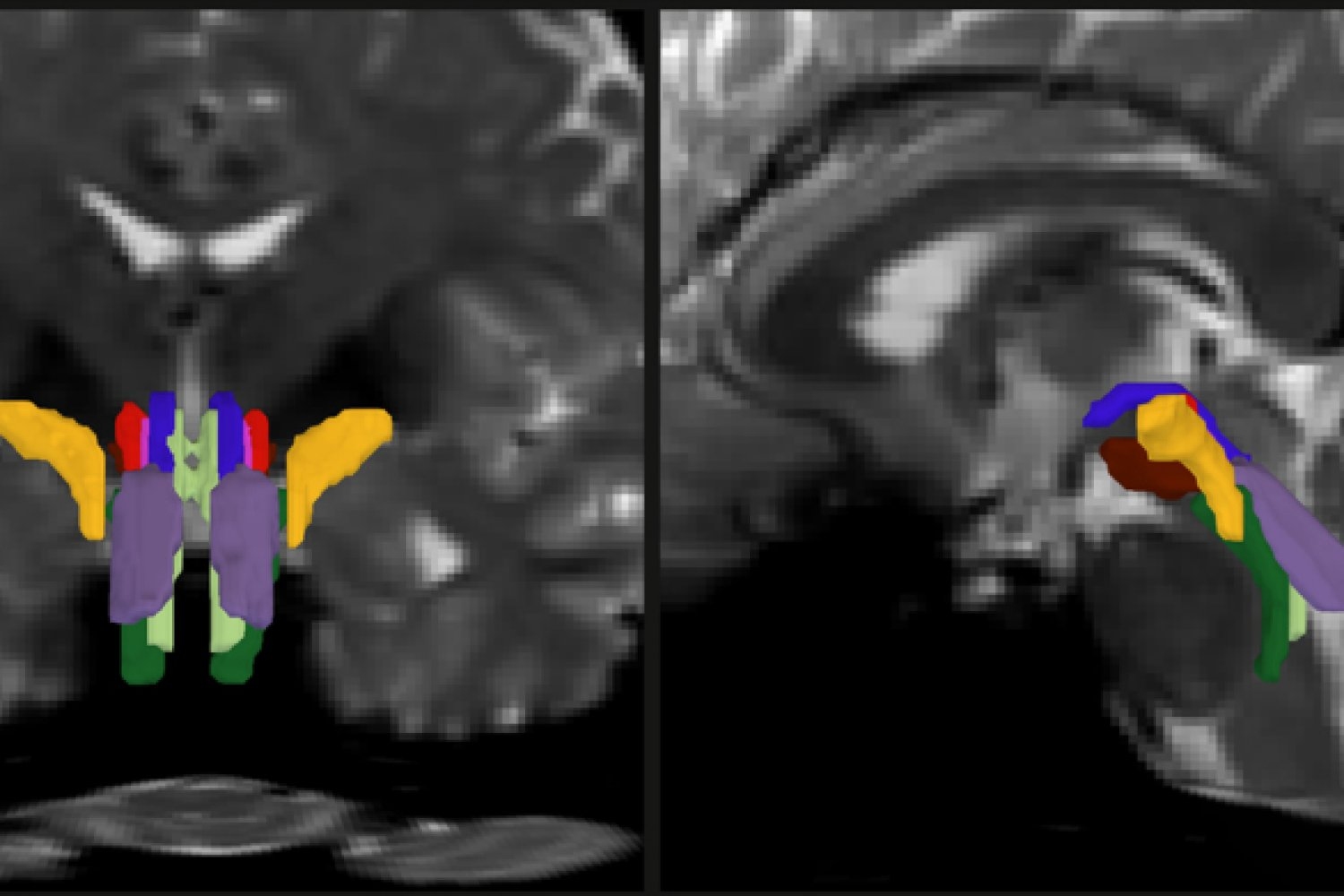 von David Orenstein | The Picower Institute for Learning and Memory am 10. Februar 2026 um 22:00
Opening a new window on the brainstem, a new tool reliably and finely resolves distinct nerve bundles in live diffusion MRI scans, revealing signs of injury or disease.
- Magnetic mixer improves 3D bioprinting
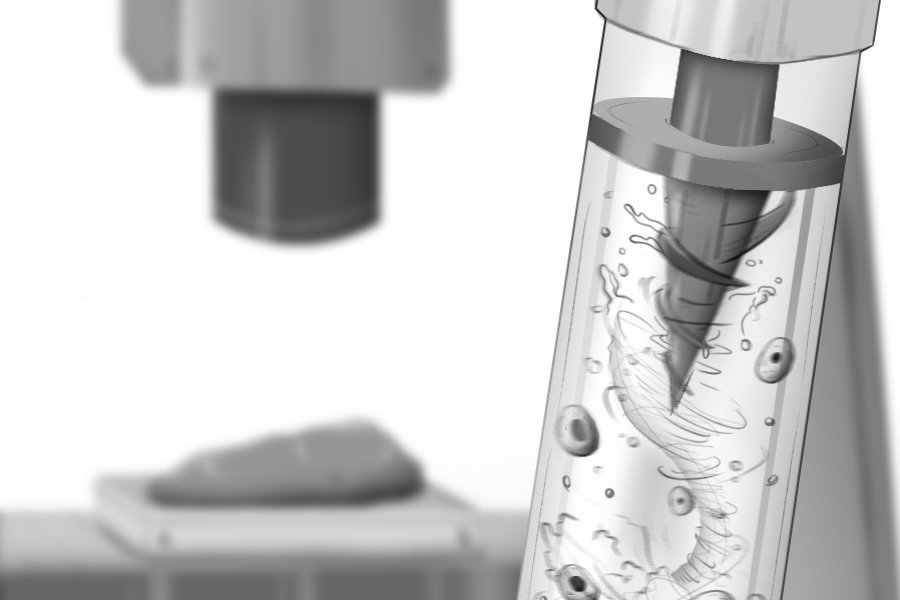 von Anne Wilson | Department of Mechanical Engineering am 10. Februar 2026 um 21:35
MagMix, an onboard mixing device, enables scalable manufacturing of 3D-printed tissues.
- New vaccine platform promotes rare protective B cells
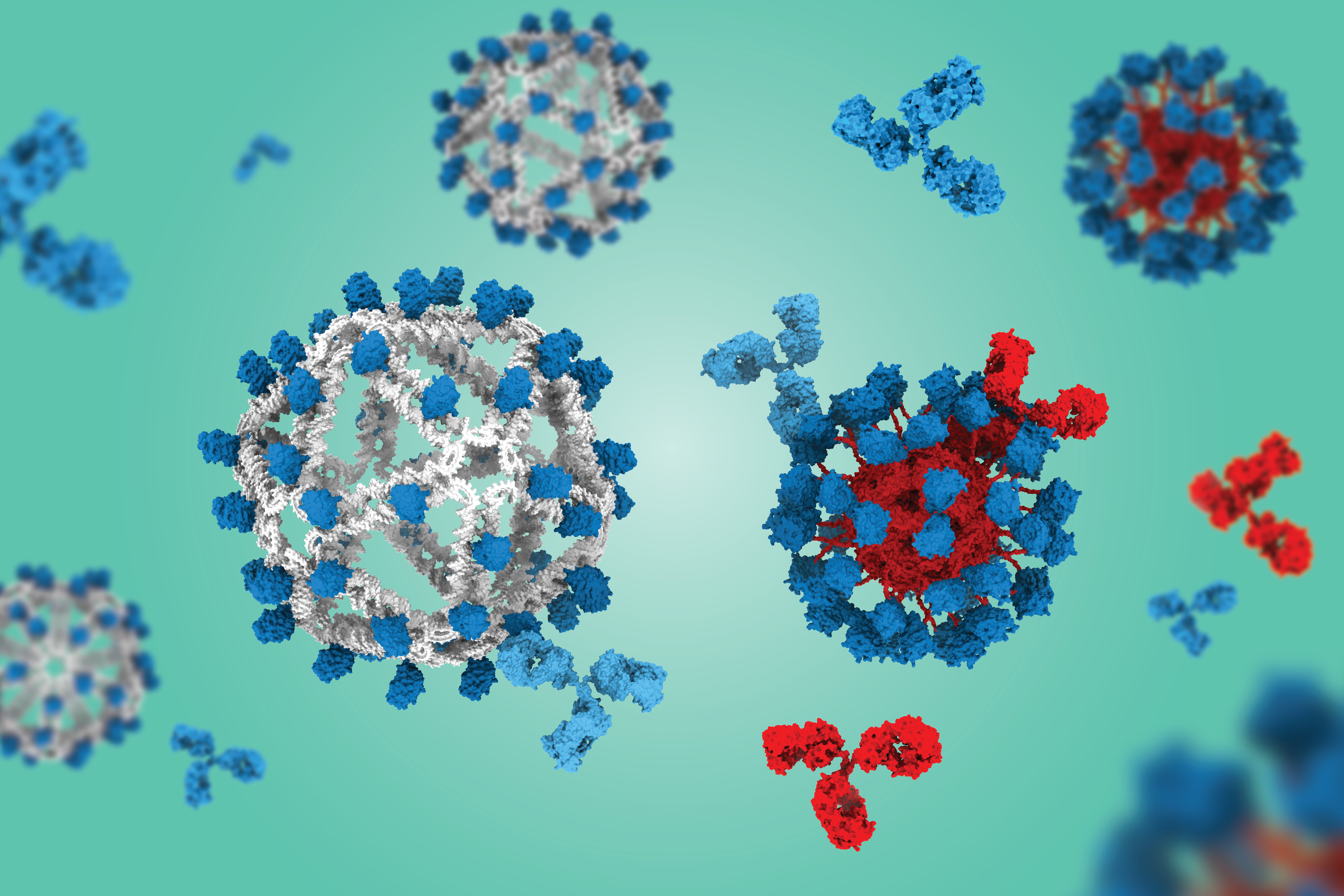 von Anne Trafton | MIT News am 5. Februar 2026 um 19:00
Based on a virus-like particle built with a DNA scaffold, the approach could generate broadly neutralizing antibody responses against HIV or influenza.
- 3 Questions: Using AI to accelerate the discovery and design of therapeutic drugs
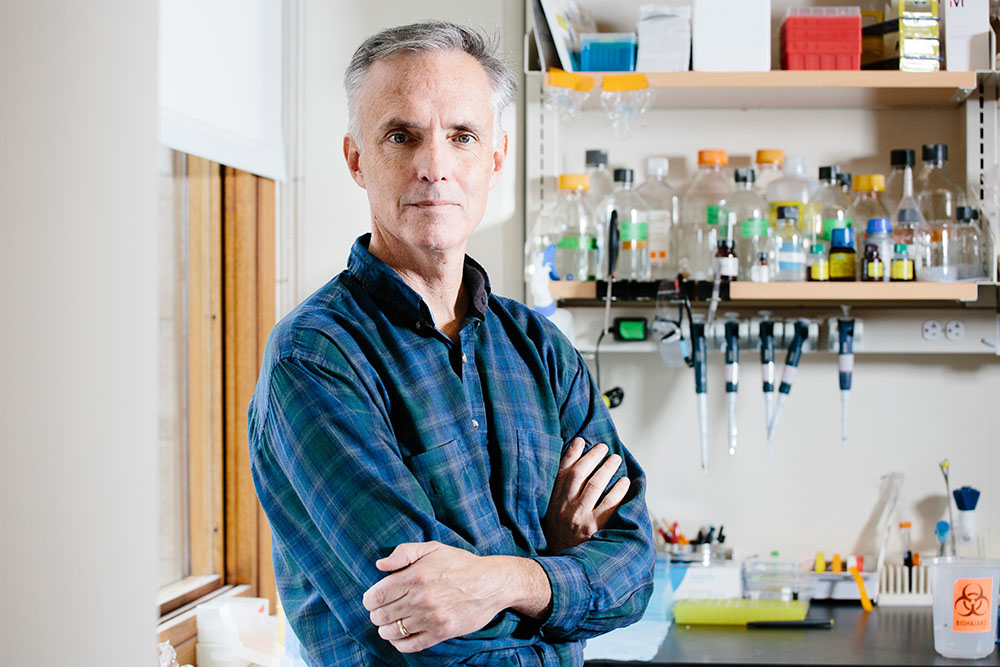 von Mindy Blodgett | Institute for Medical Engineering and Science am 4. Februar 2026 um 18:00
Professor James Collins discusses how collaboration has been central to his research into combining computational predictions with new experimental platforms.
- SMART launches new Wearable Imaging for Transforming Elderly Care research group
 von Singapore-MIT Alliance for Research and Technology am 3. Februar 2026 um 15:00
WITEC is working to develop the first wearable ultrasound imaging system to monitor chronic conditions in real-time, with the goal of enabling earlier detection and timely intervention.
- A portable ultrasound sensor may enable earlier detection of breast cancer
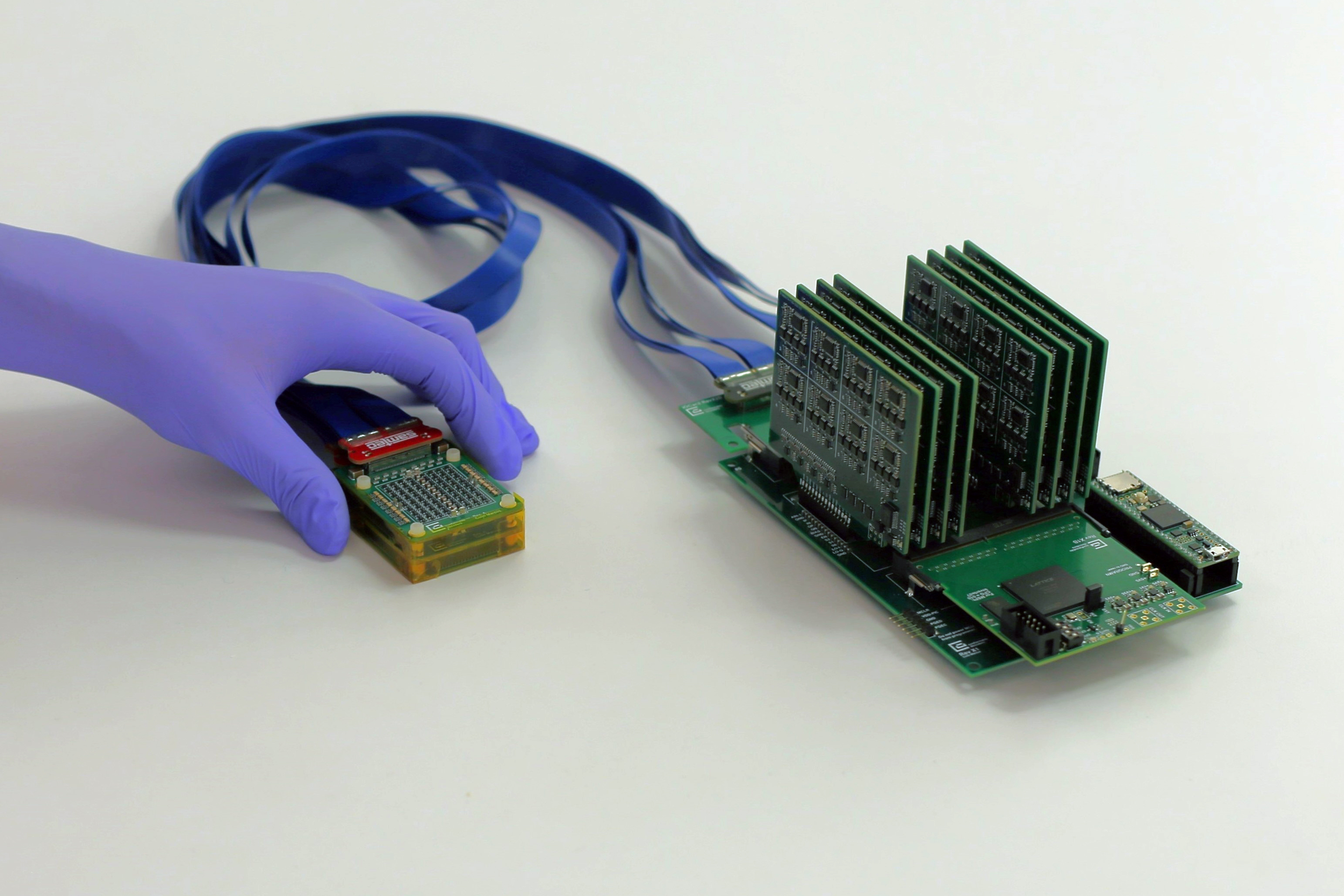 von Anne Trafton | MIT News am 2. Februar 2026 um 5:00
The new system could be used at home or in doctors’ offices to scan people who are at high risk for breast cancer.
- A portable ultrasound sensor may enable earlier detection of breast cancervon Anne Trafton | MIT News am 2. Februar 2026 um 5:00
The new system could be used at home or in doctors’ offices to scan people who are at high risk for breast cancer.
- Designing the future of metabolic health through tissue-selective drug delivery
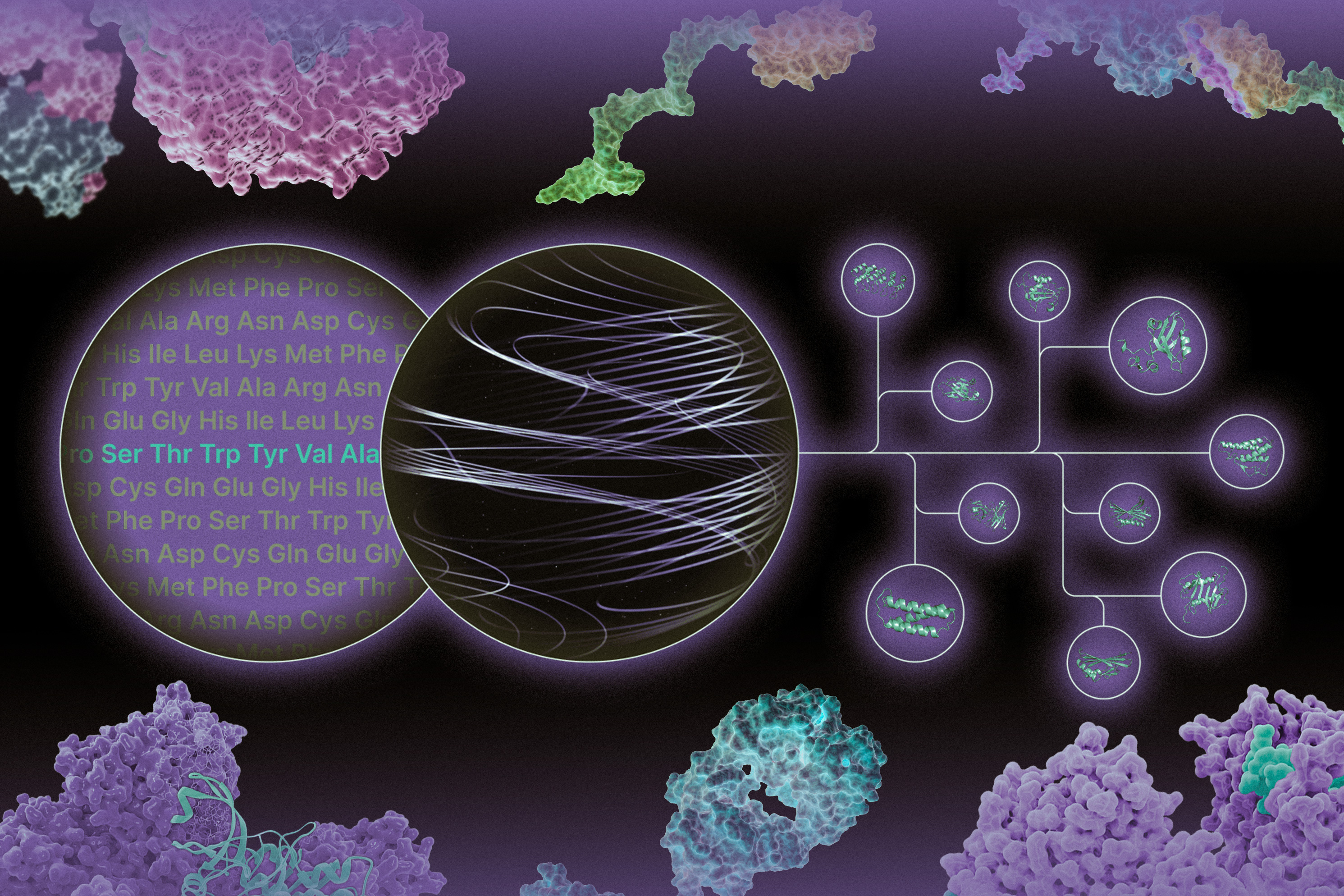 von Zach Winn | MIT News am 30. Januar 2026 um 15:15
Founded by three MIT alumni, Gensaic uses AI-guided protein design to deliver RNA and other therapeutic molecules to specific cells or areas of the body.
- Cancer’s secret safety net
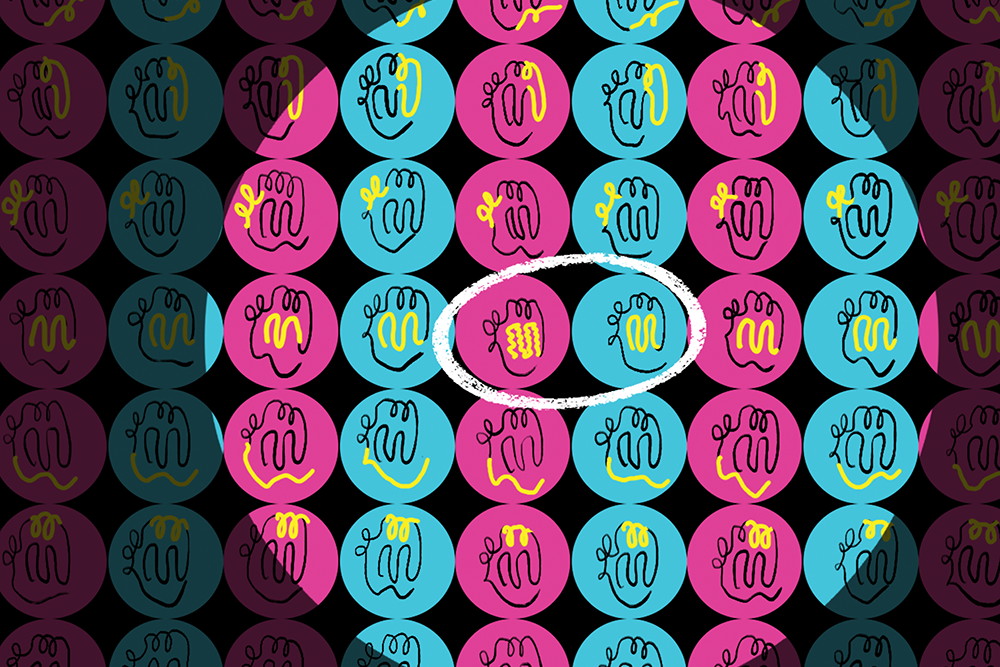 von Danielle Randall Doughty | Department of Chemistry am 23. Januar 2026 um 20:40
Researchers uncover a hidden mechanism that allows cancer to develop aggressive mutations.
- Cancer’s secret safety netvon Danielle Randall Doughty | Department of Chemistry am 23. Januar 2026 um 20:40
Researchers uncover a hidden mechanism that allows cancer to develop aggressive mutations.
- Richard Hynes, a pioneer in the biology of cellular adhesion, dies at 81
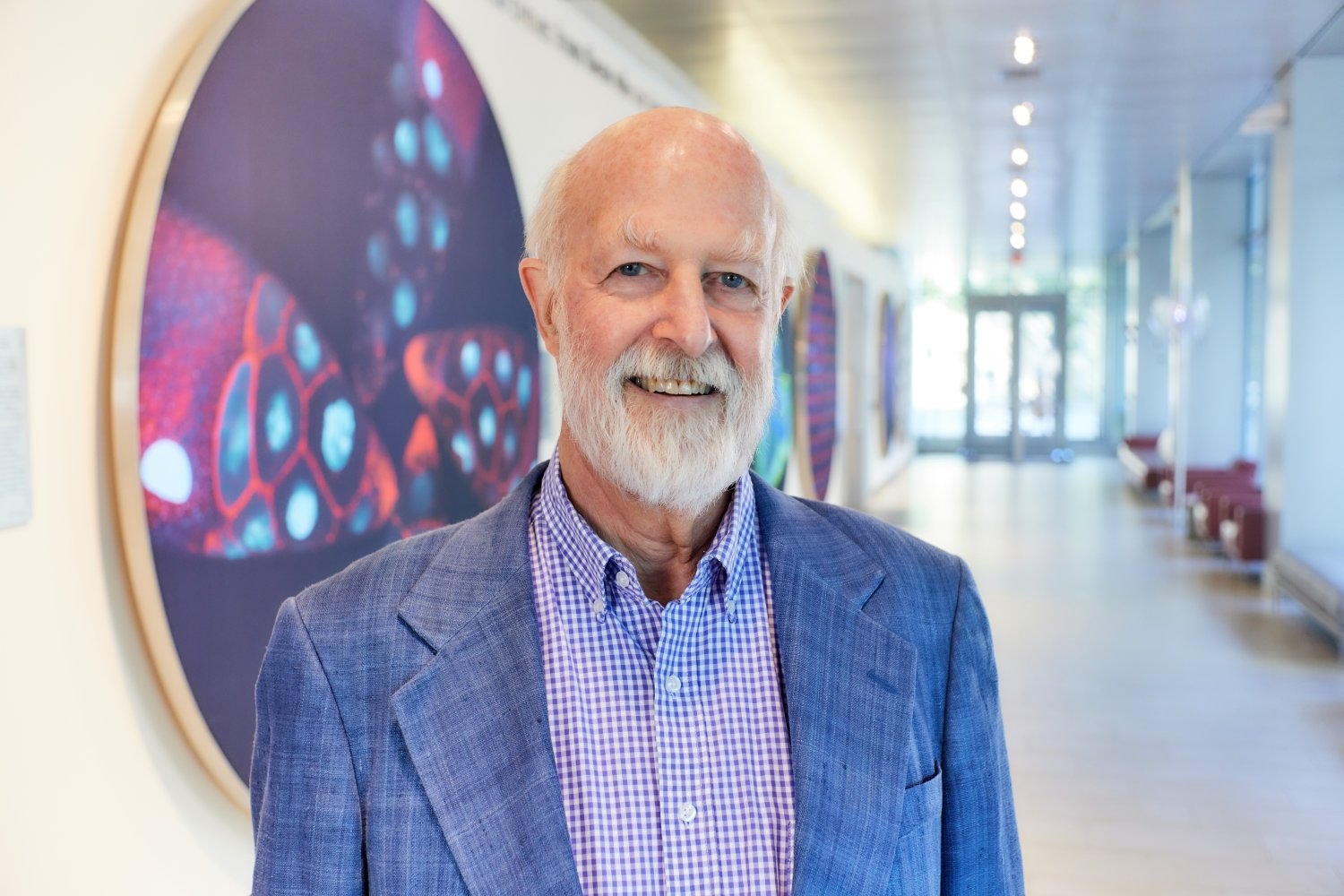 von Bendta Schroeder | Koch Institute am 23. Januar 2026 um 19:45
Professor, mentor, and leader at MIT for more than 50 years shaped fundamental understandings of cell adhesion, the extracellular matrix, and molecular mechanisms of metastasis.
- Richard Hynes, a pioneer in the biology of cellular adhesion, dies at 81von Bendta Schroeder | Koch Institute am 23. Januar 2026 um 19:45
Professor, mentor, and leader at MIT for more than 50 years shaped fundamental understandings of cell adhesion, the extracellular matrix, and molecular mechanisms of metastasis.
- Why it’s critical to move beyond overly aggregated machine-learning metrics
 von Michaela Jarvis | MIT Laboratory for Information and Decision Systems am 20. Januar 2026 um 21:30
New research detects hidden evidence of mistaken correlations — and provides a method to improve accuracy.
- Pills that communicate from the stomach could improve medication adherence
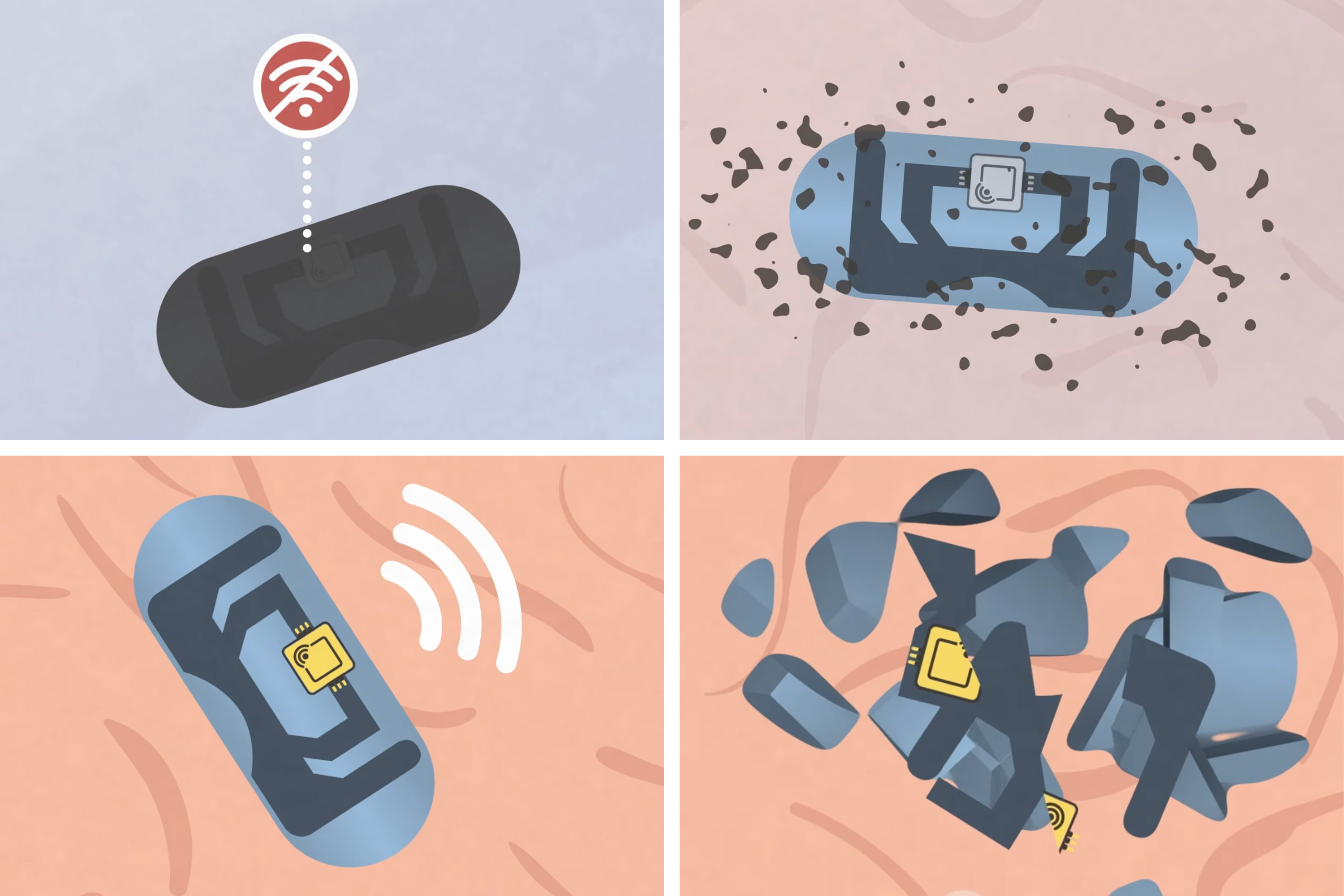 von Anne Trafton | MIT News am 8. Januar 2026 um 10:00
MIT engineers designed capsules with biodegradable radio frequency antennas that can reveal when the pill has been swallowed.
- Celebrating worm science
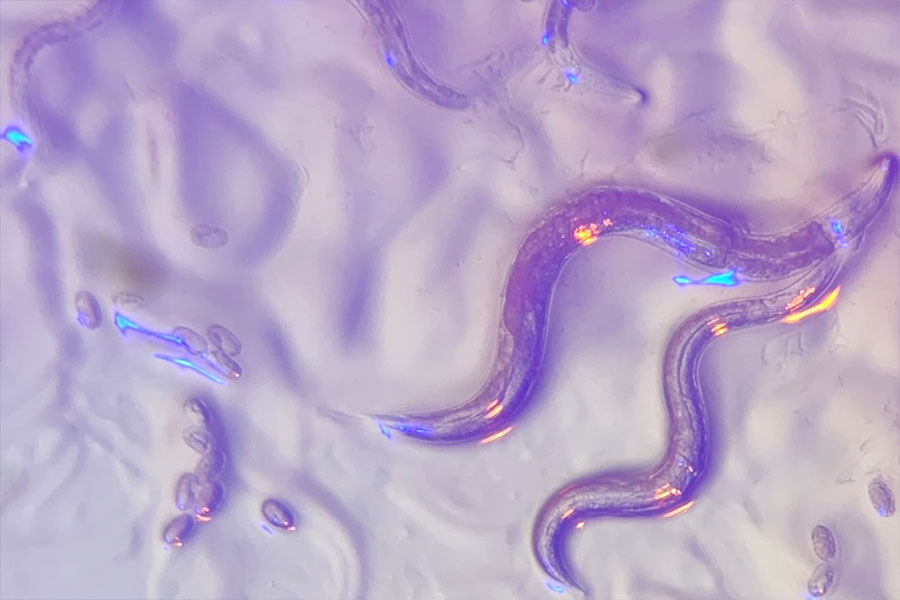 von Jennifer Michalowski | McGovern Institute for Brain Research am 7. Januar 2026 um 21:40
Time and again, an unassuming roundworm has illuminated aspects of biology with major consequences for human health.
- AI-generated sensors open new paths for early cancer detection
 von Anne Trafton | MIT News am 6. Januar 2026 um 10:00
Nanoparticles coated with molecular sensors could be used to develop at-home tests for many types of cancer.
- AI-generated sensors open new paths for early cancer detectionvon Anne Trafton | MIT News am 6. Januar 2026 um 10:00
Nanoparticles coated with molecular sensors could be used to develop at-home tests for many types of cancer.
- Sean Luk: Addressing the urgent need for better immunotherapy
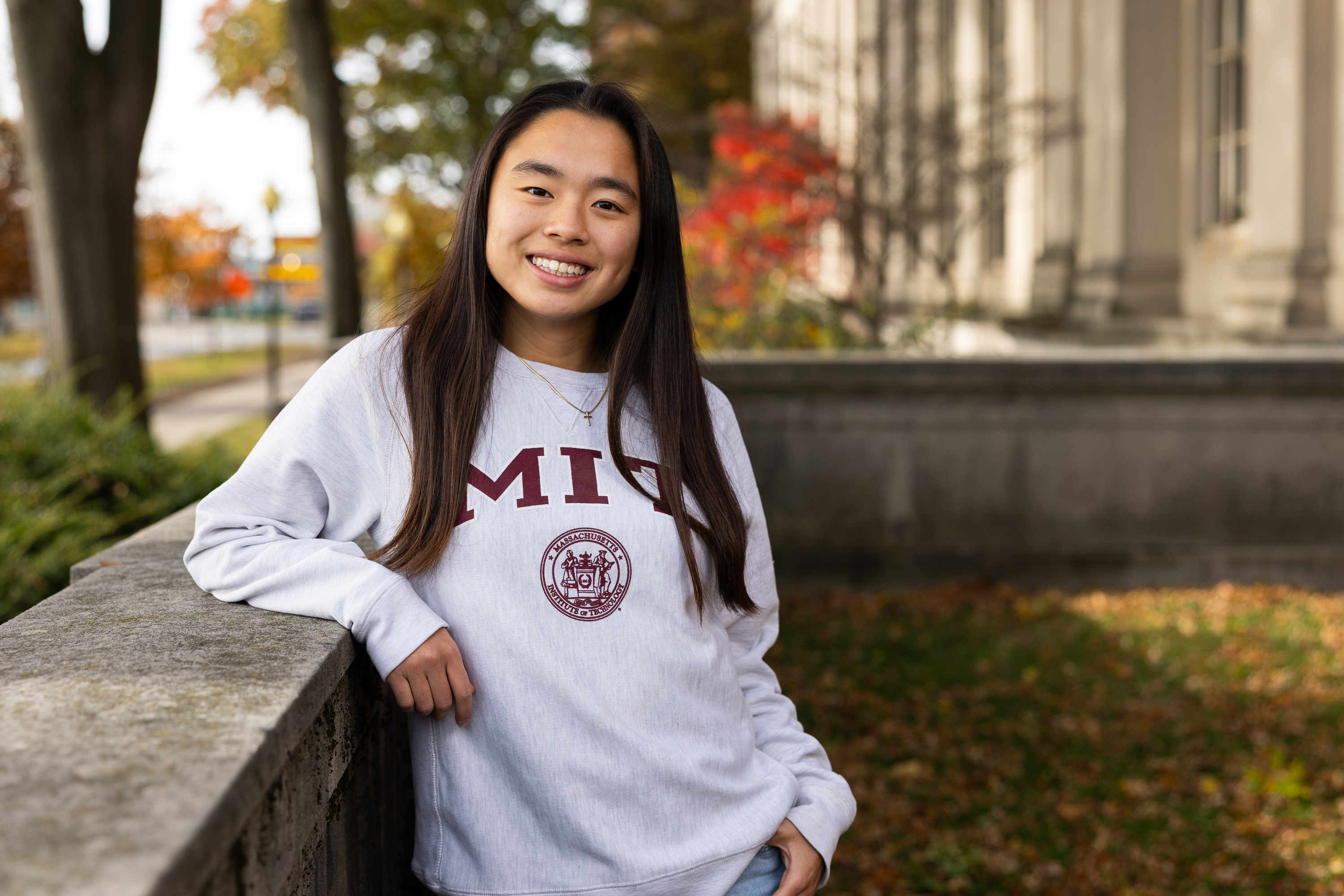 von Frances Klemm | MIT News correspondent am 6. Januar 2026 um 5:00
The MIT senior helps design proteins that spur the immune system to fight cancer and other diseases.
- MIT scientists investigate memorization risk in the age of clinical AI
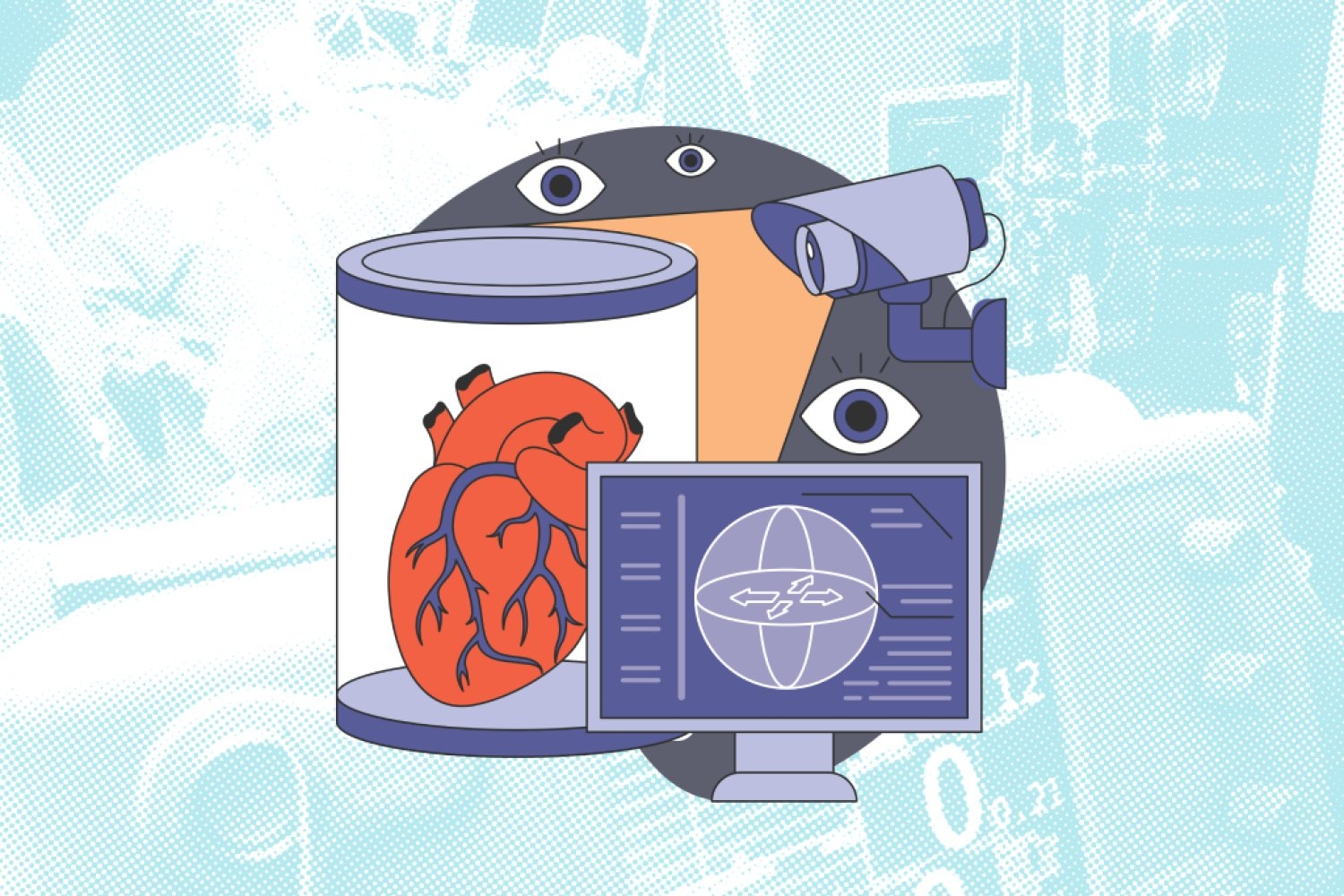 von Alex Ouyang | Abdul Latif Jameel Clinic for Machine Learning in Health am 5. Januar 2026 um 21:55
New research demonstrates how AI models can be tested to ensure they don’t cause harm by revealing anonymized patient health data.
- MIT in the media: 2025 in review
 von MIT News am 22. Dezember 2025 um 22:20
MIT community members made headlines with key research advances and their efforts to tackle pressing challenges.
- Study: High-fat diets make liver cells more likely to become cancerous
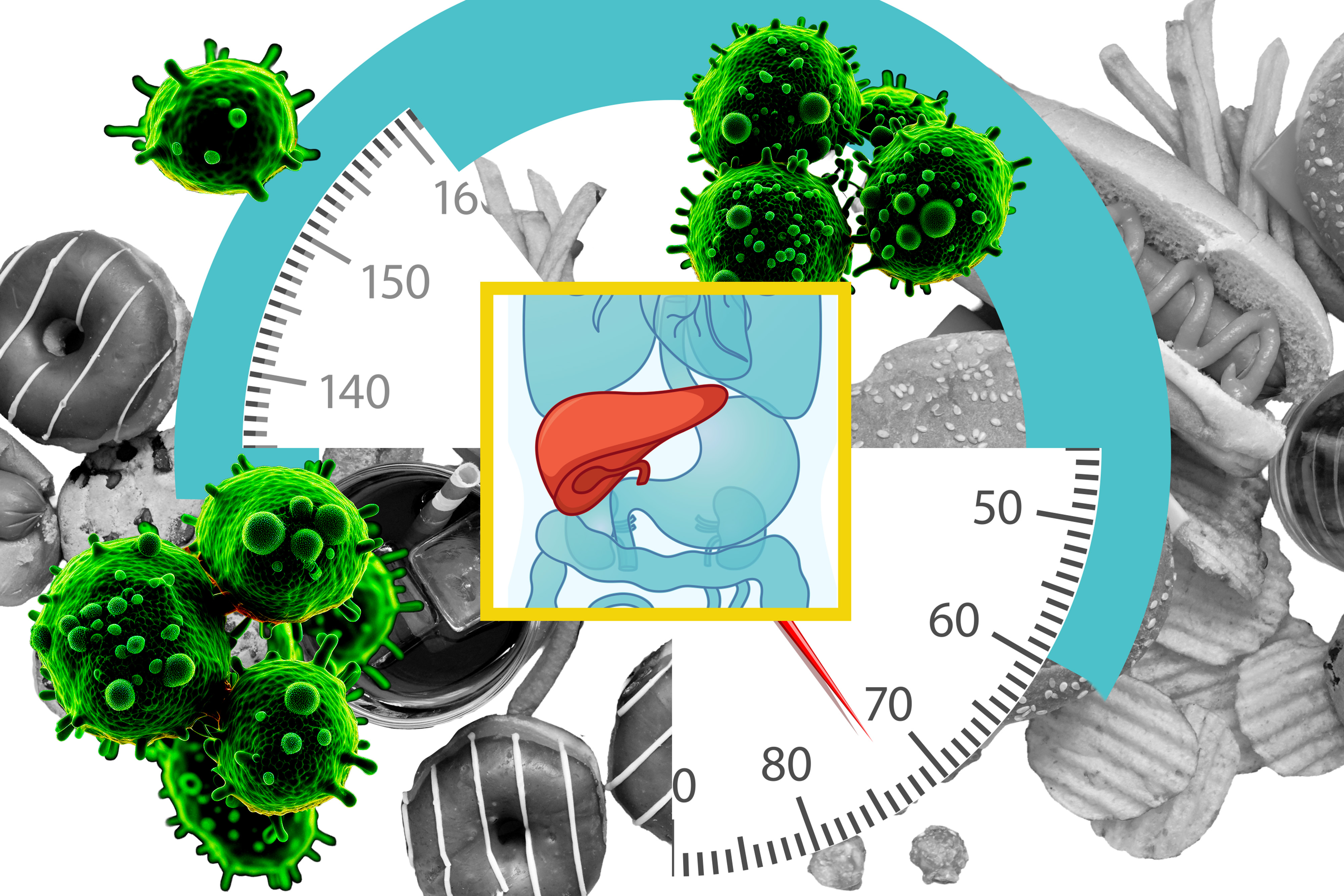 von Anne Trafton | MIT News am 22. Dezember 2025 um 16:00
New research suggests liver cells exposed to too much fat revert to an immature state that is more susceptible to cancer-causing mutations.
- Study: High-fat diets make liver cells more likely to become cancerousvon Anne Trafton | MIT News am 22. Dezember 2025 um 16:00
New research suggests liver cells exposed to too much fat revert to an immature state that is more susceptible to cancer-causing mutations.
- Post-COP30, more aggressive policies needed to cap global warming at 1.5 C
 von Mark Dwortzan | Center for Sustainability Science and Strategy am 17. Dezember 2025 um 20:10
Global Change Outlook report for 2025 shows how accelerated action can reduce climate risks and improve sustainability outcomes, while highlighting potential geopolitical hurdles.
- MIT-Hood Pediatric Innovation Hub convenes leaders to advance pediatric health
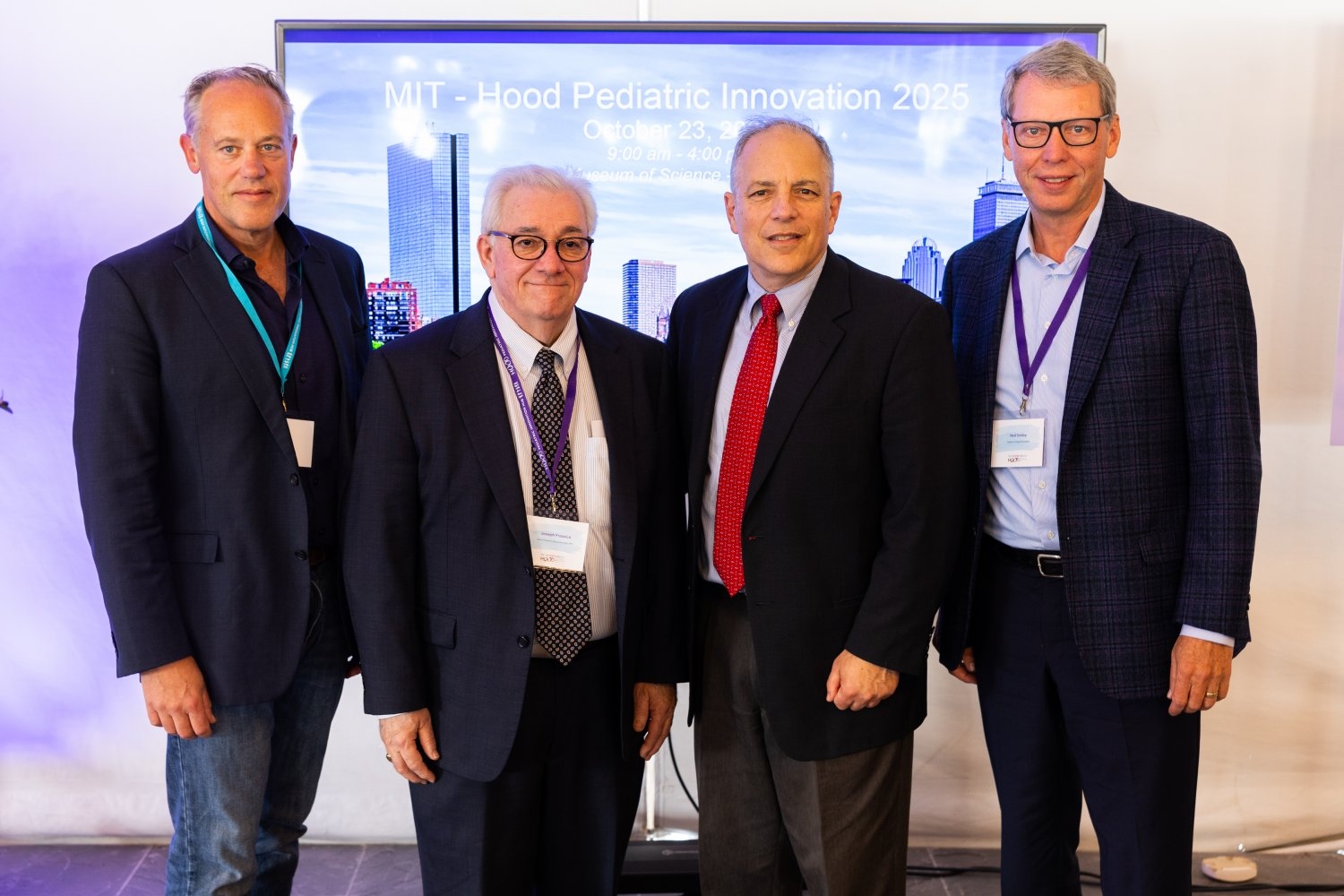 von Liam McDonnell | Office of Innovation and Strategy am 17. Dezember 2025 um 16:35
The Hood Pediatric Innovation Hub brings together clinicians, researchers, and industry to bridge the gap between discovery and care.
- A new immunotherapy approach could work for many types of cancer
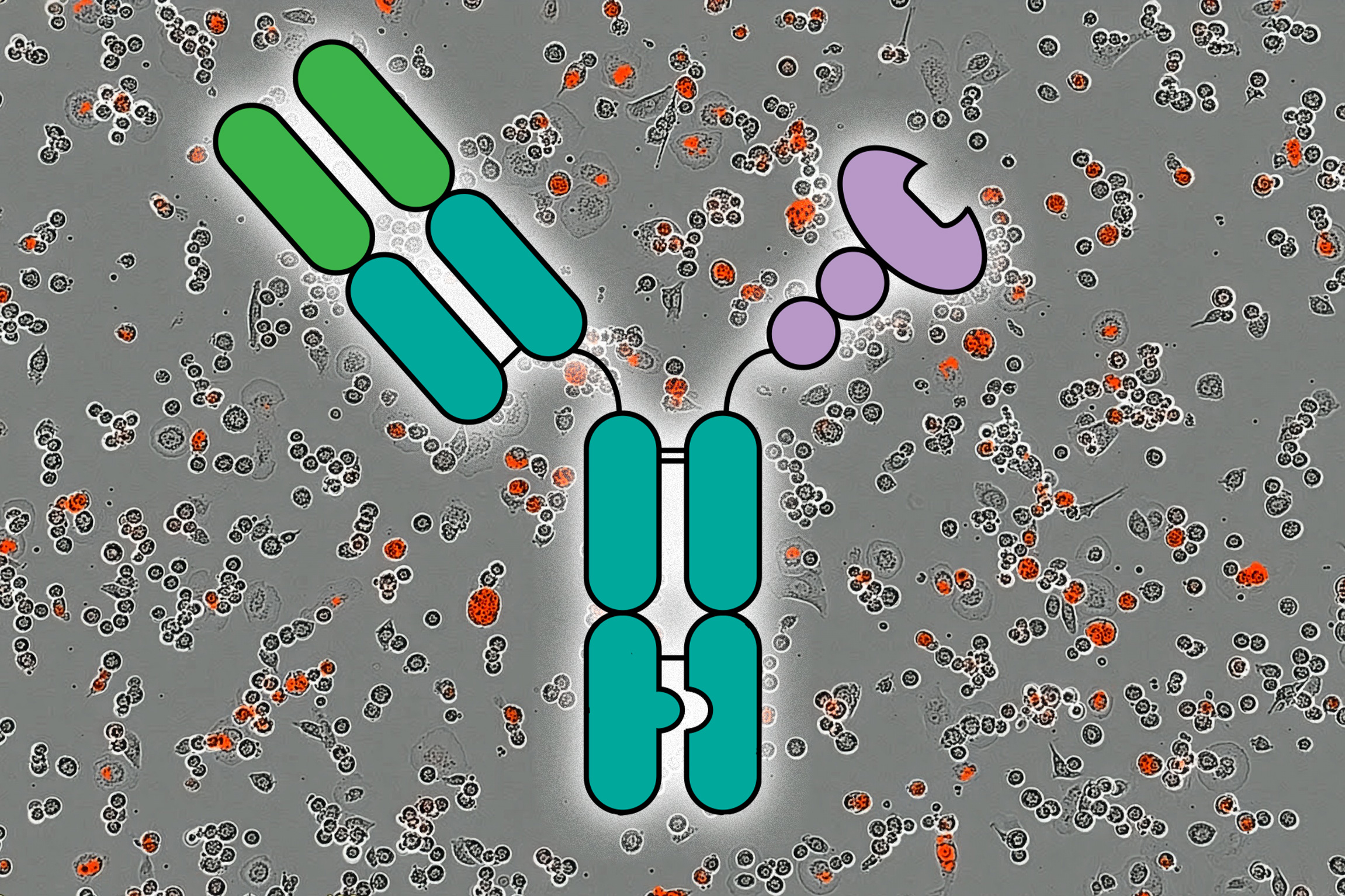 von Anne Trafton | MIT News am 16. Dezember 2025 um 10:00
Using new molecules that block an immune checkpoint, researchers showed they could stimulate a strong anti-tumor immune response.
- MIT researchers find new immunotherapeutic targets for glioblastoma
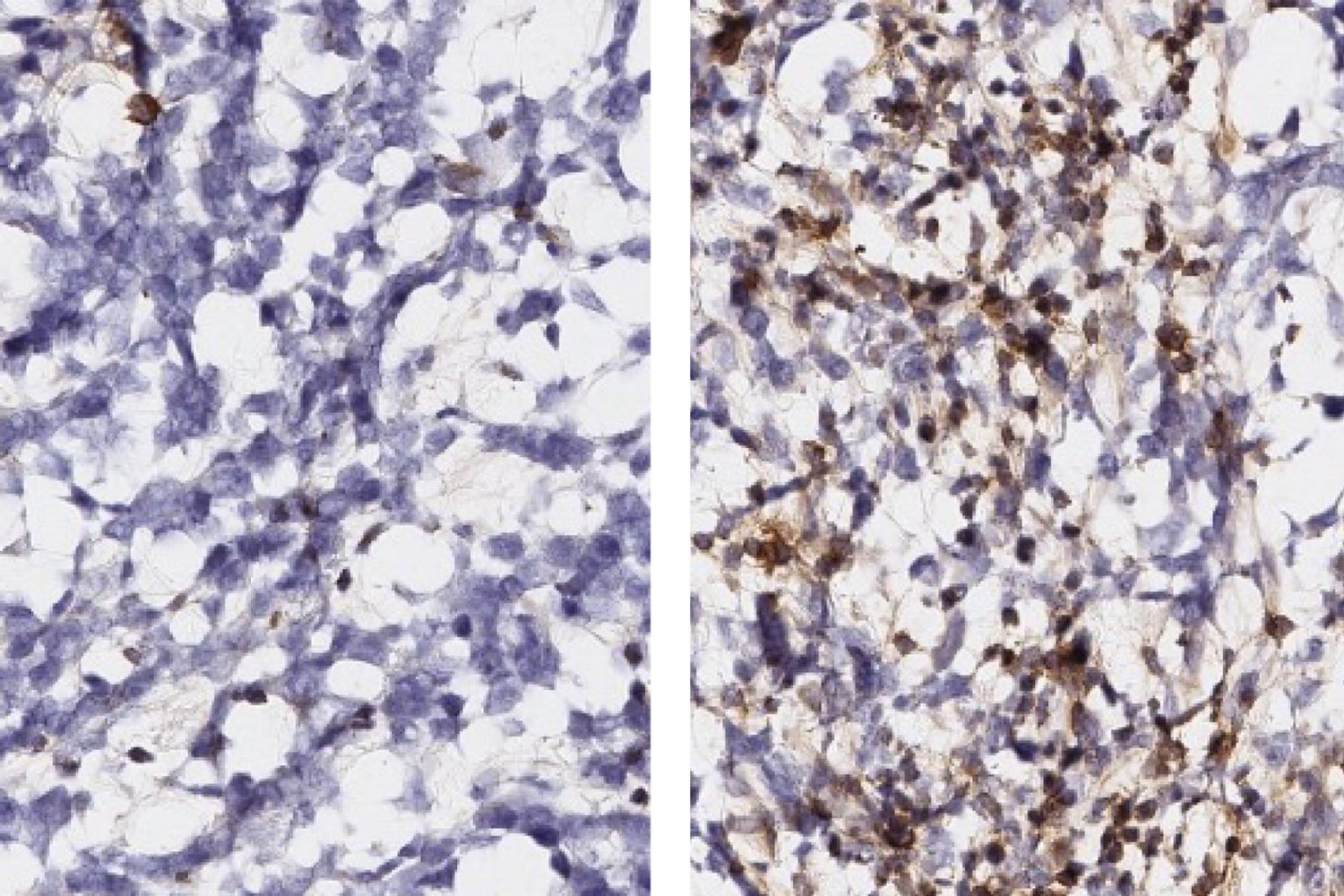 von Bendta Schroeder | Koch Institute am 11. Dezember 2025 um 21:40
A study profiling antigens presented on immune and tumor cells in co-culture points to new strategies for attacking a treatment-resistant and deadly brain cancer.
- A new way to deliver antibodies could make treatment much easier for patients
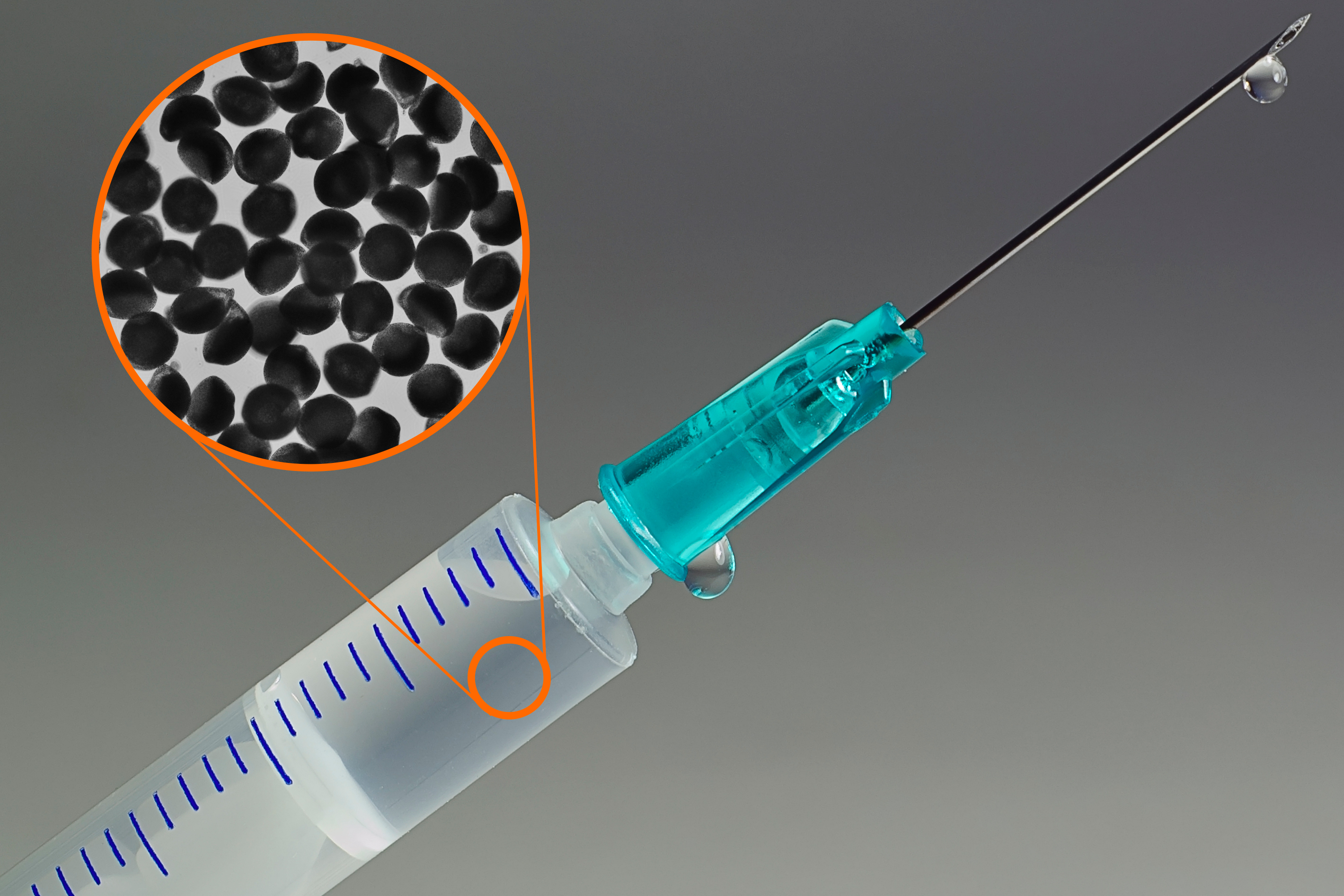 von Anne Trafton | MIT News am 11. Dezember 2025 um 15:45
Therapeutic antibodies packaged into microparticles could be injected with a standard syringe, avoiding the need for lengthy and often uncomfortable infusions.
- A new way to deliver antibodies could make treatment much easier for patientsvon Anne Trafton | MIT News am 11. Dezember 2025 um 15:45
Therapeutic antibodies packaged into microparticles could be injected with a standard syringe, avoiding the need for lengthy and often uncomfortable infusions.
- Prognostic tool could help clinicians identify high-risk cancer patients
 von Adam Zewe | MIT News am 8. Dezember 2025 um 19:45
Using a versatile problem-solving framework, researchers show how early relapse in lymphoma patients influences their chance for survival.
- Prognostic tool could help clinicians identify high-risk cancer patientsvon Adam Zewe | MIT News am 8. Dezember 2025 um 19:45
Using a versatile problem-solving framework, researchers show how early relapse in lymphoma patients influences their chance for survival.
- MIT chemists synthesize a fungal compound that holds promise for treating brain cancer
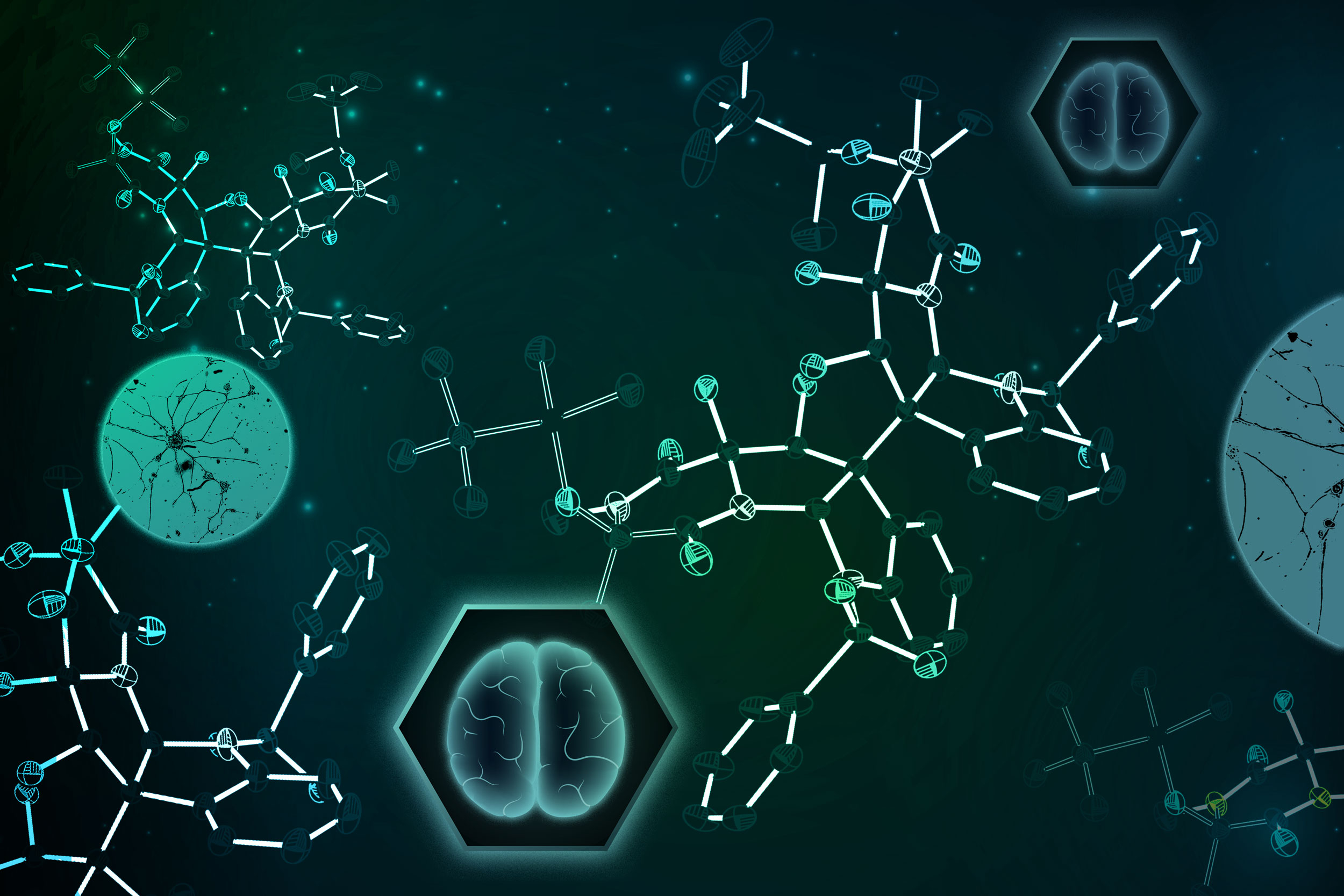 von Anne Trafton | MIT News am 3. Dezember 2025 um 5:00
Preliminary studies find derivatives of the compound, known as verticillin A, can kill some types of glioma cells.
- An improved way to detach cells from culture surfaces
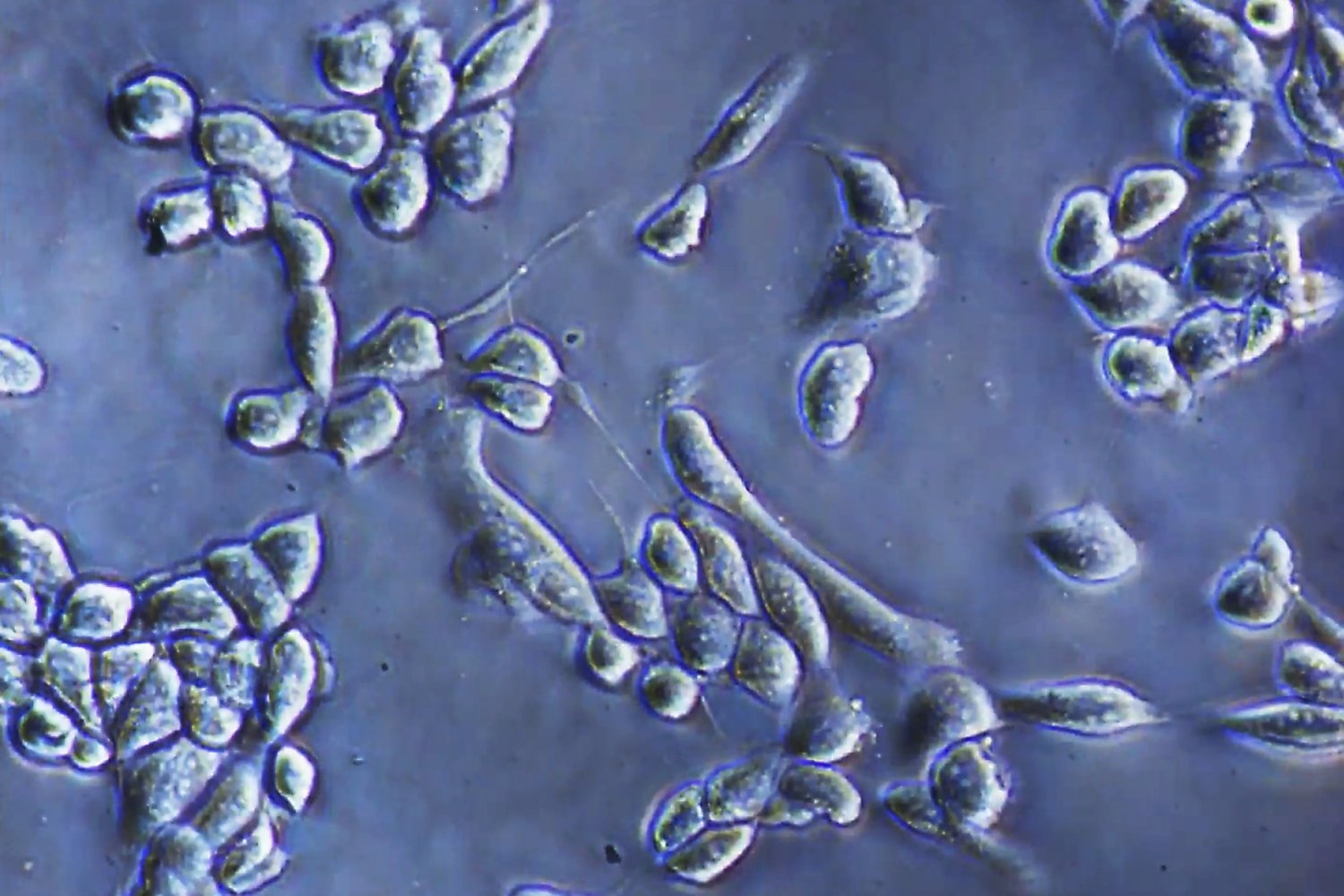 von Anne Wilson | Department of Mechanical Engineering am 18. November 2025 um 21:20
The approach could transform large-scale biomanufacturing by enabling automated and contamination-conscious workflows for cell therapies, tissue engineering, and regenerative medicine.
- Turning on an immune pathway in tumors could lead to their destruction
 von Anne Trafton | MIT News am 3. November 2025 um 20:00
MIT researchers show they can use messenger RNA to activate the pathway and trigger the immune system to attack tumors.
- New nanoparticles stimulate the immune system to attack ovarian tumors
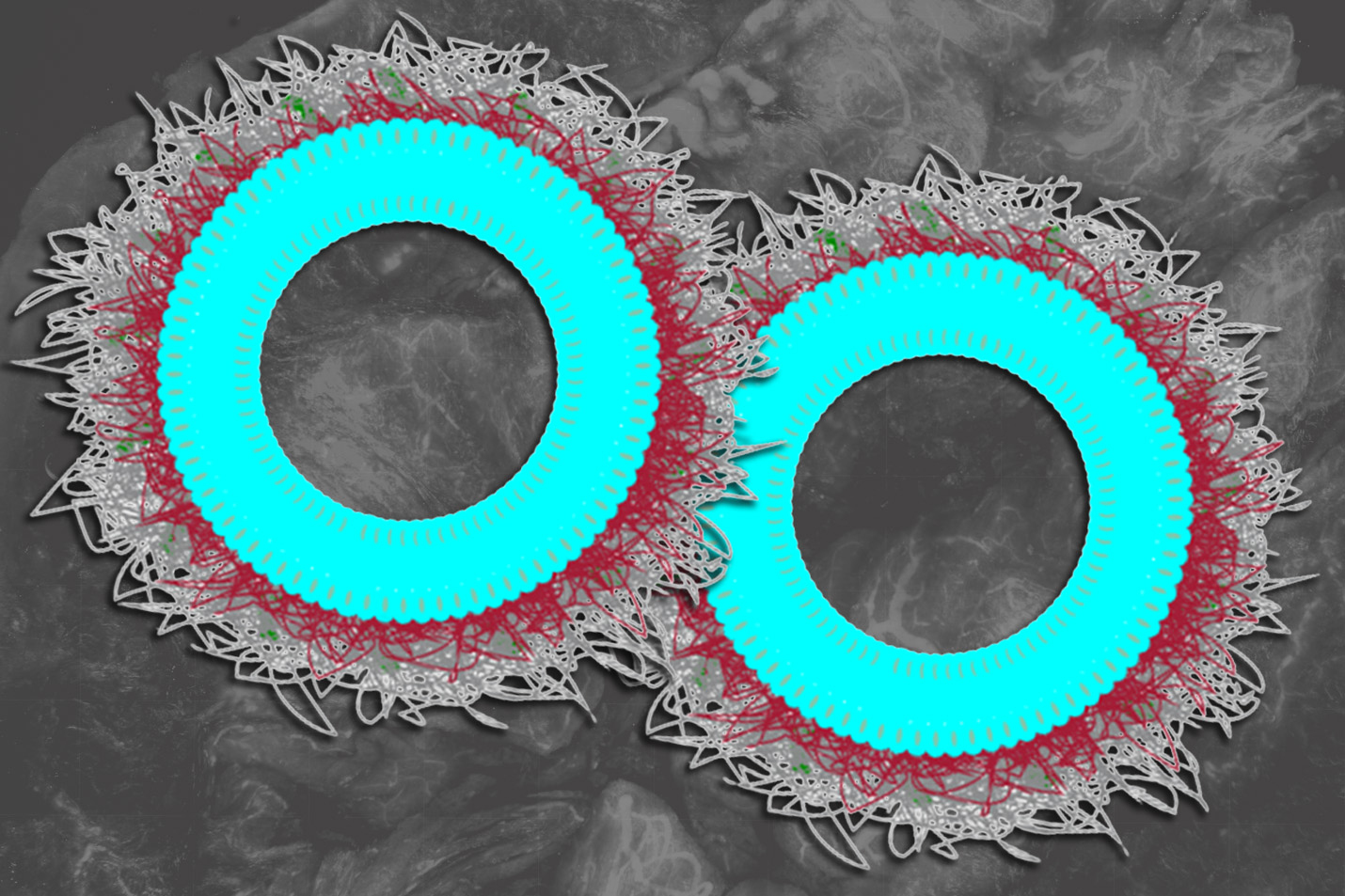 von Anne Trafton | MIT News am 31. Oktober 2025 um 10:00
Targeted particles carrying the cytokine IL-12 can jump-start T cells, allowing them to clear tumors while avoiding side effects.
- Startup’s tablets deliver cancer drugs more evenly over time
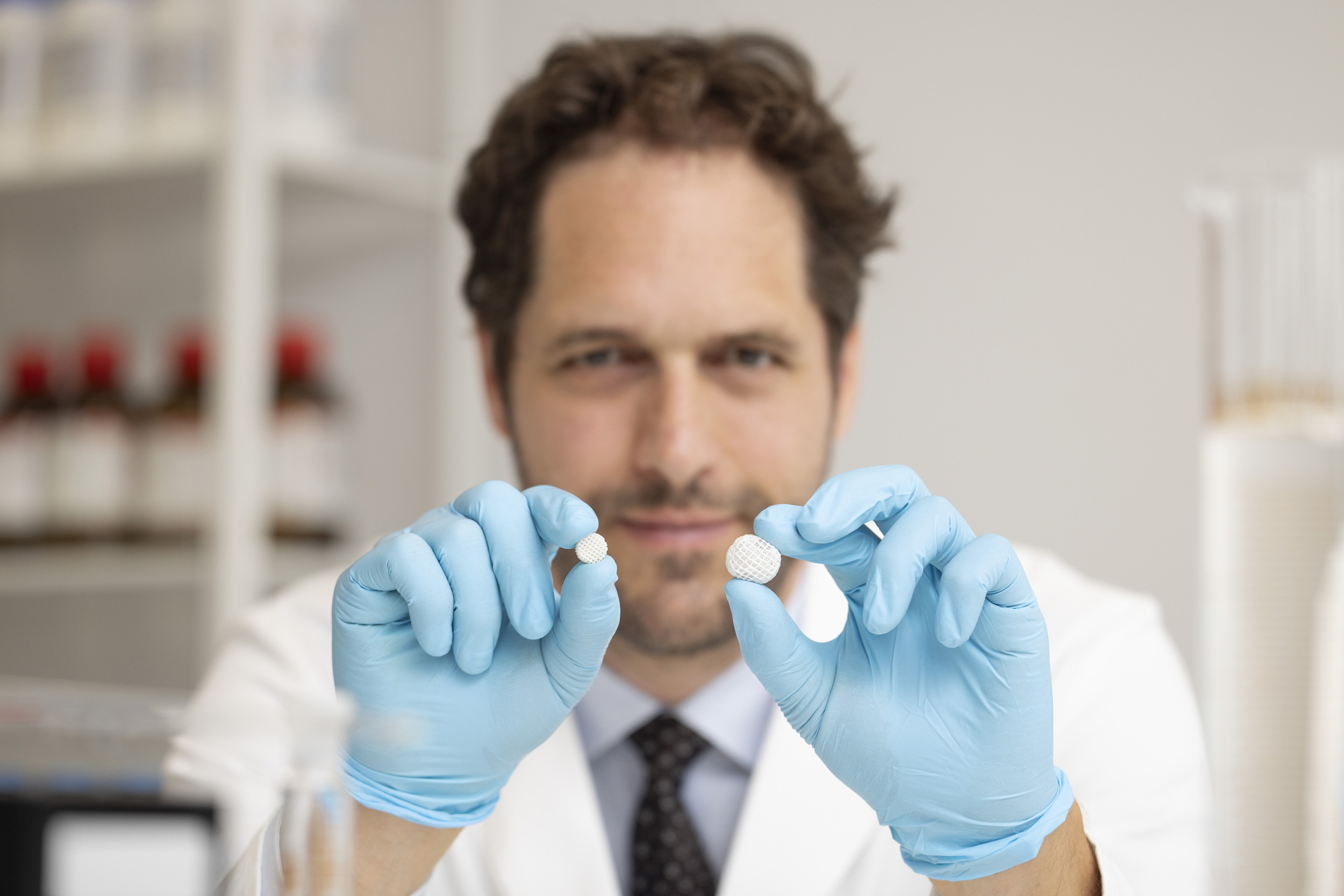 von Zach Winn | MIT News am 23. Oktober 2025 um 4:00
An MIT team’s technology could allow cancer drugs to be delivered more steadily into the bloodstream, to improve effectiveness and reduce side effects.
- Engineered “natural killer” cells could help fight cancer
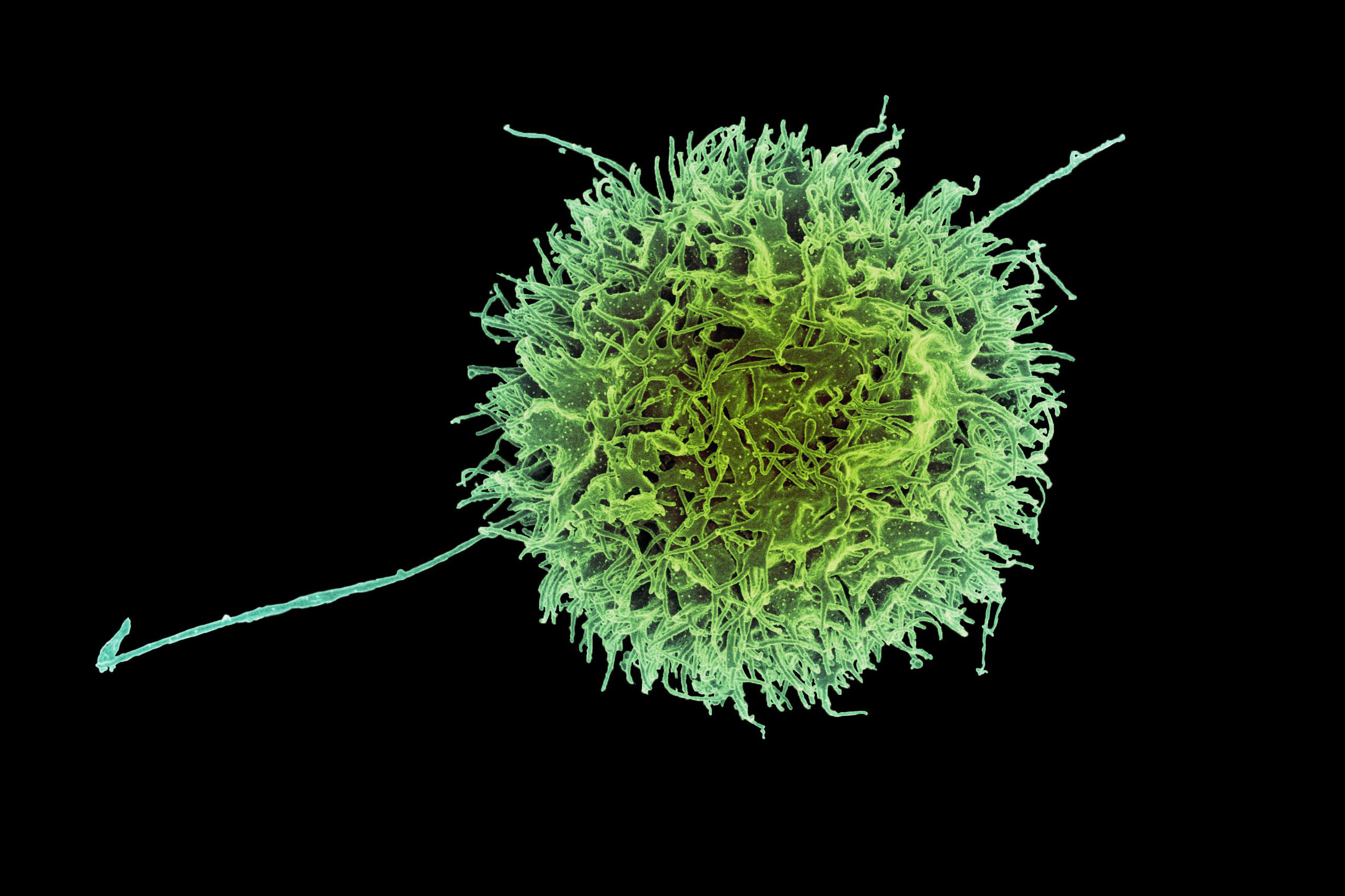 von Anne Trafton | MIT News am 8. Oktober 2025 um 9:00
A new study identifies genetic modifications that make these immune cells, known as CAR-NK cells, more effective at destroying cancer cells.
- A cysteine-rich diet may promote regeneration of the intestinal lining, study suggests
 von Anne Trafton | MIT News am 1. Oktober 2025 um 15:00
The findings may offer a new way to help heal tissue damage from radiation or chemotherapy treatment.
- Inflammation jolts “sleeping” cancer cells awake, enabling them to multiply again
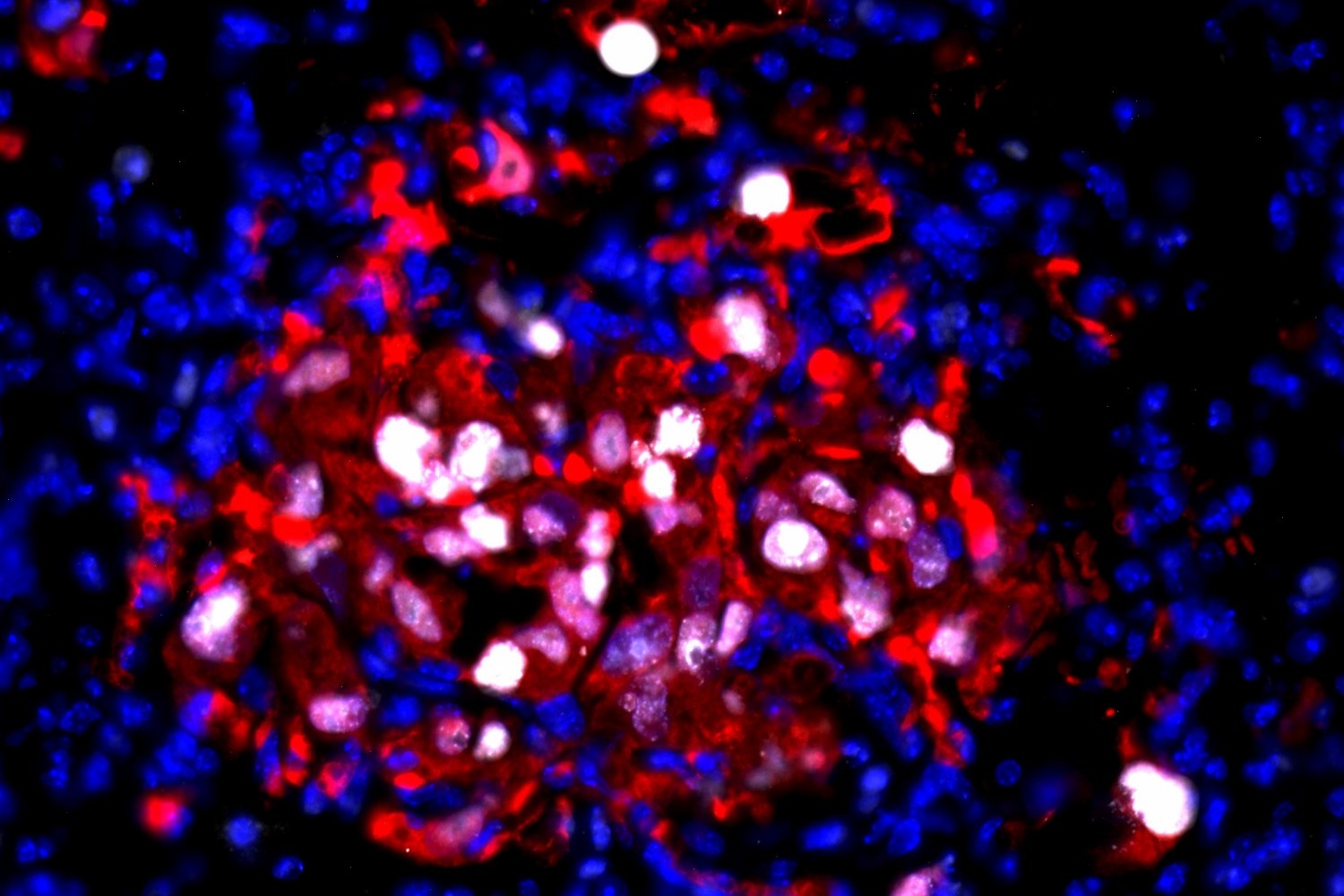 von Shafaq Zia | Whitehead Institute am 18. September 2025 um 19:40
Chemotherapy-induced injury of organ tissue causes inflammation that awakens dormant cancer cells, which may cause new tumors to form.
- “Bottlebrush” particles deliver big chemotherapy payloads directly to cancer cells
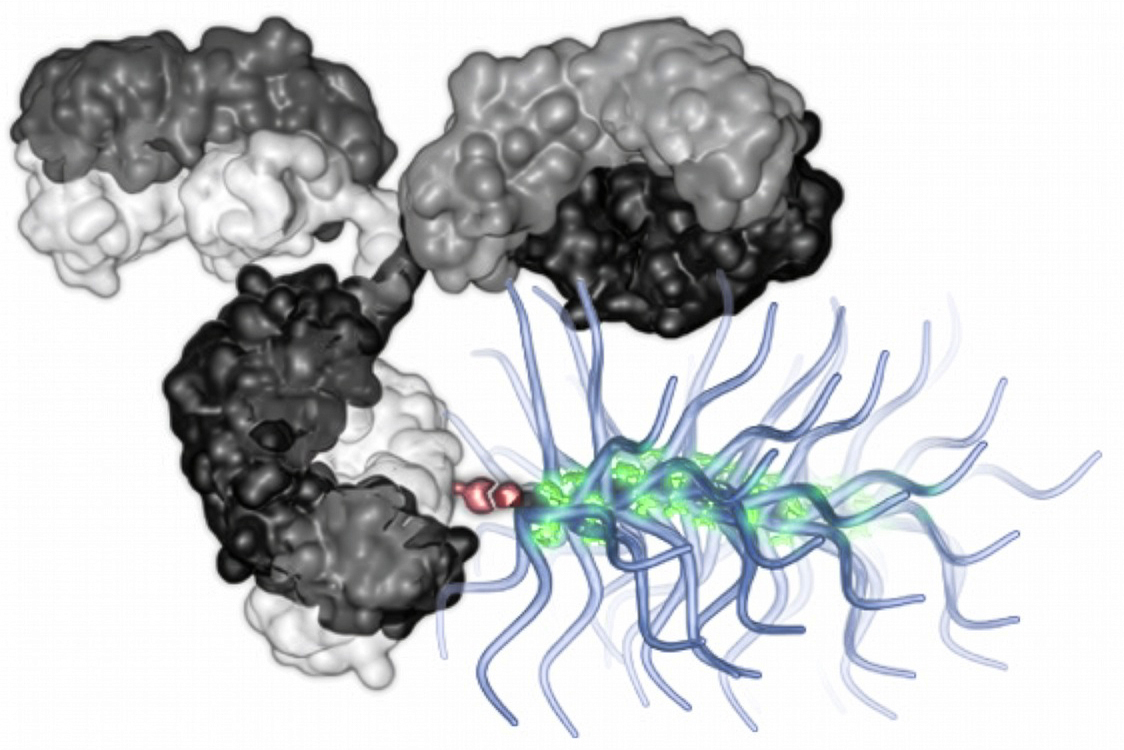 von Anne Trafton | MIT News am 9. September 2025 um 9:00
Outfitted with antibodies that guide them to the tumor site, the new nanoparticles could reduce the side effects of treatment.
- Mapping cells in time and space: New tool reveals a detailed history of tumor growth
 von Greta Friar | Whitehead Institute am 30. Juli 2025 um 21:00
Researchers developed a tool to recreate cells’ family trees. Comparing cells’ lineages and locations within a tumor provided insights into factors shaping tumor growth.
- New AI system uncovers hidden cell subtypes, boosts precision medicine
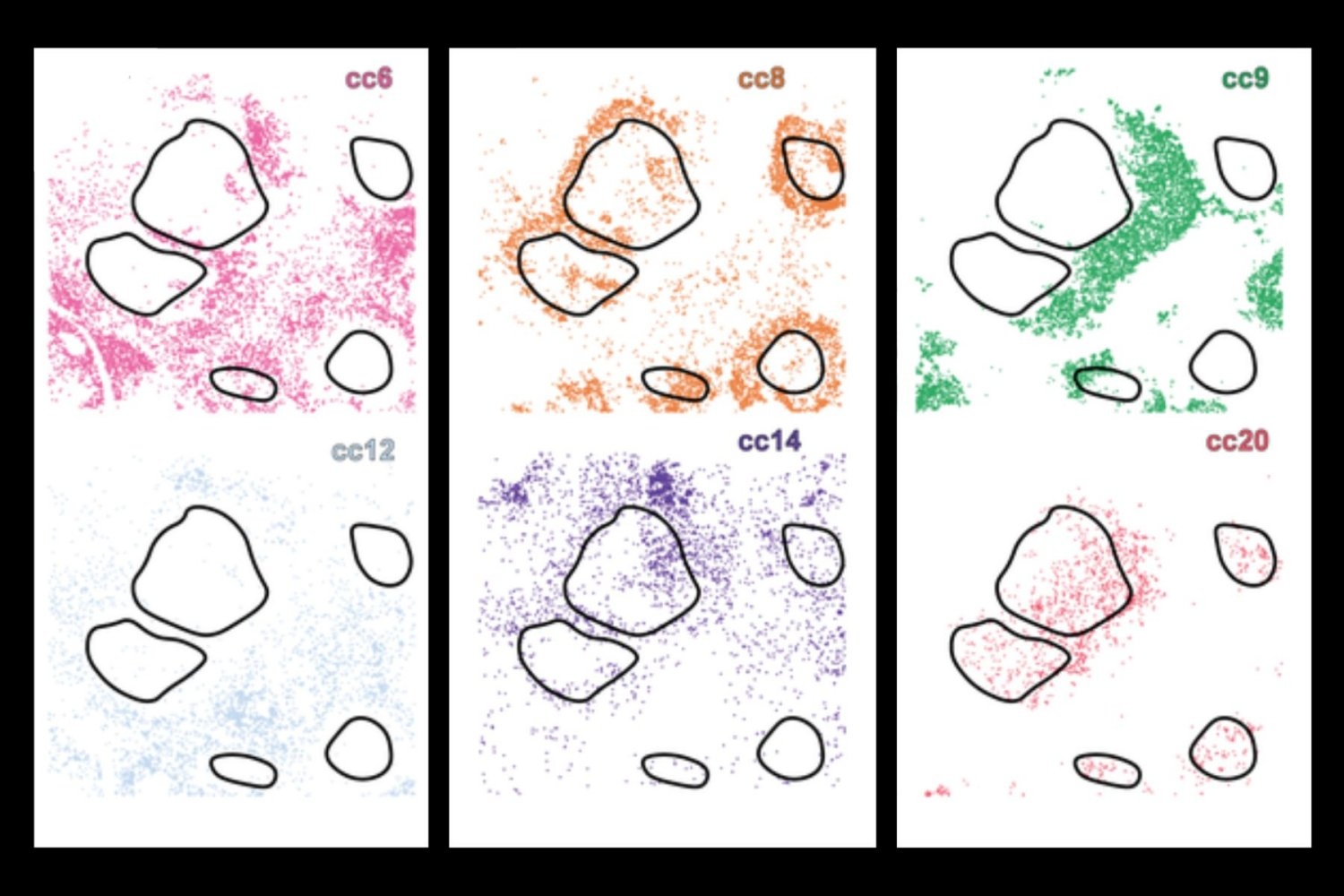 von Karen Baird | Department of Chemistry am 11. Juli 2025 um 18:40
CellLENS reveals hidden patterns in cell behavior within tissues, offering deeper insights into cell heterogeneity — vital for advancing cancer immunotherapy.
- MIT engineers develop electrochemical sensors for cheap, disposable diagnostics
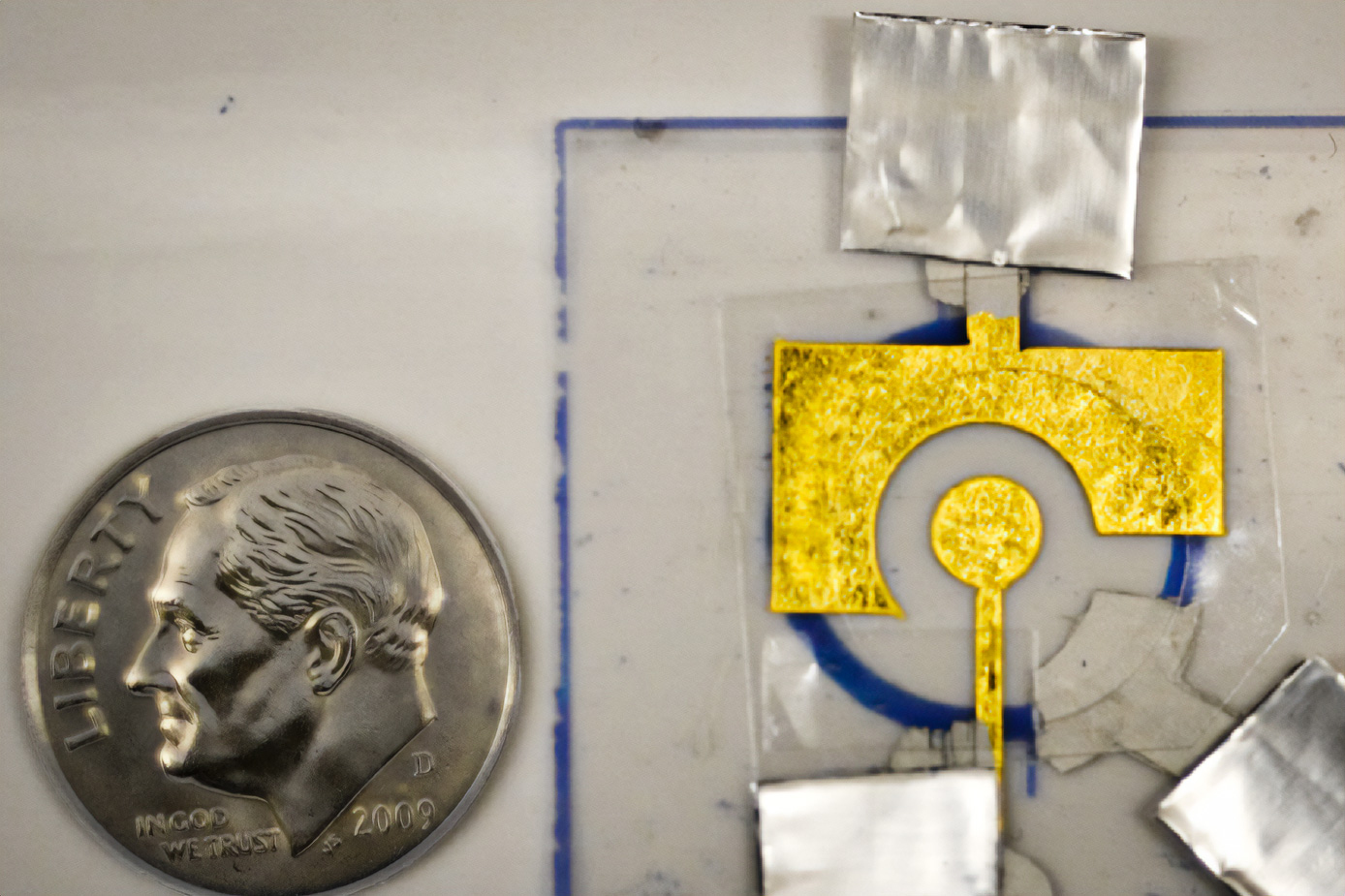 von Anne Trafton | MIT News am 1. Juli 2025 um 15:00
Electrodes coated with DNA could enable inexpensive tests with a long shelf-life, which could detect many diseases and be deployed in the doctor’s office or at home.
- MIT engineers uncover a surprising reason why tissues are flexible or rigid
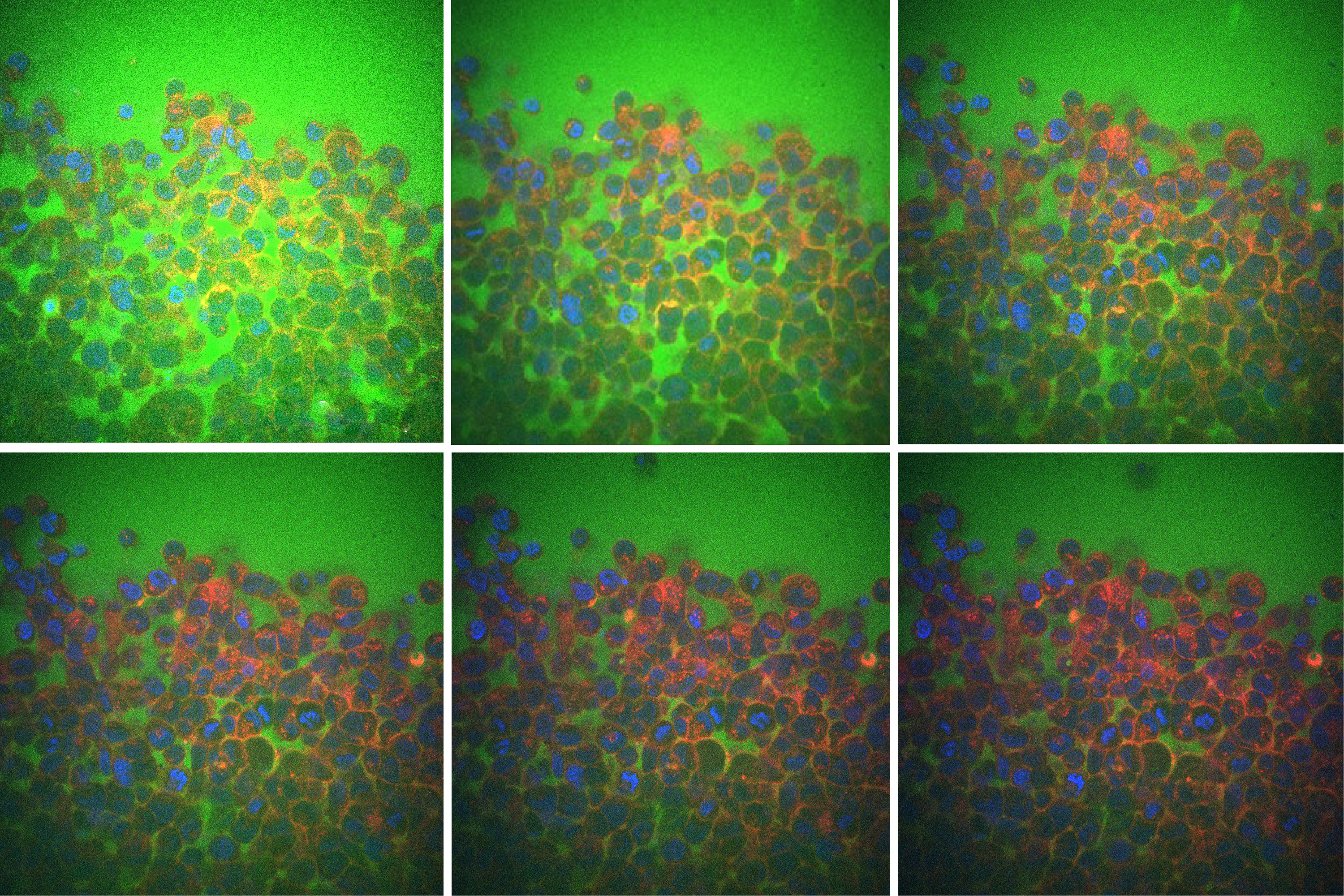 von Jennifer Chu | MIT News am 20. Juni 2025 um 9:00
Watery fluid between cells plays a major role, offering new insights into how organs and tissues adapt to aging, diabetes, cancer, and more.