
Biologie und Genetik am MIT
MIT News - Biology | Genetics | biophysics MIT news feed about: Biology | Genetics | biophysics
- Finding purpose through research
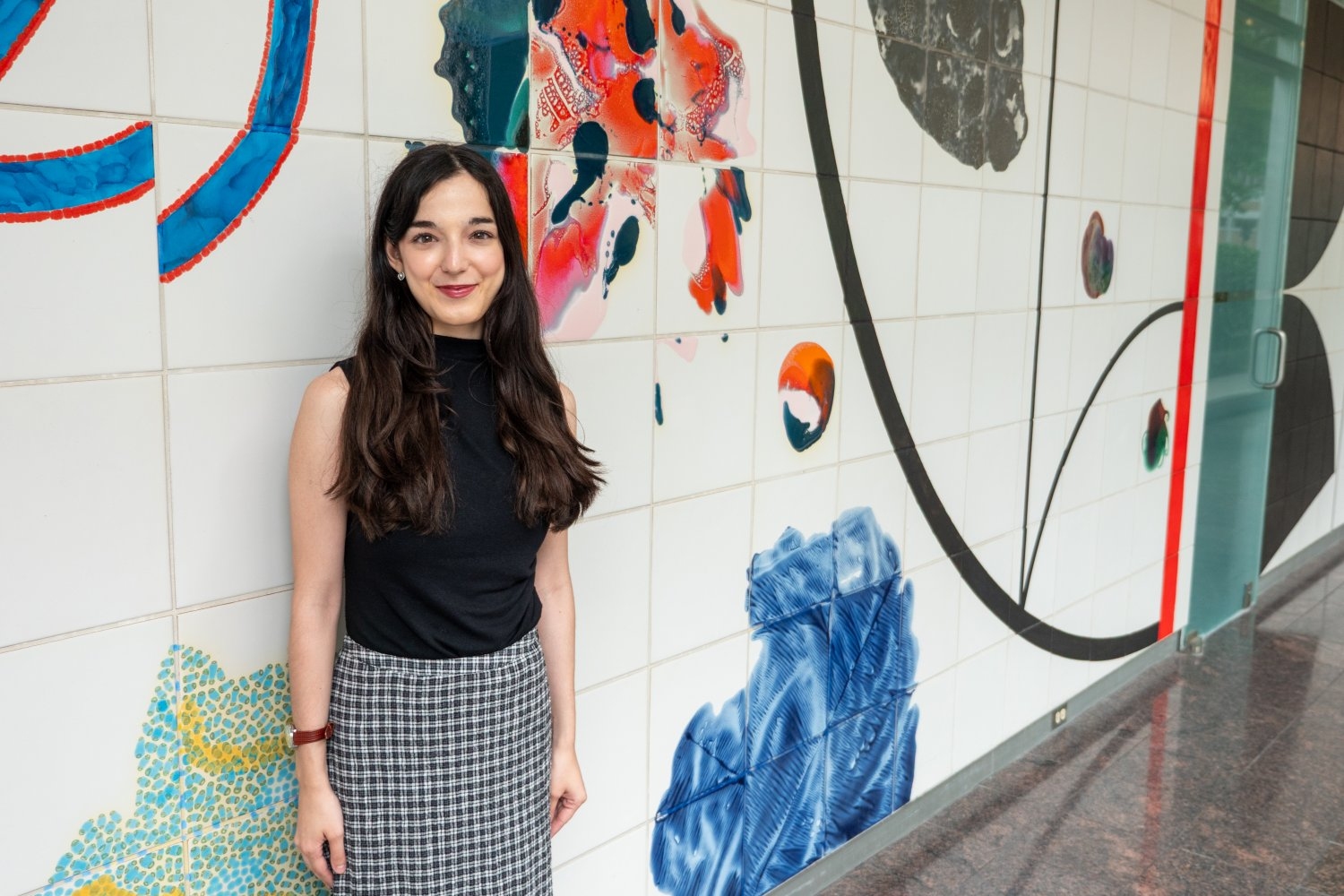 von Nina Tamburello | Koch Institute am 21. September 2026 um 20:35
This summer, BSG-MSRP-Bio student Marina Milea investigated how lung cancers become resistant to targeted therapies, gaining hands-on research experience in the Jacks Lab at the Koch Institute.
- Unmasking “zombie cells” in aging tissue with an AI-powered barcode
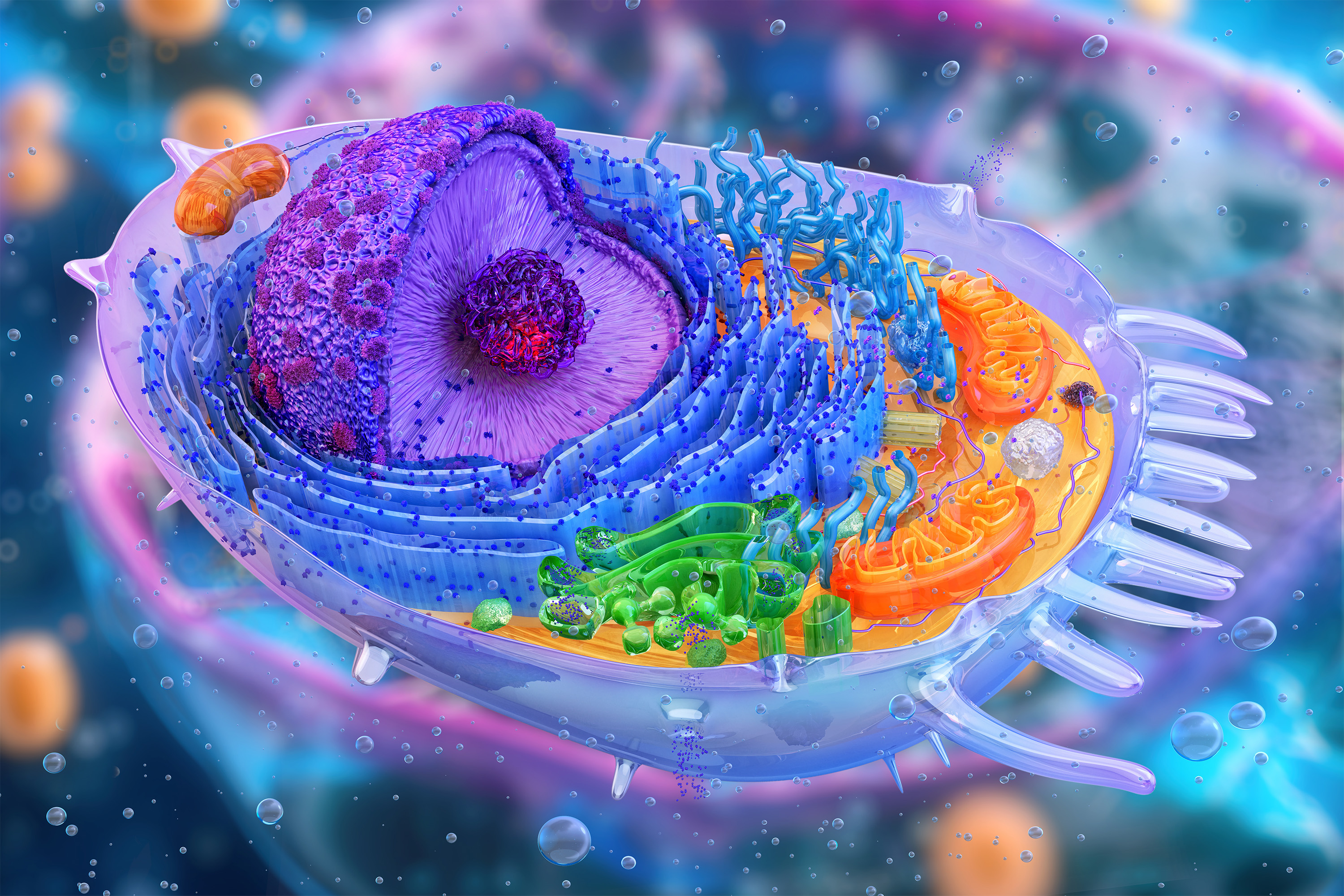 von Anne Trafton | MIT News am 21. September 2026 um 9:00
Tracking down senescent cells, which accumulate as we age, could help diagnose age-related disorders and guide researchers working on new treatments.
- Atlas of the brain’s striatum could guide researchers to new drug treatments
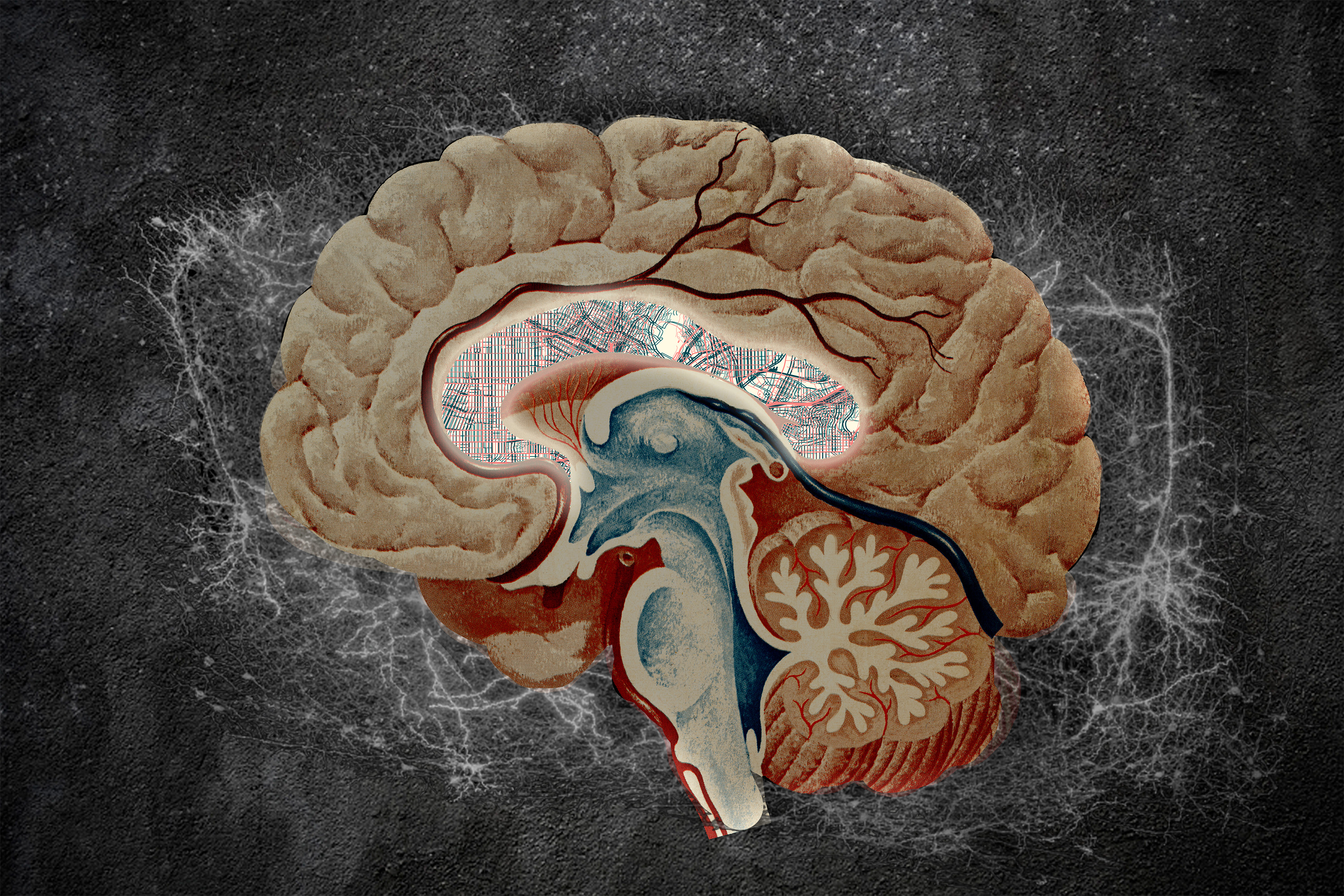 von Anne Trafton | MIT News am 1. September 2026 um 15:00
A new study reveals insights into populations of neurons affected by Huntington’s disease, schizophrenia, addiction, and other disorders.
- MIT Quantum Initiative launches postdoctoral fellowship program
 von Liam McDonnell | Office of Innovation and Strategy am 31. August 2026 um 19:30
The Institute welcomes its first cohort of QMIT Fellows this fall to advance interdisciplinary quantum research.
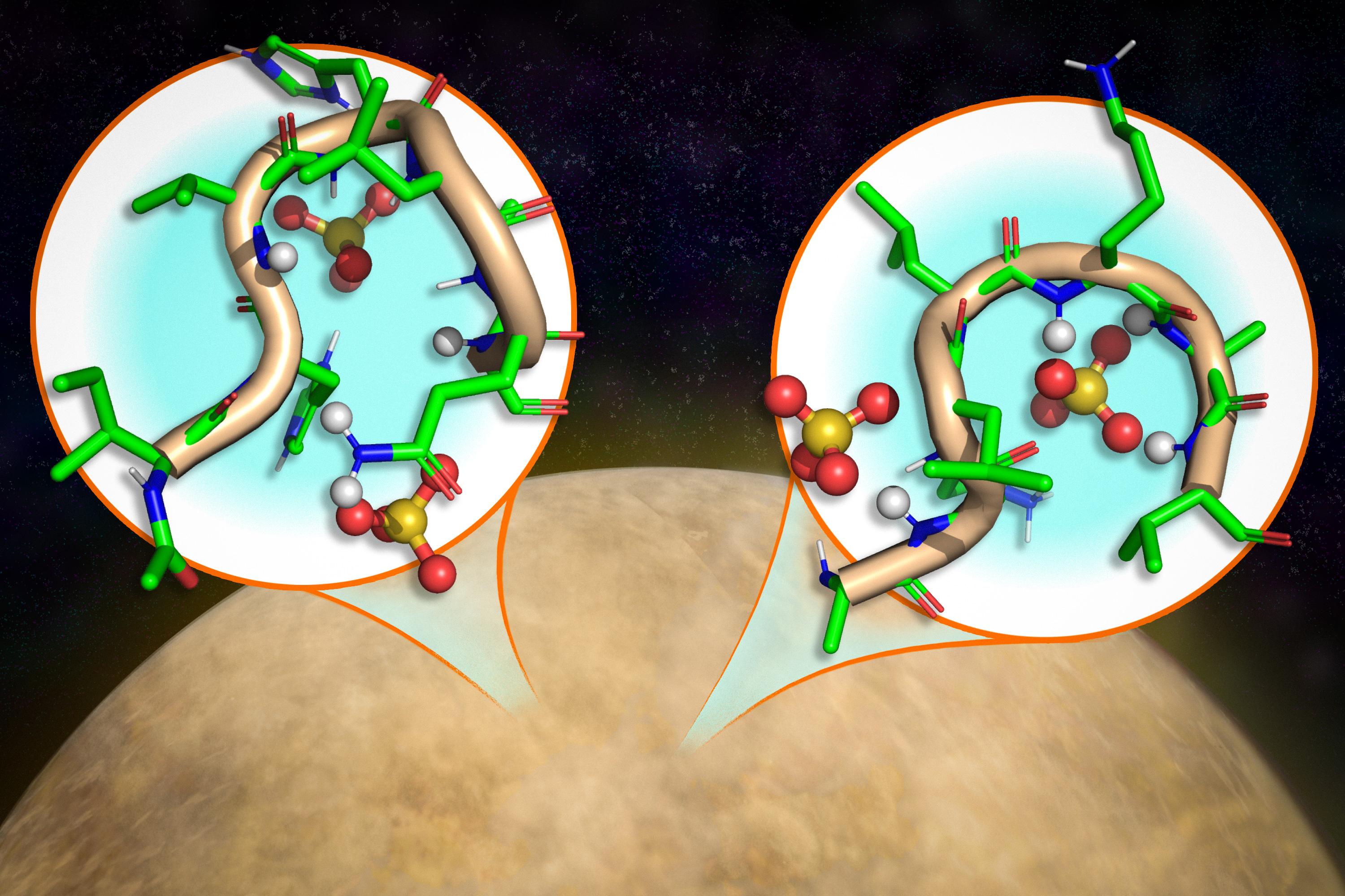
- Study: Peptides can form well-defined structures in harsh, Venus-like conditions
 von Anne Trafton | MIT News am 31. August 2026 um 19:00
New research offers support for the possibility that complex biological molecules could exist in the highly acidic environment of Venus’s cloud layer.
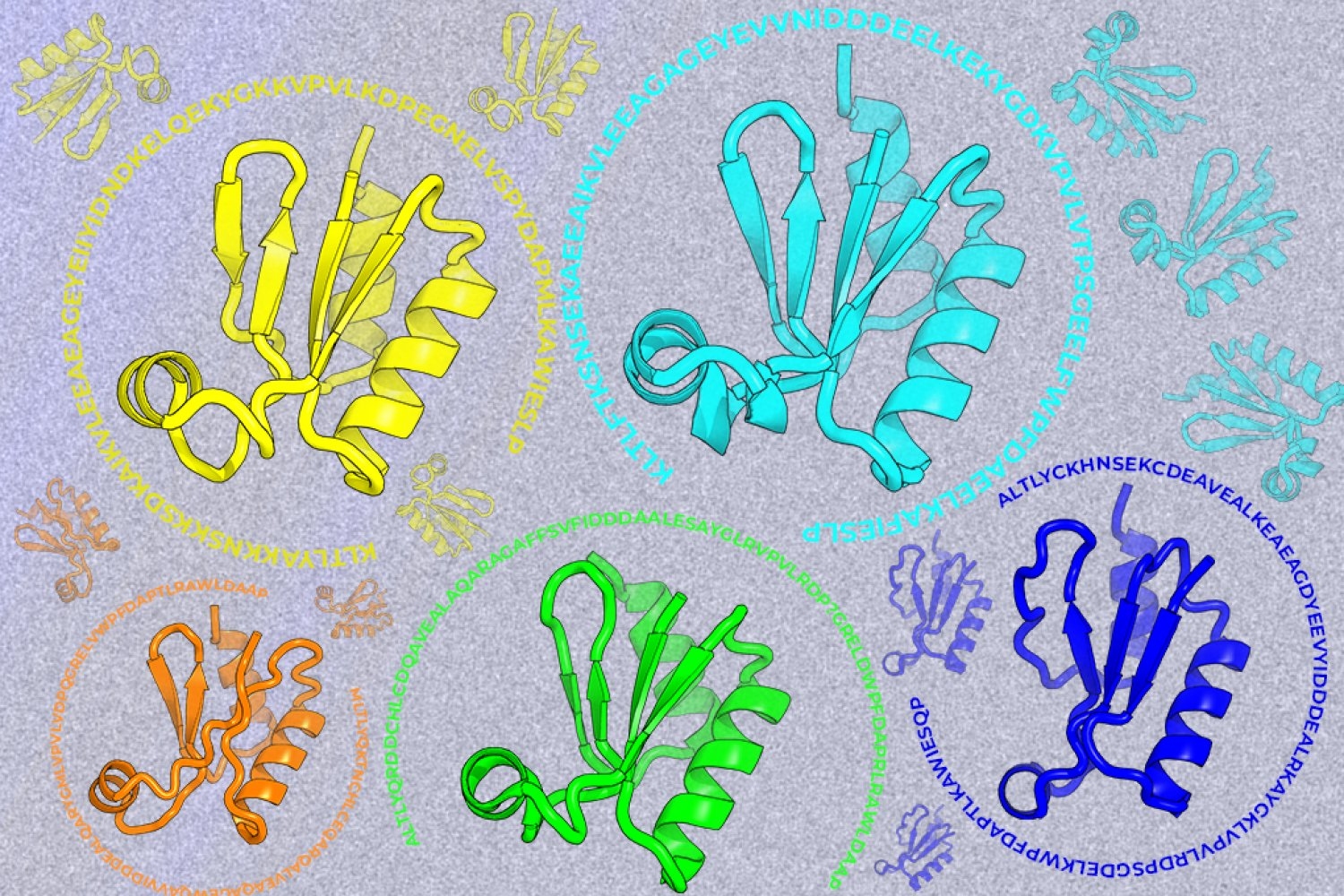
- Looking beyond natural sequences
 von Lillian Eden | Department of Biology am 27. August 2026 um 19:20
A new machine-learning framework aims to improve the success rate of computational protein design while moving away from results that reproduce sequences found in nature.
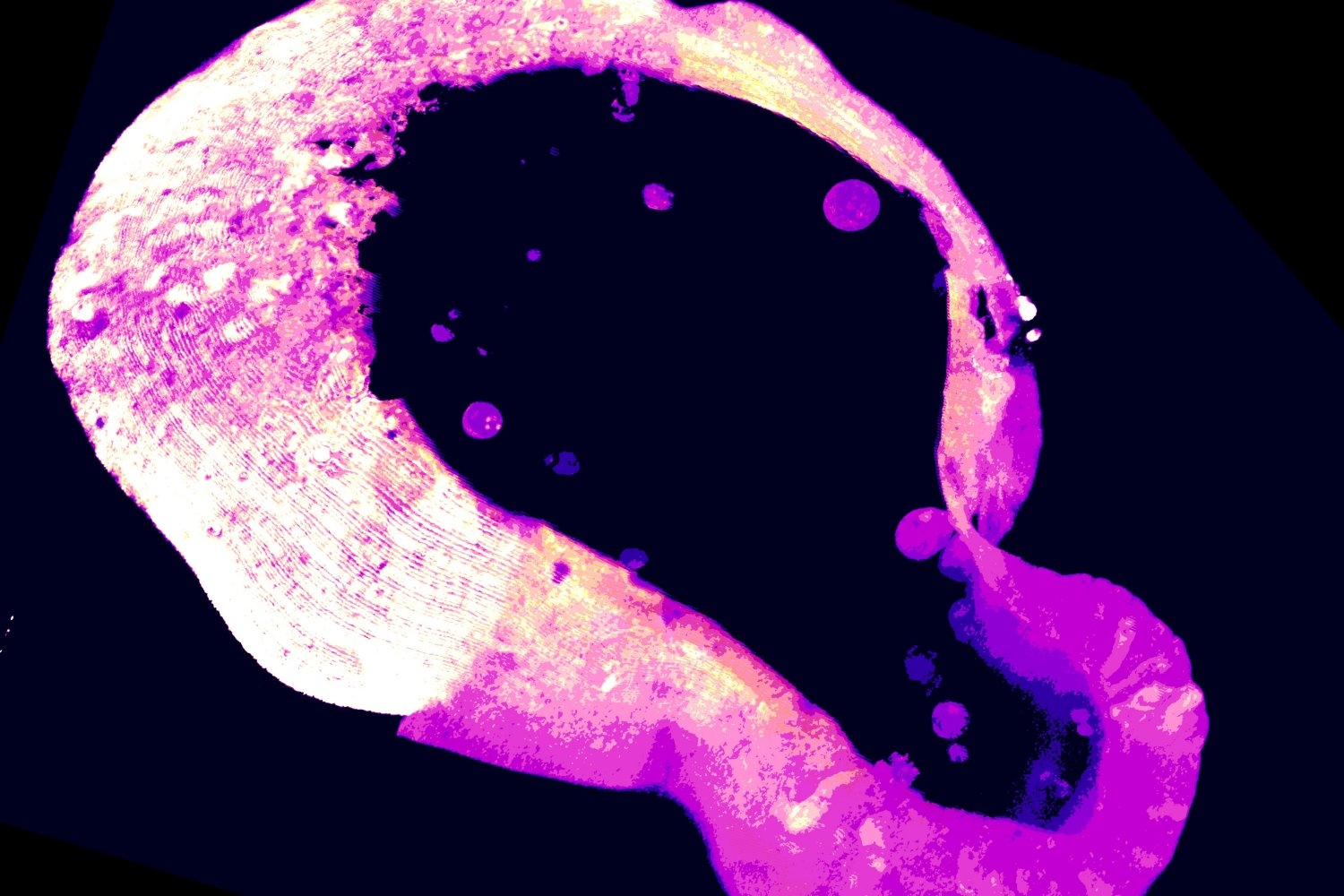
- Cells use a little-known molecule to protect themselves from iron overload
 von Shafaq Zia | Whitehead Institute am 25. August 2026 um 20:40
This discovery points toward new combination strategies against cancer, and may explain the iron buildup seen in disorders such as early-onset Parkinson’s disease.
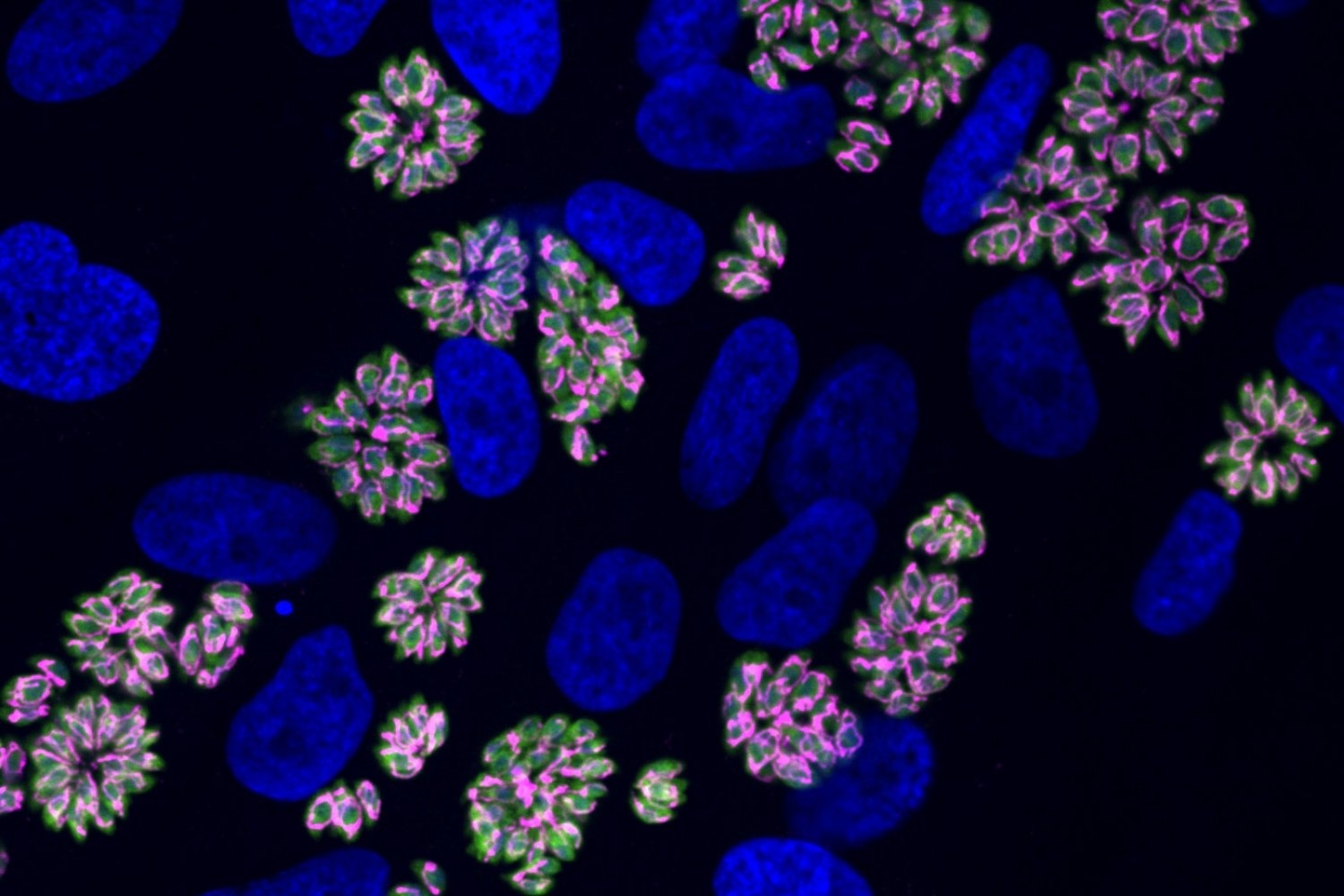
- How the Toxoplasma parasite adapts to crowded conditions in host cells
 von Mackenzie White | Whitehead Institute am 19. August 2026 um 17:50
A new study by Whitehead Institute researchers identifies how the widespread parasite Toxoplasma gondii survives in crowded environments in infected cells, which helps it persist in long-lasting brain cysts.
- Flipping the script on biology education, and scaling it up
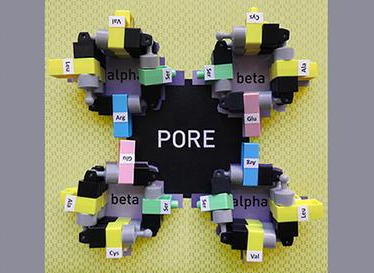 von Edgerton Center am 19. August 2026 um 15:20
Using a modular kit, the MIT Edgerton Center is bringing a hands-on biology curriculum to Massachusetts’ second-largest school district.
- DNA shaper steers nervous system development
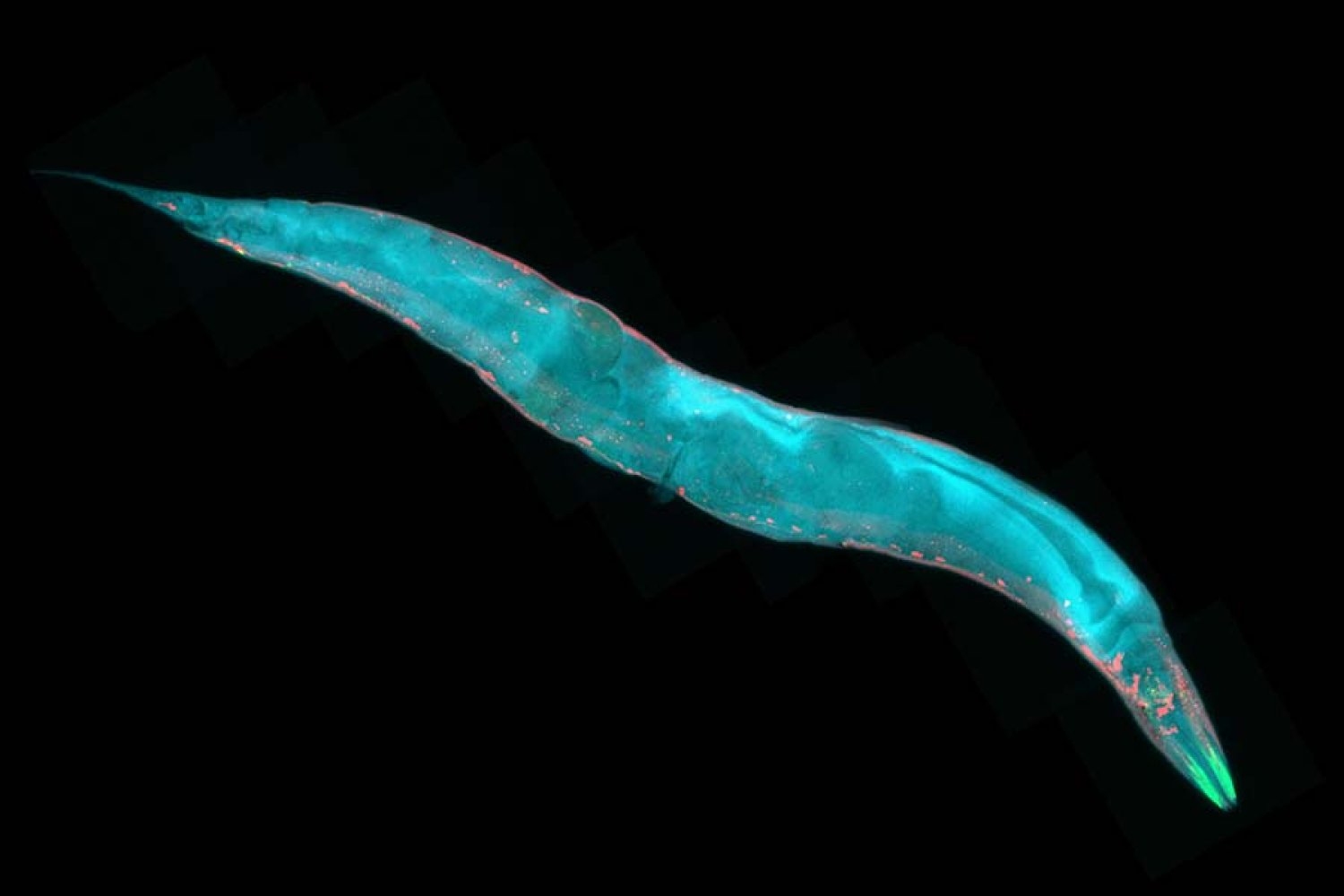 von Jennifer Michalowski | McGovern Institute for Brain Research am 17. August 2026 um 20:20
A study of worms finds a protein that helps shape the structure of the genome is critical for establishing the identity of some neurons.
- Mathematical framework connects biological principles to manufacturable, adaptive materials
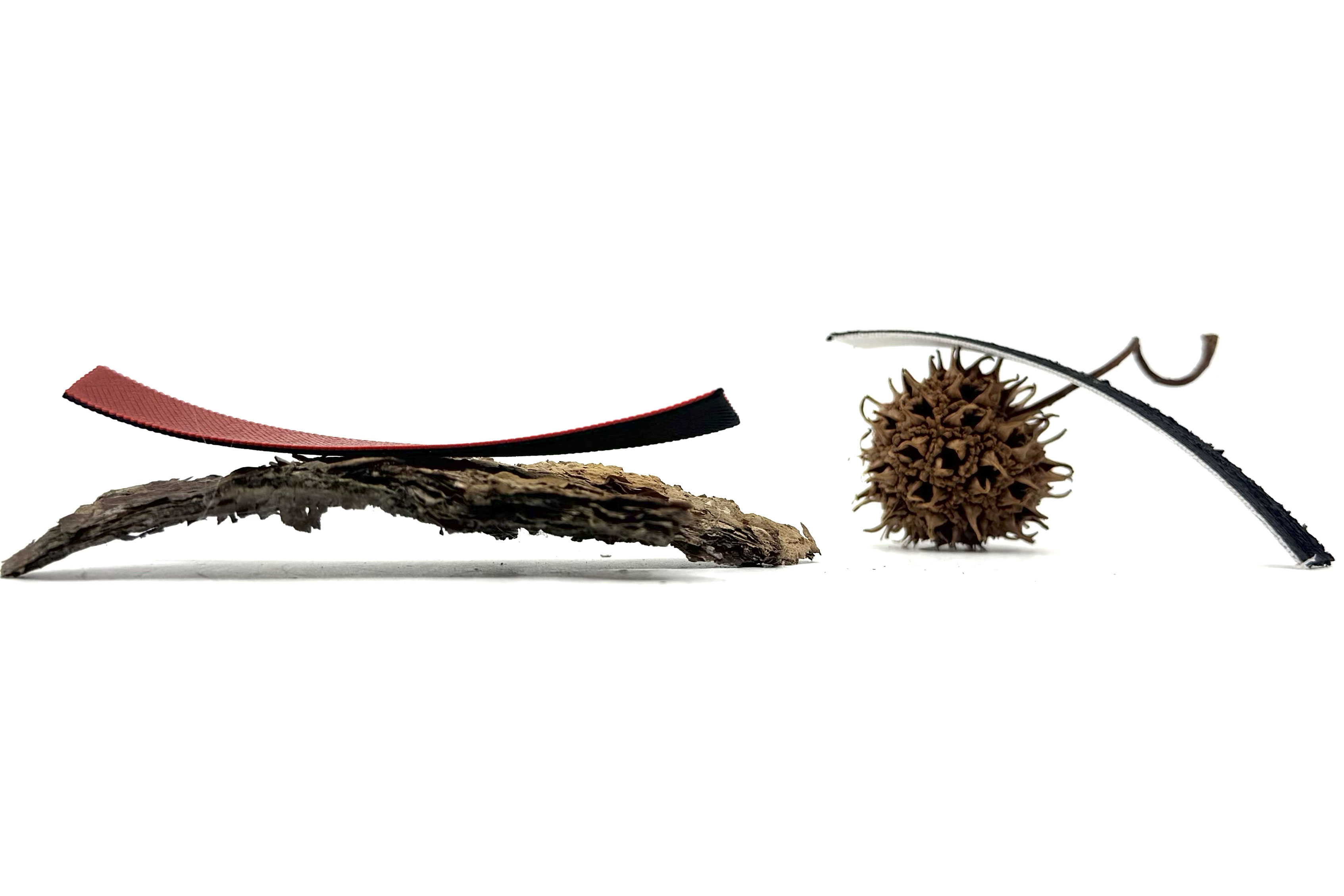 von Adam Zewe | MIT News am 17. August 2026 um 18:30
The new framework could streamline the design process of robotic grippers or aerospace components that exhibit complex behaviors found in nature.
- Cells pulse together as they grow — and malignant cells pulse the longest
 von Jennifer Chu | MIT News am 14. August 2026 um 15:00
MIT researchers discovered a cellular dance that may offer clues to the development of cancer, asthma, and other diseases.
- Scientists unveil more than 600 new tissue models of human cancer
 von Anne Trafton | MIT News am 5. August 2026 um 15:00
Derived from patient tumor samples and available to researchers around the world, the cells will aid the development of new cancer treatments.
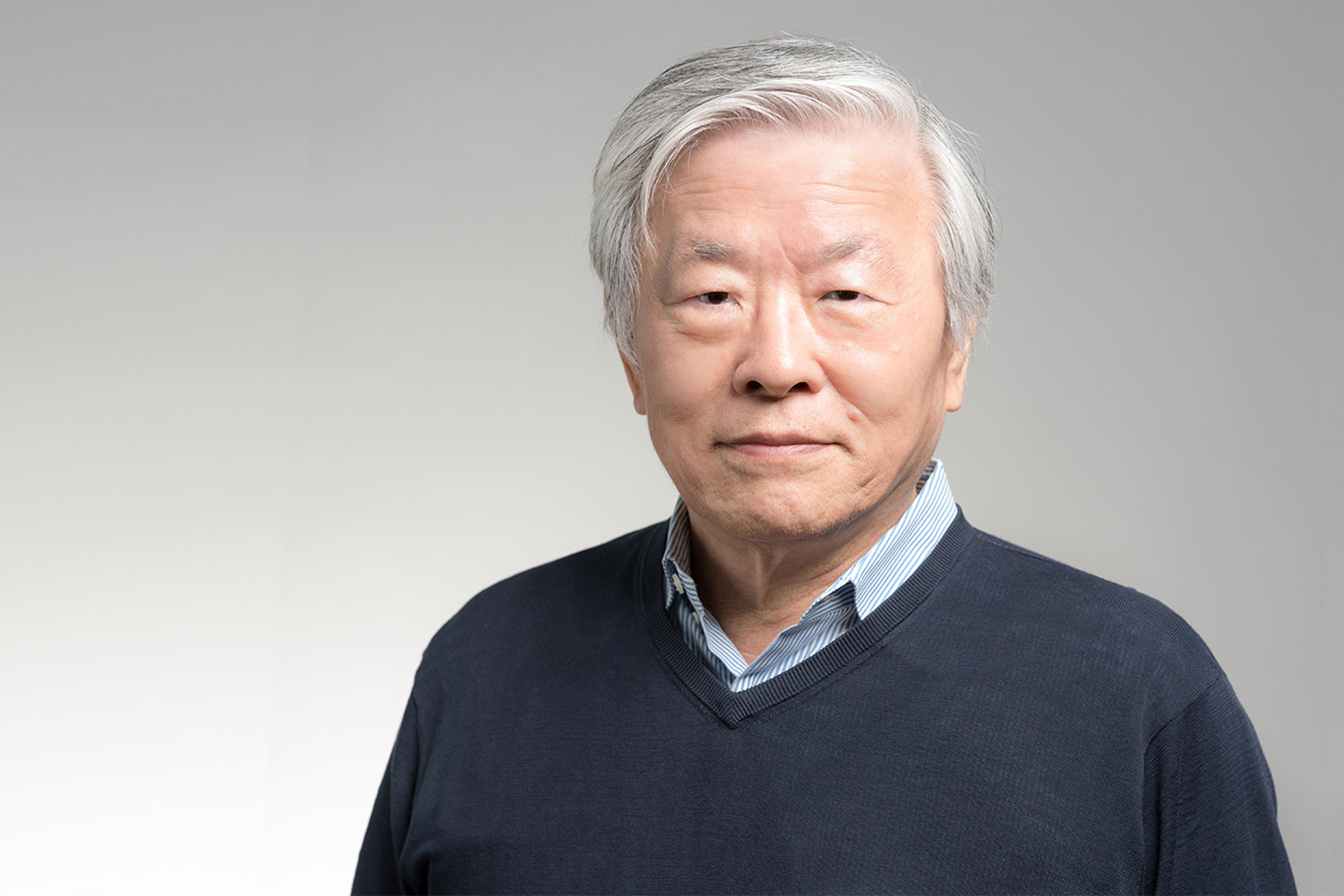
- MIT Professor Susumu Tonegawa, renowned molecular biologist and Nobel laureate, dies at 86
 von Anne Trafton | MIT News am 15. Juli 2026 um 19:00
Tonegawa made landmark discoveries about how the immune system generates antibody diversity and how the brain forms memories.
- Ketogenic diets may increase cancer risk in the small intestine
 von Anne Trafton | MIT News am 15. Juli 2026 um 15:00
MIT researchers have found that a ketogenic high-fat, low-carbohydrate diet fuels the growth of intestinal tumors.
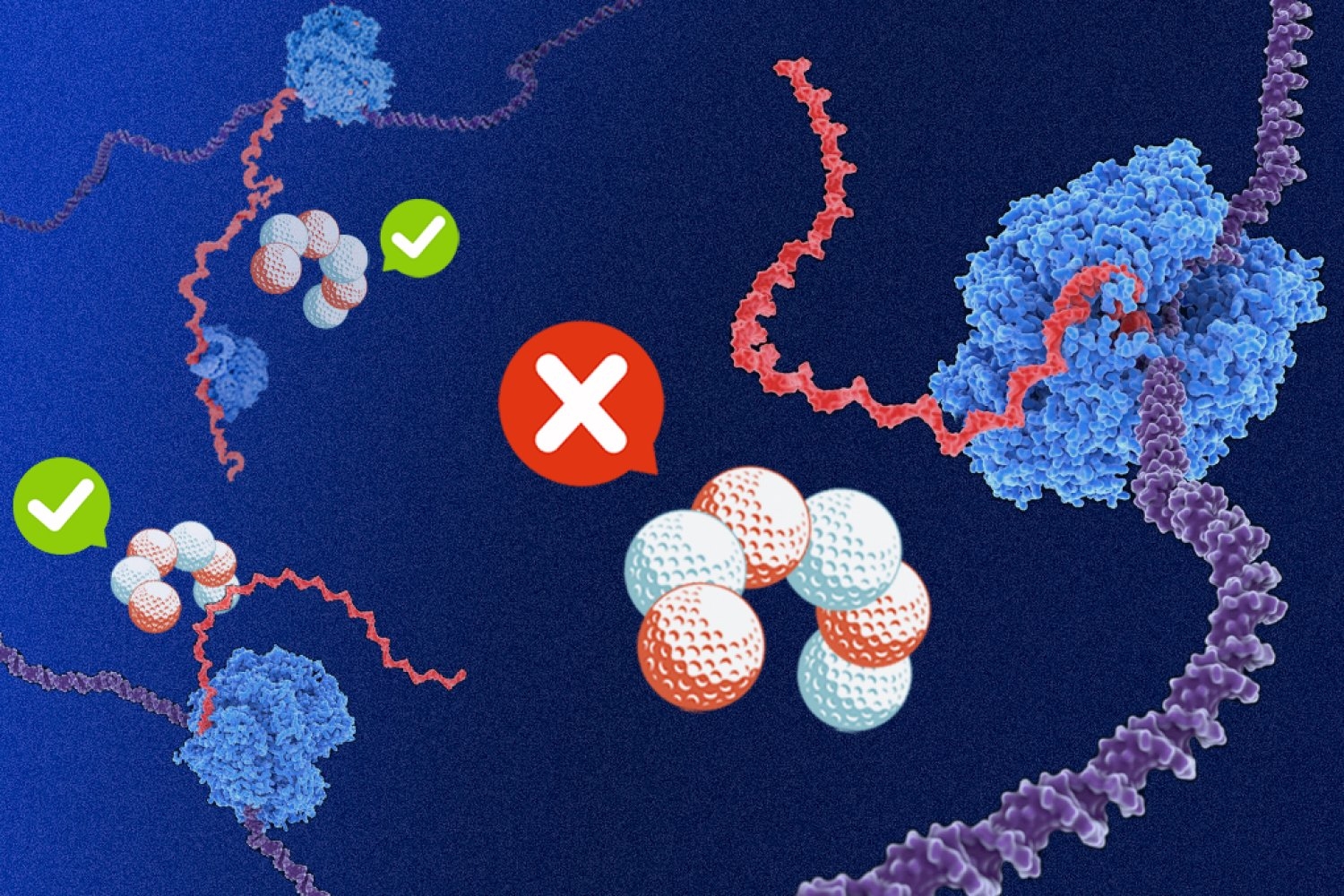
- Why are some bacterial genes high in purines?
 von Lillian Eden | Department of Biology am 2. Juli 2026 um 17:00
In certain species of bacteria, the answer lies in shielding RNA transcripts from a quality-control factor called Rho. Understanding the requirements for expressible sequences is critical for expression engineering of therapeutic agents.
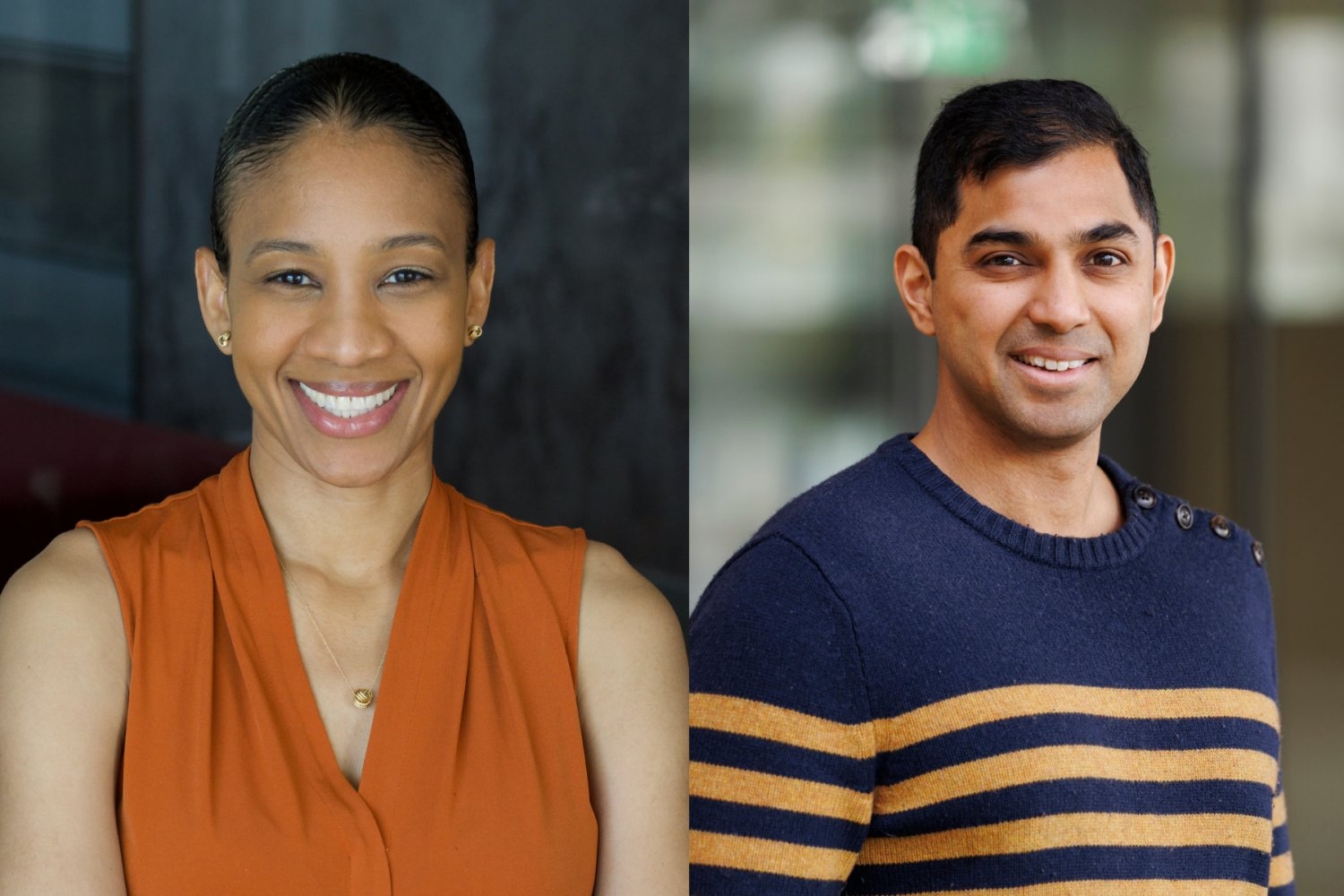
- Two MIT faculty members named 2026 Pew Biomedical Scholars
 von Nina Tamburello | Nikolay Kolev | Koch Institute | Ragon Institute am 29. Juni 2026 um 19:00
Cell biologist Whitney Henry and immunologist Harikesh Wong will receive four years of flexible funding to advance early-career research on ferroptosis and immune decision-making.
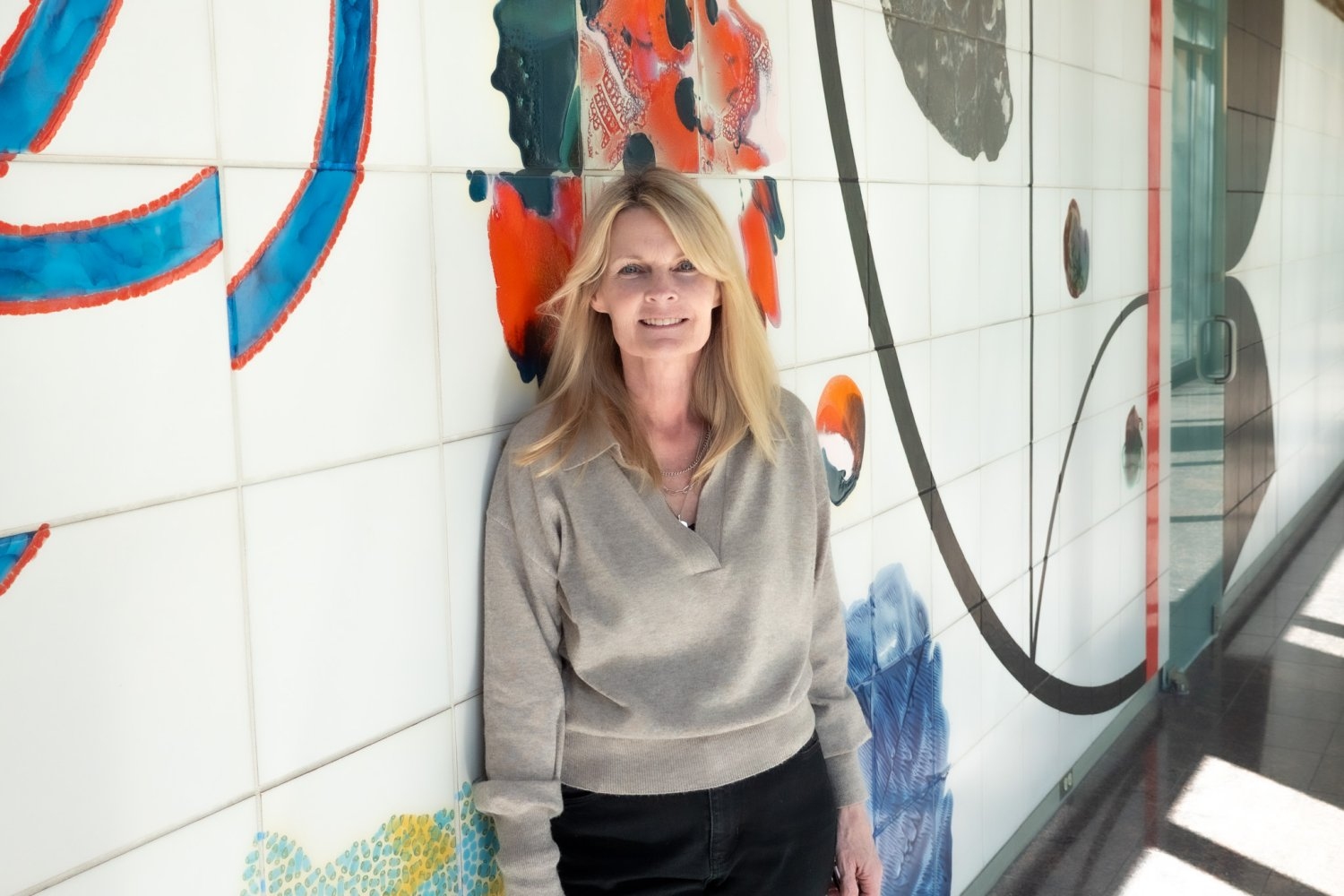
- Meet the leader of the Department of Biology’s all-important “kitchen”
 von Samantha Edelen | Department of Biology am 22. Juni 2026 um 20:30
Karen O’Leary, lab associate and acting supervisor in the Glassware Sterilization Facility (a.k.a. “the kitchen”), has become a cornerstone of the department’s operations.
- QS ranks MIT the world’s No. 1 university for 2026-27
 von MIT News am 17. Juni 2026 um 23:01
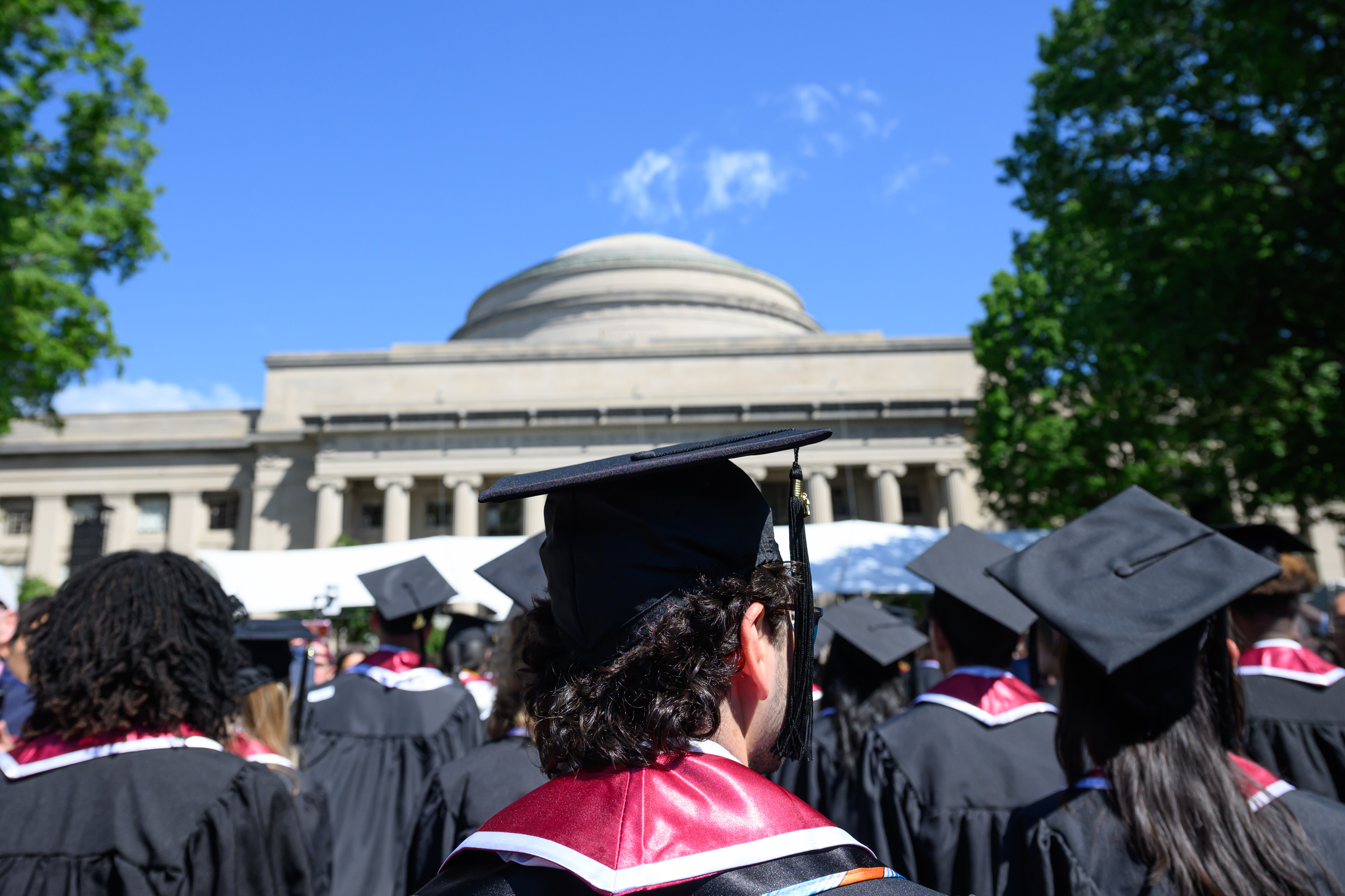
Ranking at the top for the 15th year in a row, the Institute also places first in 12 subject areas.
- Harriet having it all
 von Lillian Eden | Department of Biology am 12. Juni 2026 um 15:40
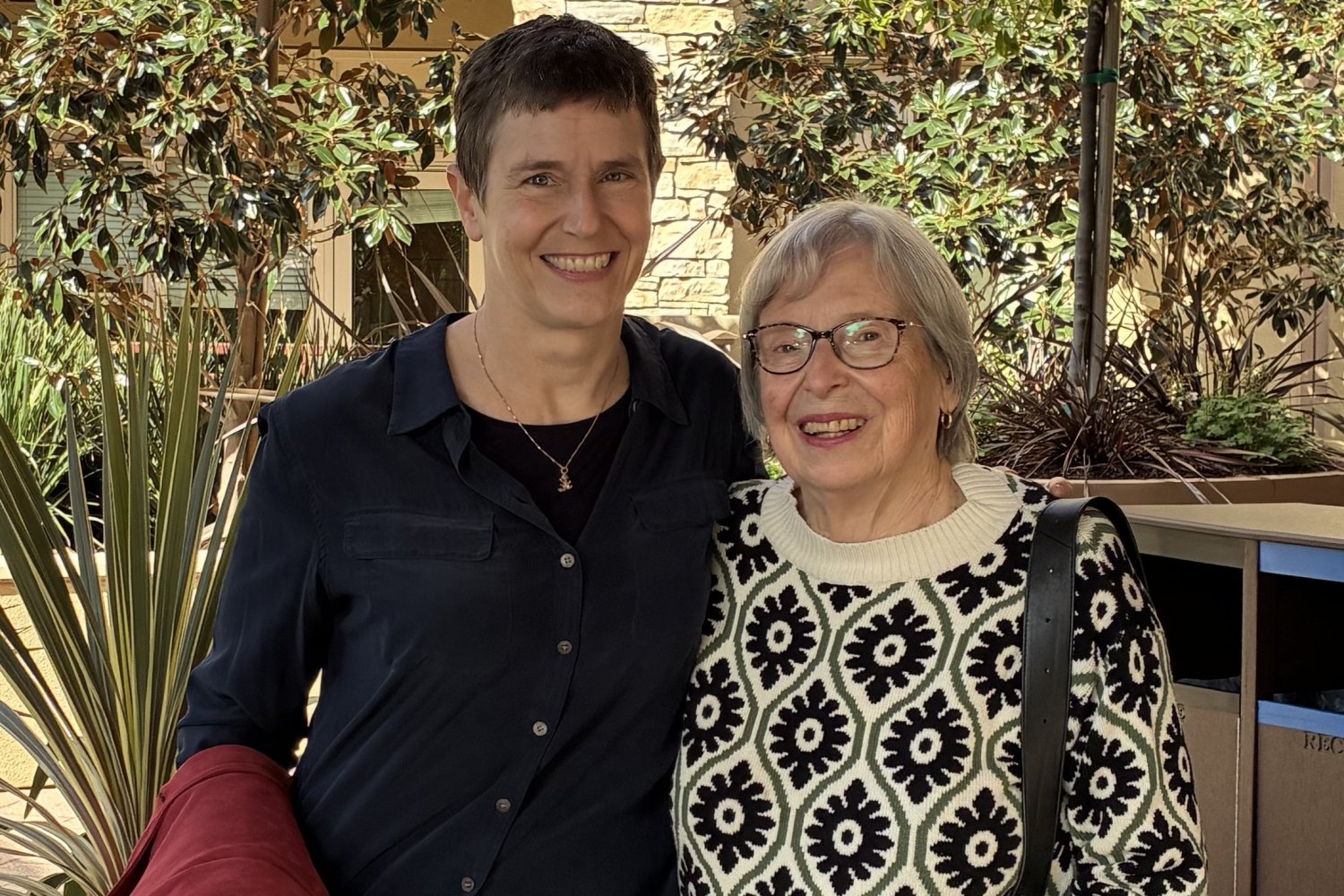
From Boston to Moscow and across the U.S., Harriet Latham Robinson SM ’61, PhD ’65 has balanced an exciting career at the forefront of molecular biology with family, friends, and adventure.
- Advancing stem cell research and building the next generation of biologists
 von Stefanie Koperniak | Division of Graduate and Undergraduate Education am 11. Juni 2026 um 4:00
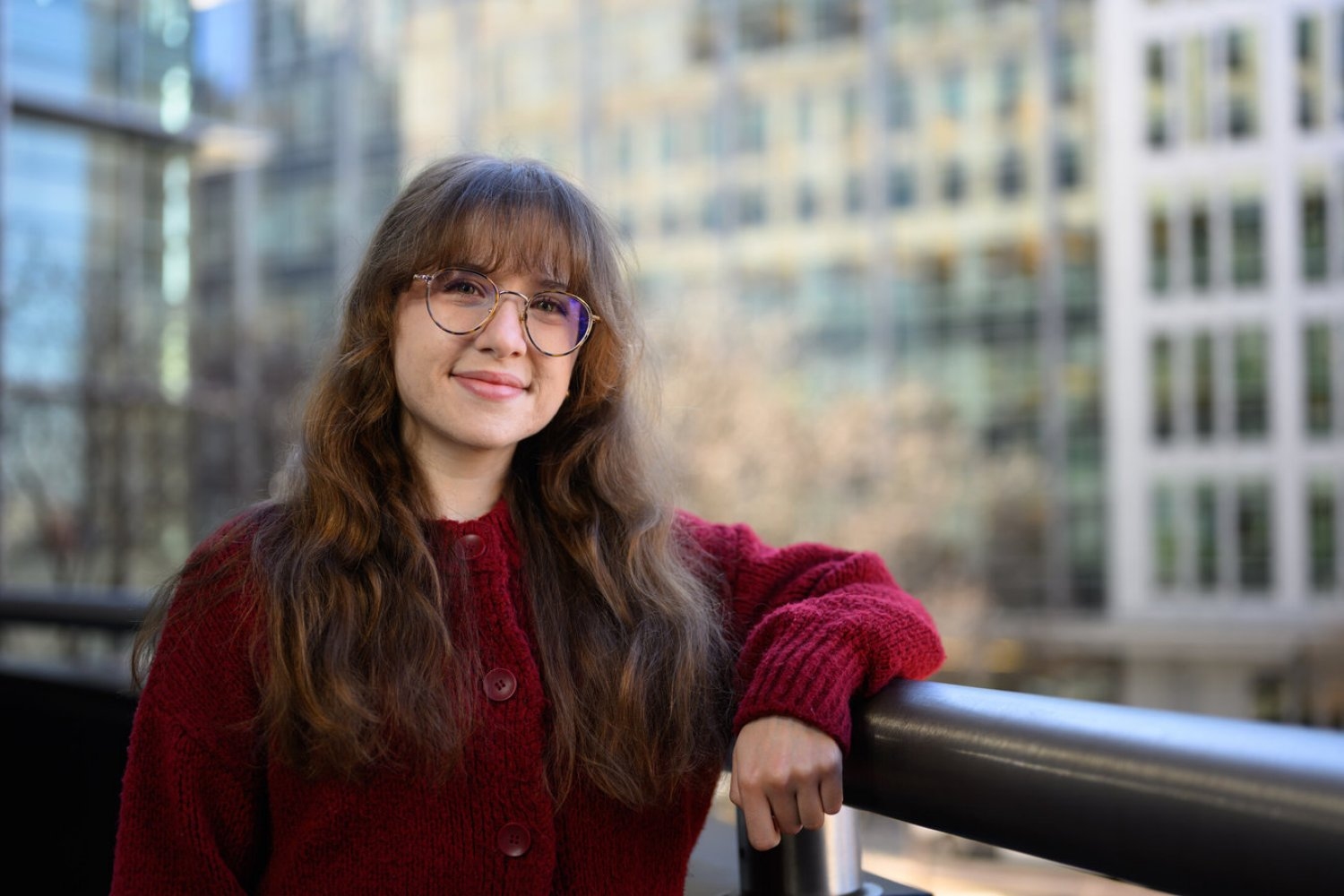
Biology PhD student Giselle Valdes studies stem cell regeneration while encouraging aspiring students and researchers.
- MIT affiliates win 2026 Breakthrough, New Horizons prizes
 von School of Science am 8. Juni 2026 um 20:40
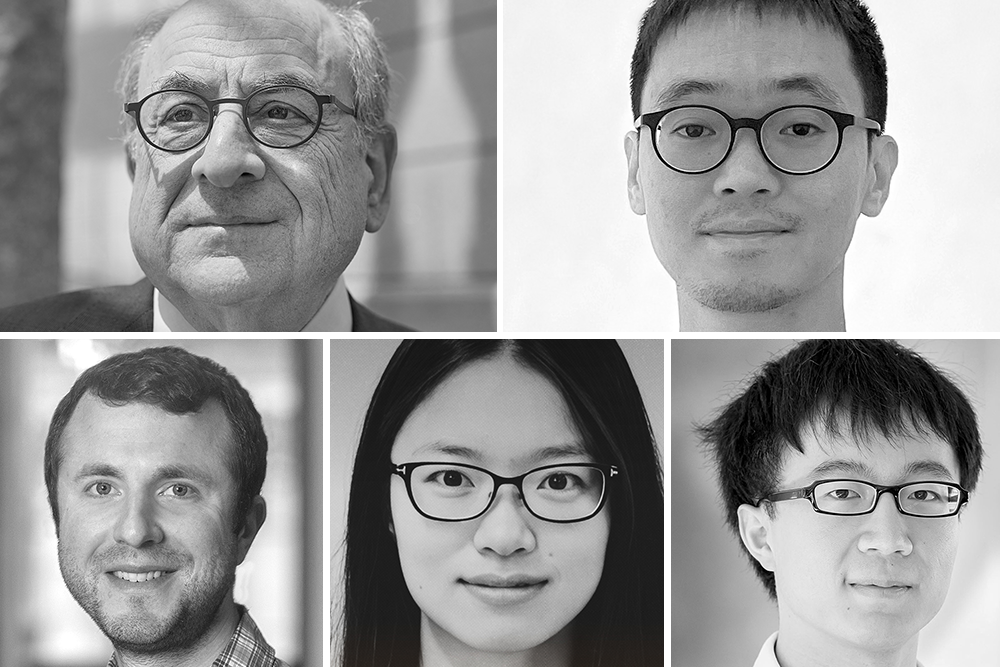
Faculty member Shu-Heng Shao, in addition to four MIT alumni, are honored by the Breakthrough Prize Foundation.
- Ultrasound-based pacemaker noninvasively steadies the heart
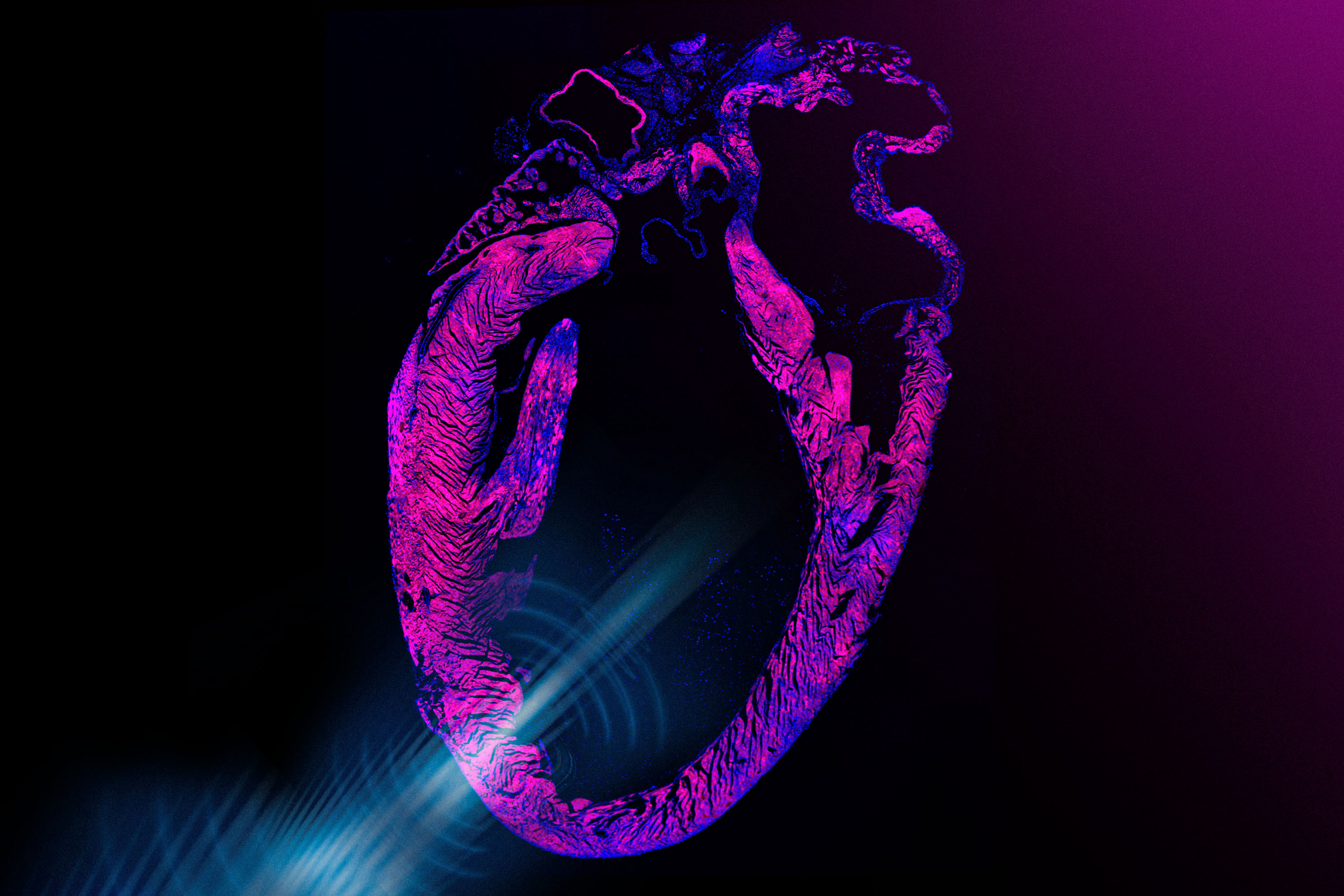 von Jennifer Chu | MIT News am 2. Juni 2026 um 9:00
The new design could offer a surgery-free alternative to traditional cardiac implants.
- Enzymes that assemble into droplets can speed up cellular reactions
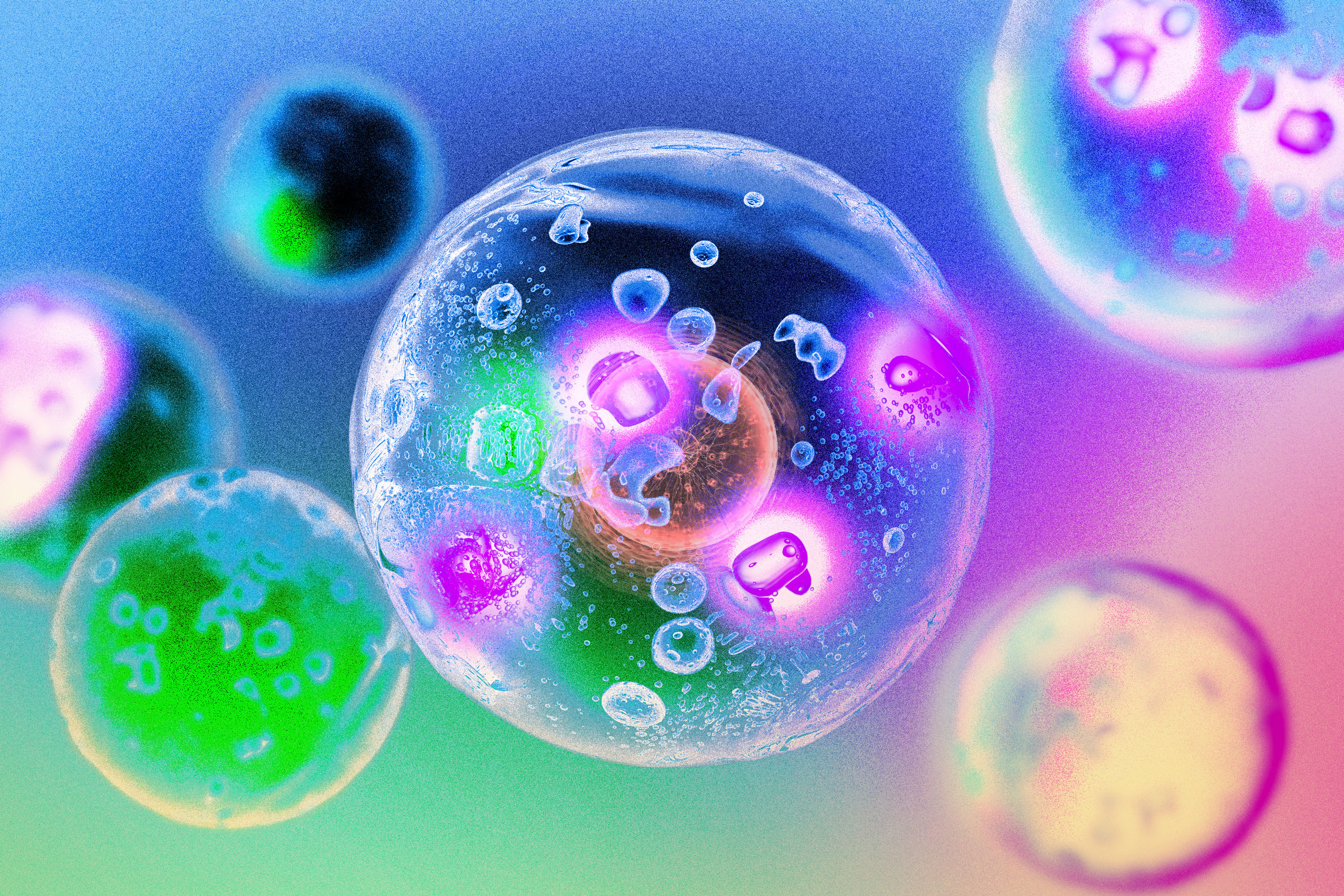 von Anne Trafton | MIT News am 1. Juni 2026 um 15:00
MIT biologists find highly concentrated droplets can help cells keep enzymes organized and control growth signals.
- MIT affiliates elected to National Academy of Sciences for 2026
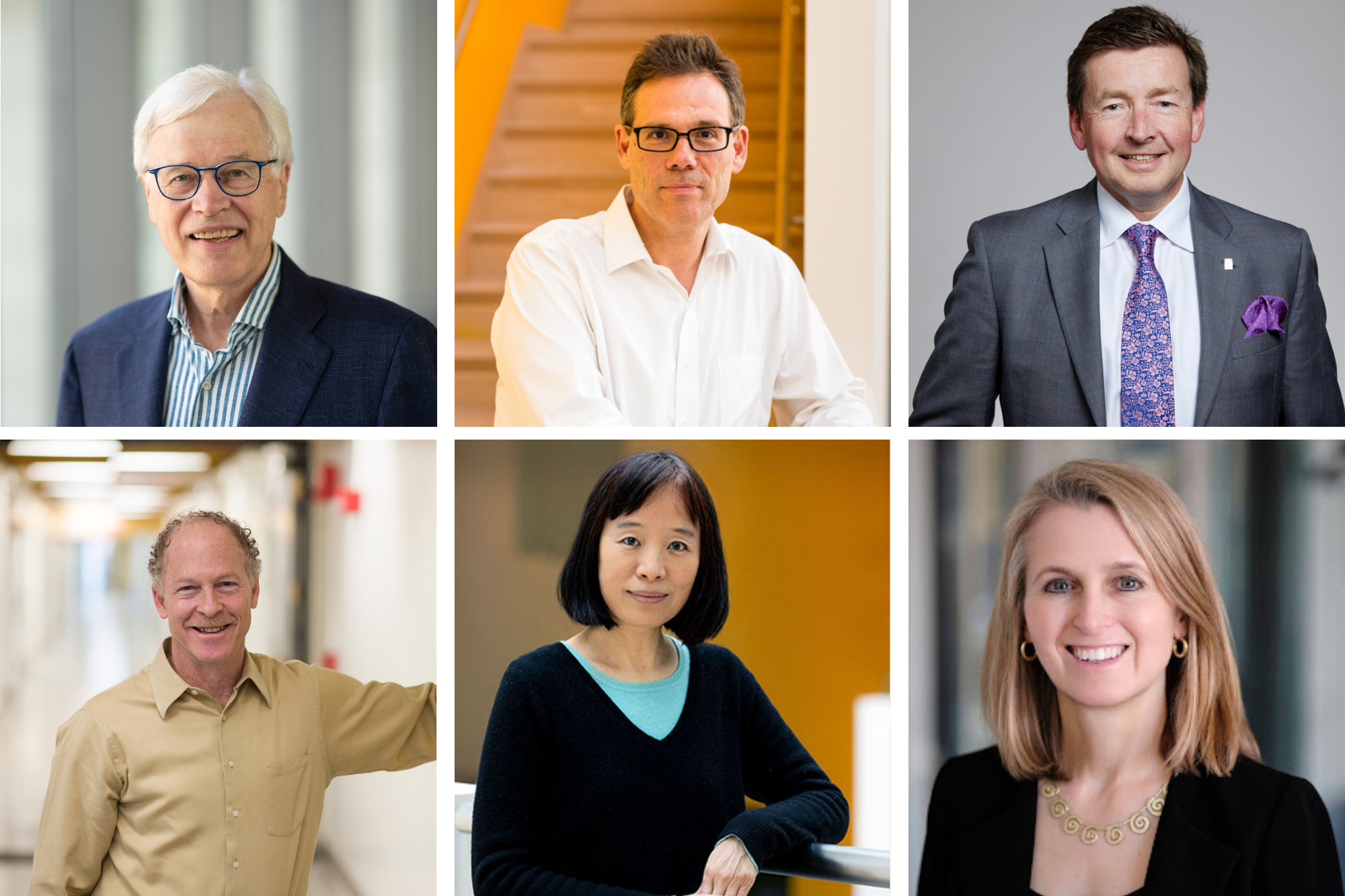 von School of Humanities, Arts, and Social Sciences | MIT Sloan School of Management | School of Engineering | School of Science am 21. Mai 2026 um 20:00
Six MIT faculty, along with 10 additional alumni, are recognized by their peers for their outstanding contributions to research in the natural and social sciences.
- Four from MIT named 2026 Searle Scholars
 von Julie Pryor | Bendta Schroeder | McGovern Institute for Brain Research | Koch Institute am 20. Mai 2026 um 20:00
Computational neuroscientist Sven Dorkenwald and cell biologist Whitney Henry, along with two MIT alumni, are recognized for their exceptional early-career research contributions.
- MIT BrainTrust supports neighbors living with brain injuries
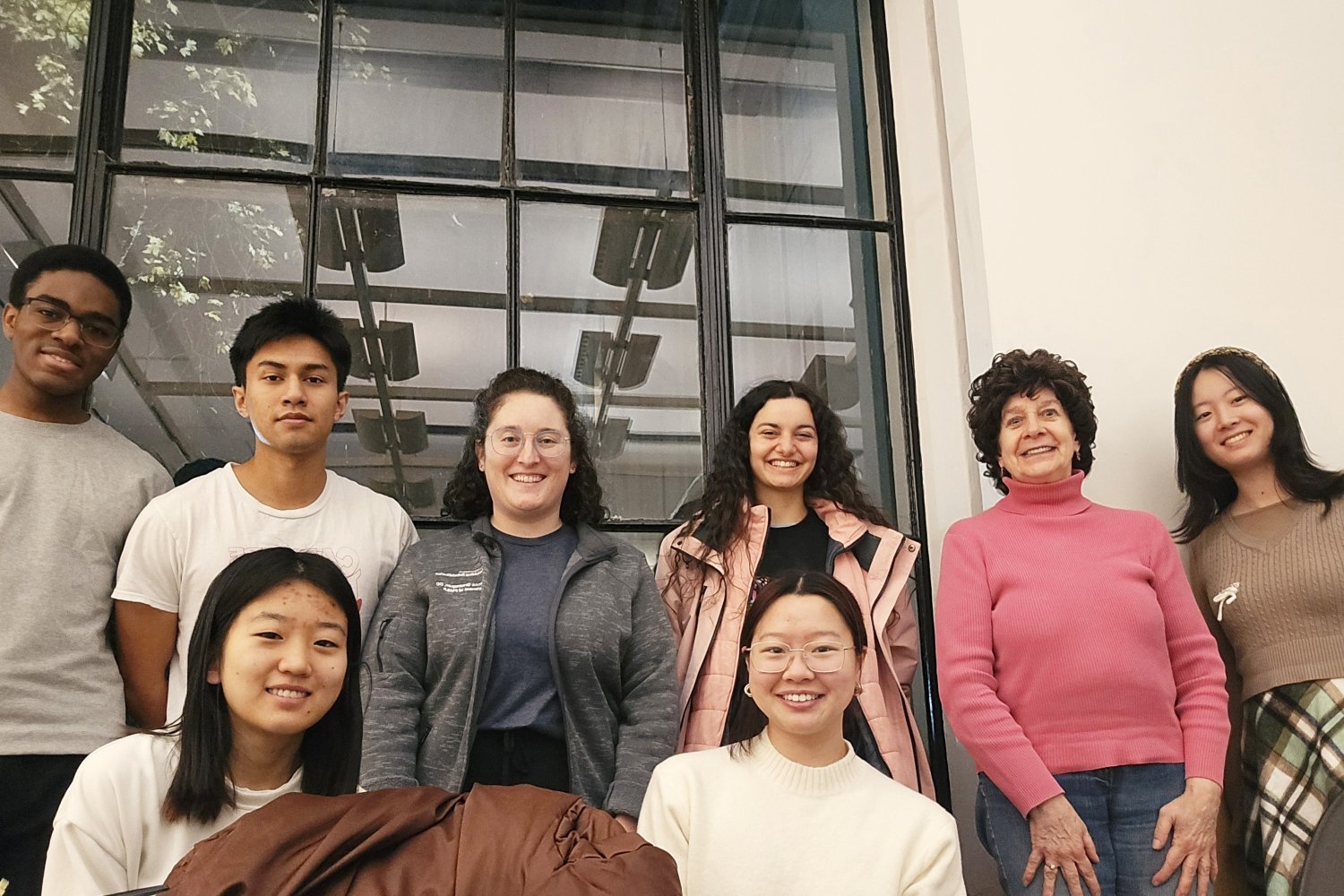 von Sarah Foote | Division of Student Life am 6. Mai 2026 um 18:25
Nearly 100 MIT students participate in a buddy program that assists Boston-area residents.
- Biologist Joey Davis explores how cells build complex structures
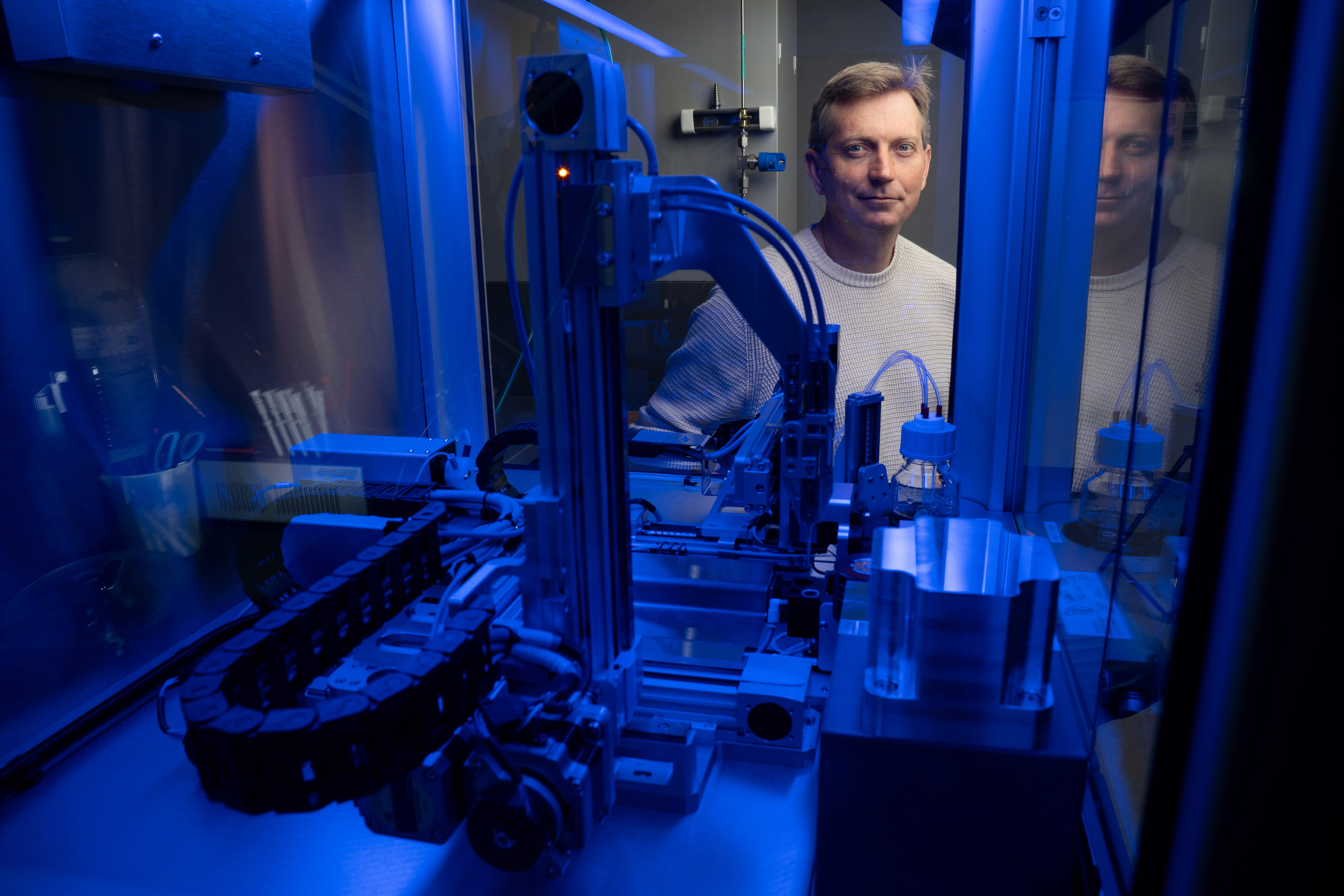 von Anne Trafton | MIT News am 5. Mai 2026 um 4:00
His studies have shed light on the assembly instructions that govern ribosomes, the critical protein-building machines of the cell.
- Rett syndrome study highlights potential for personalized treatments
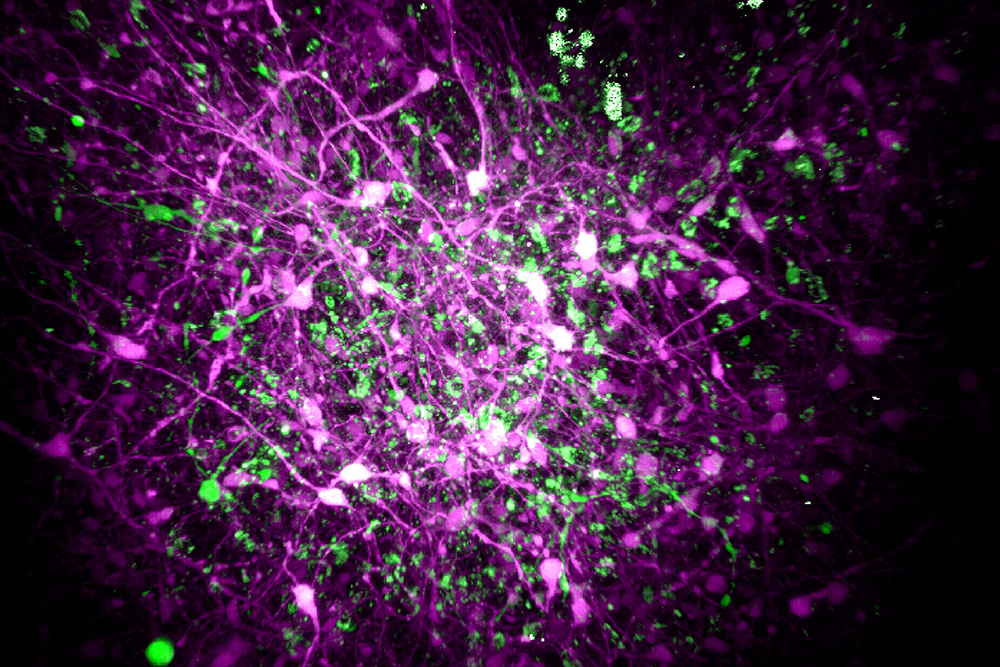 von David Orenstein | The Picower Institute for Learning and Memory am 4. Mai 2026 um 18:00
Using advanced human cell cultures, MIT researchers tracked how two different mutations alter neural circuit development, and how each could be addressed with distinct potential therapeutics.
- How chromatin movement helps control gene expression
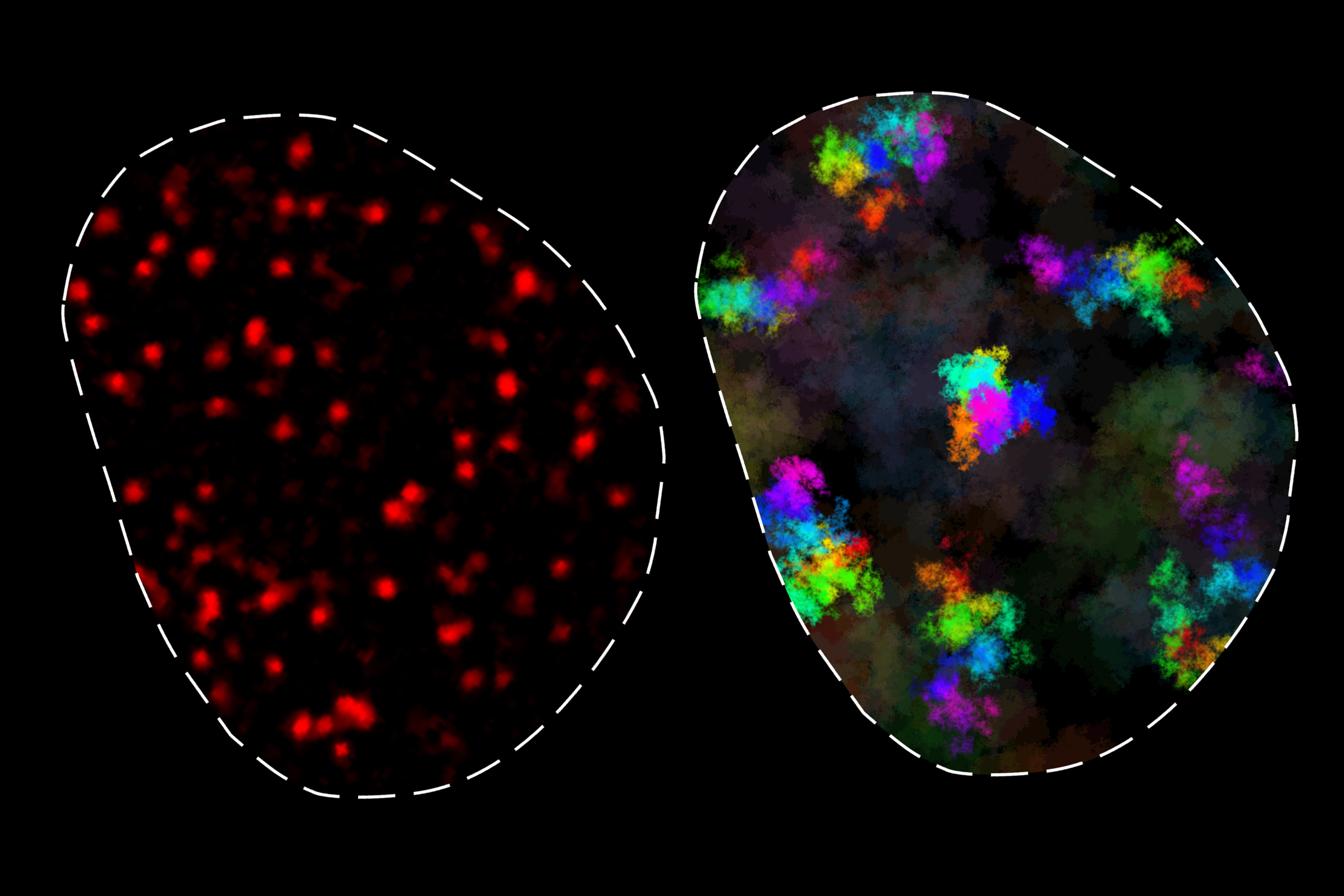 von Anne Trafton | MIT News am 4. Mai 2026 um 9:00
By monitoring these chromosomal structures over many timescales, MIT researchers found that chromatin helps bring genes closer to their regulatory elements.
- Study: Gene circuits reshape DNA folding and affect how genes are expressed
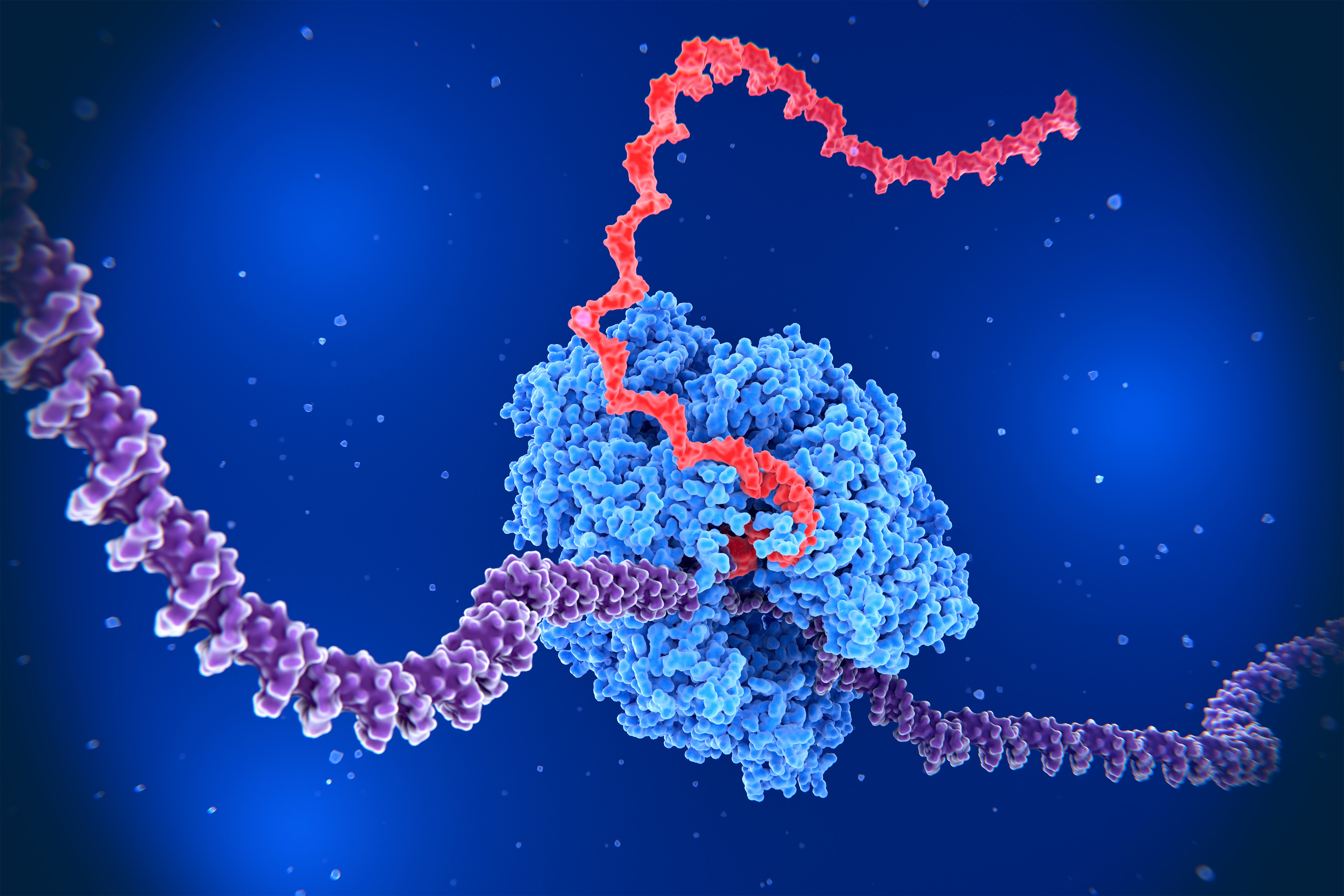 von Anne Trafton | MIT News am 30. April 2026 um 18:00
When genes are transcribed, they suppress or activate their neighbors, coupling expression between the two genes.
- Six from MIT awarded 2026 Paul and Daisy Soros Fellowships for New Americans
 von Julia Mongo | Office of Distinguished Fellowships am 28. April 2026 um 4:00
Fellowship honors contributions of immigrants to American society by awarding $90,000 in funding for graduate studies.
- Mapping molecular markers of physical fitness
 von Anne Trafton | MIT News am 28. April 2026 um 4:00
A new study reveals cellular pathways that appear to underlie some differences in physical fitness.
- Self-organizing “pencil beam” laser could help scientists design brain-targeted therapies
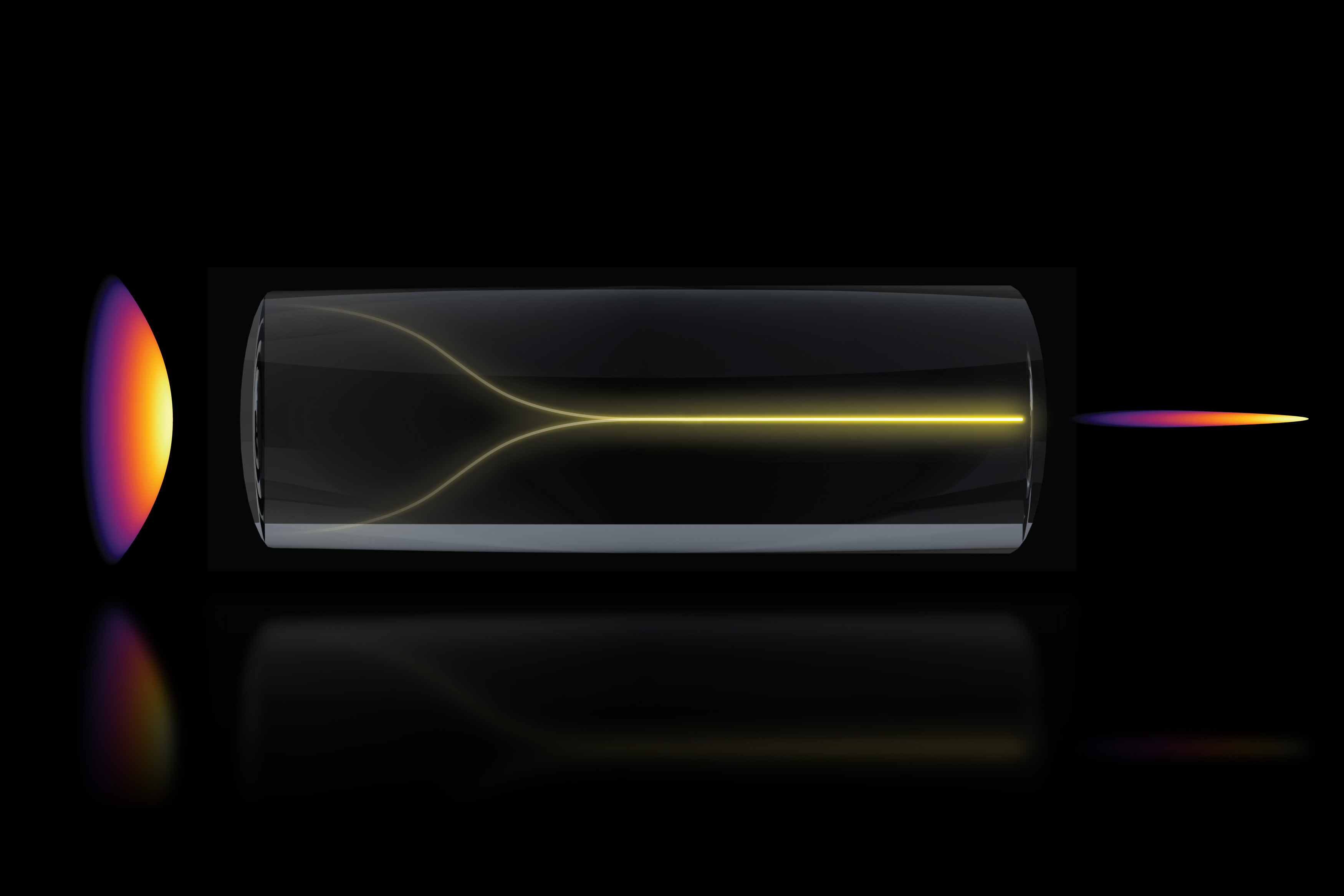 von Adam Zewe | MIT News am 27. April 2026 um 9:00
MIT researchers leveraged a surprise discovery to devise a faster and more precise biomedical imaging technique.
- MIT affiliates elected to the American Academy of Arts and Sciences for 2026
 von MIT News am 22. April 2026 um 20:00
The prestigious honor society honors four MIT faculty and 13 additional MIT alumni among more than 250 new members.
- Two MIT alumnae named 2026 Gates Cambridge Scholars
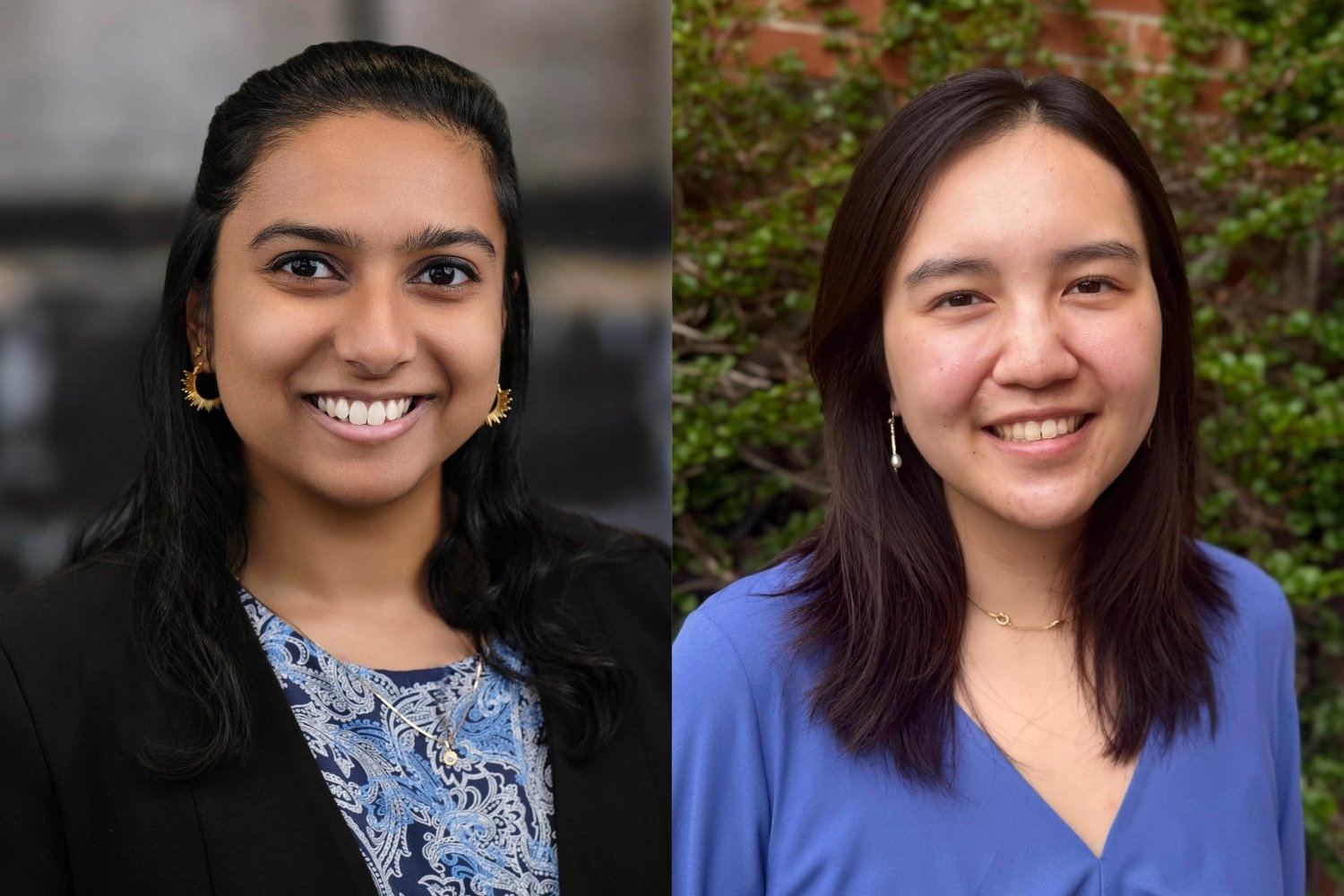 von Julia Mongo | Office of Distinguished Fellowships am 21. April 2026 um 22:35
Mitali Chowdhury ’24 and Christina Kim ’24 will pursue graduate studies at Cambridge University in the UK.
- Professor Michael Laub and MIT alumni named 2025 AAAS Fellows
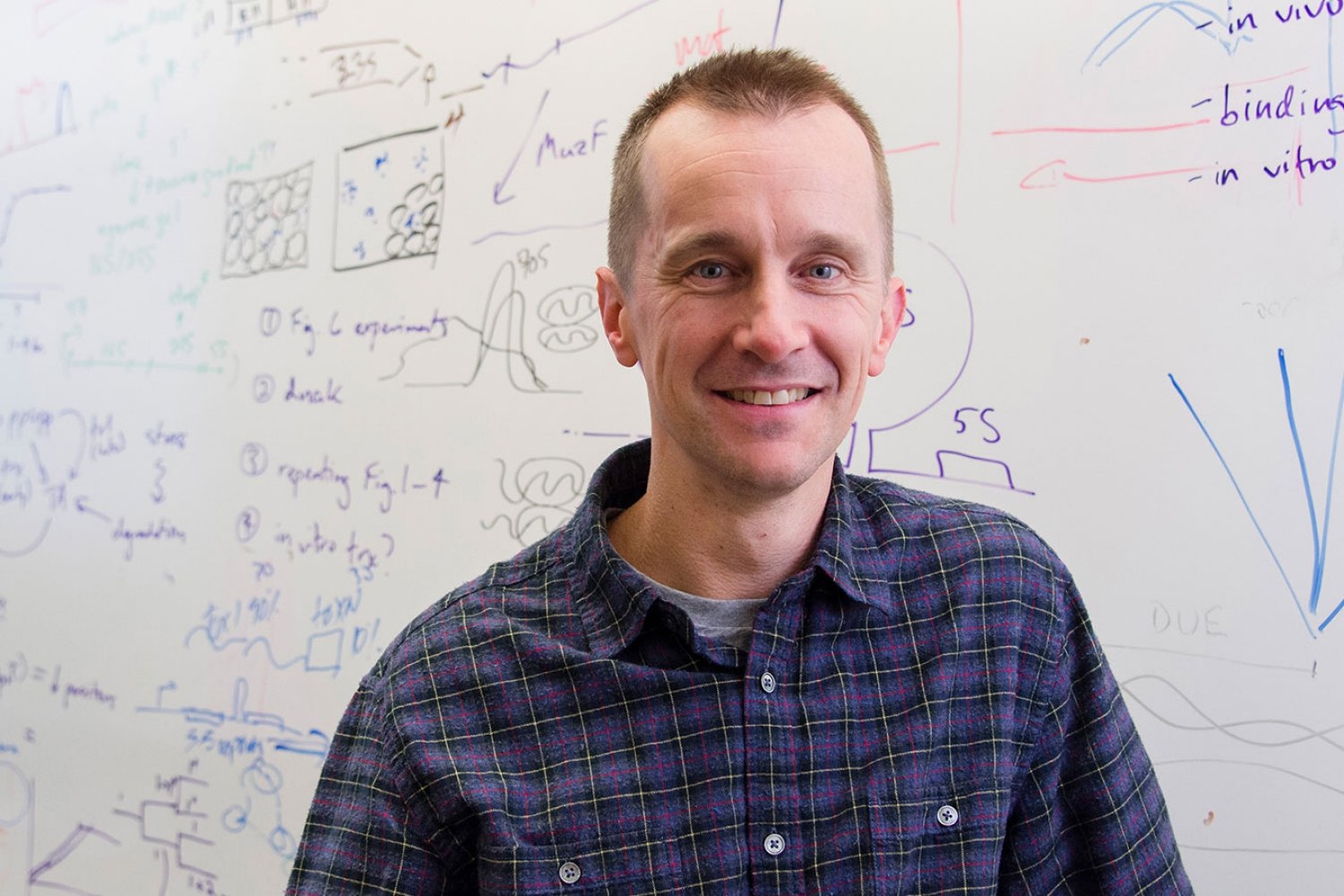 von School of Science am 17. April 2026 um 18:15
The American Association for the Advancement of Science recognized Laub and 21 alumni for their efforts to advance science and related fields.
- MIT study reveals a new role for cell membranes
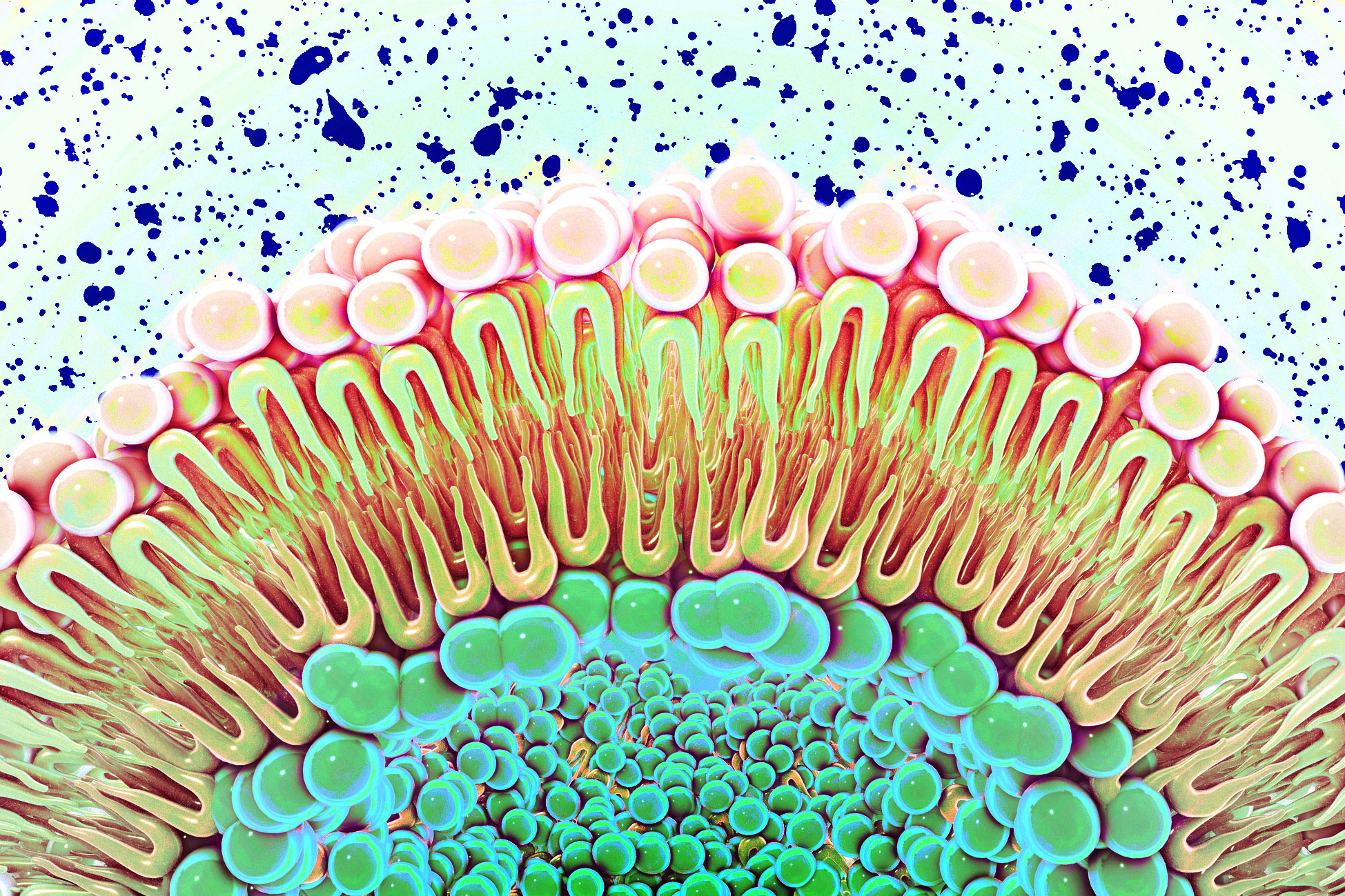 von Anne Trafton | MIT News am 16. April 2026 um 4:00
Long thought to be mainly a structural support, the cell membrane also influences how cells respond to signals and may contribute to the growth of cancer cells.
- Slice and dice
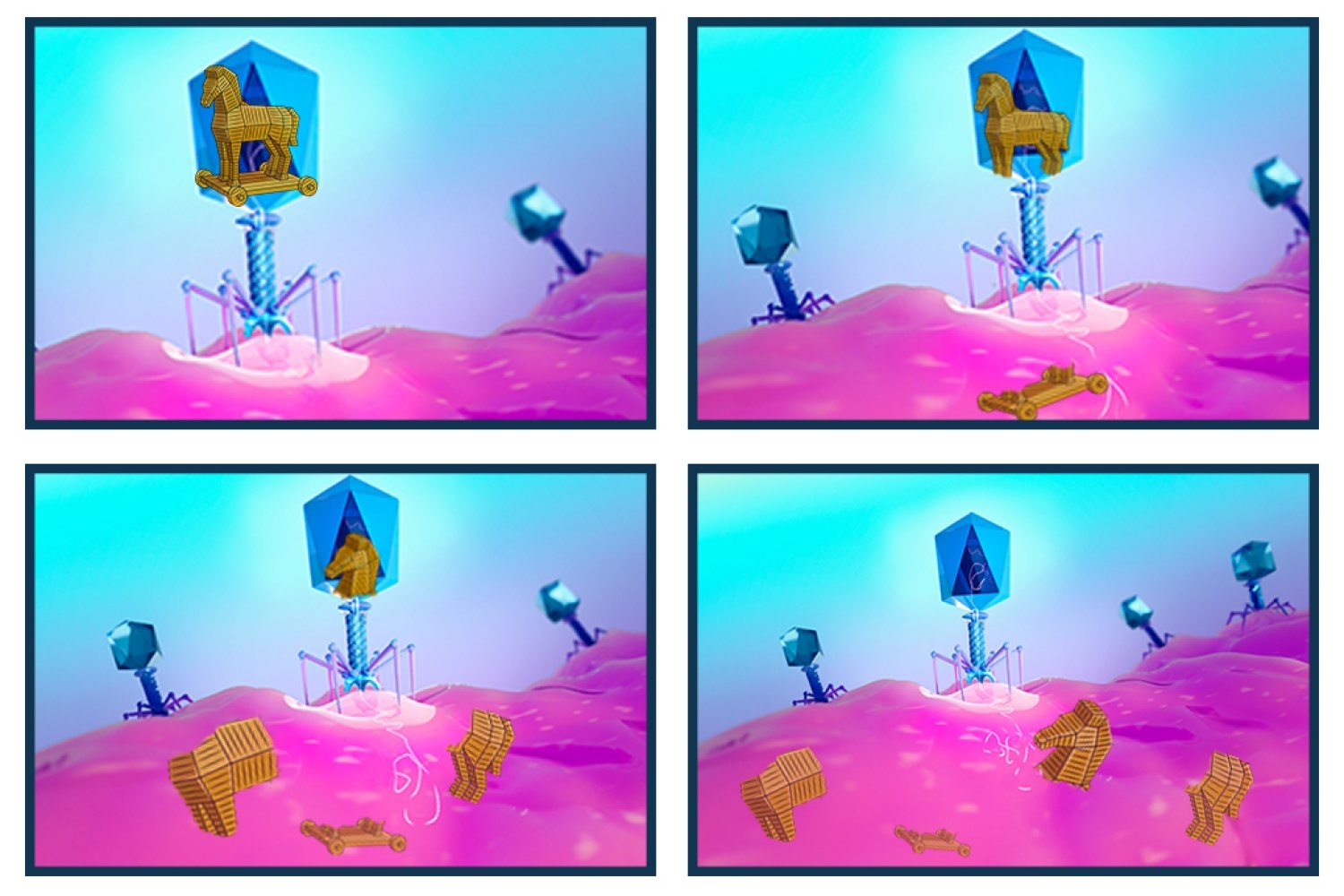 von Lillian Eden | Department of Biology am 9. April 2026 um 18:00
SNIPE, a newly characterized biological defense system, directly protects bacteria by chopping up invading viral DNA.
- Study reveals “two-factor authentication” system that controls microRNA destruction
 von Mackenzie White | Whitehead Institute am 7. April 2026 um 16:10
Researchers uncovered how cells selectively destroy certain microRNAs — key gene regulators — through a mechanism that requires two RNA signals working together.
- How bacteria suppress immune defenses in stubborn wound infections
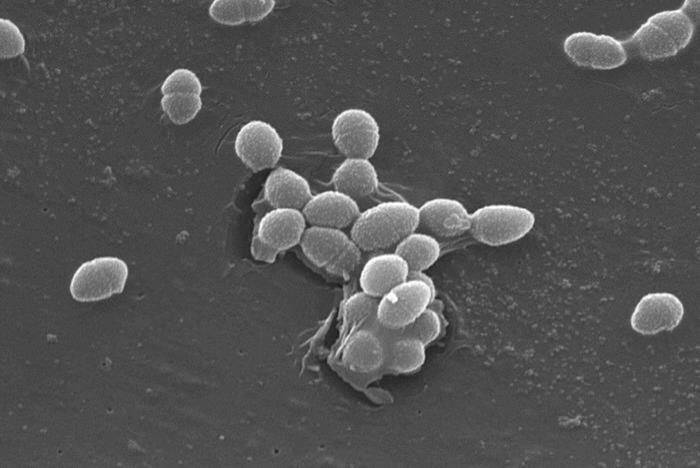 von Singapore-MIT Alliance for Research and Technology am 7. April 2026 um 15:40
Study finds a common bacterium can suppress the body’s early warning system in wounds, causing infections to persist and create an environment that allows other bacteria to take hold.
- Building the blocks of life
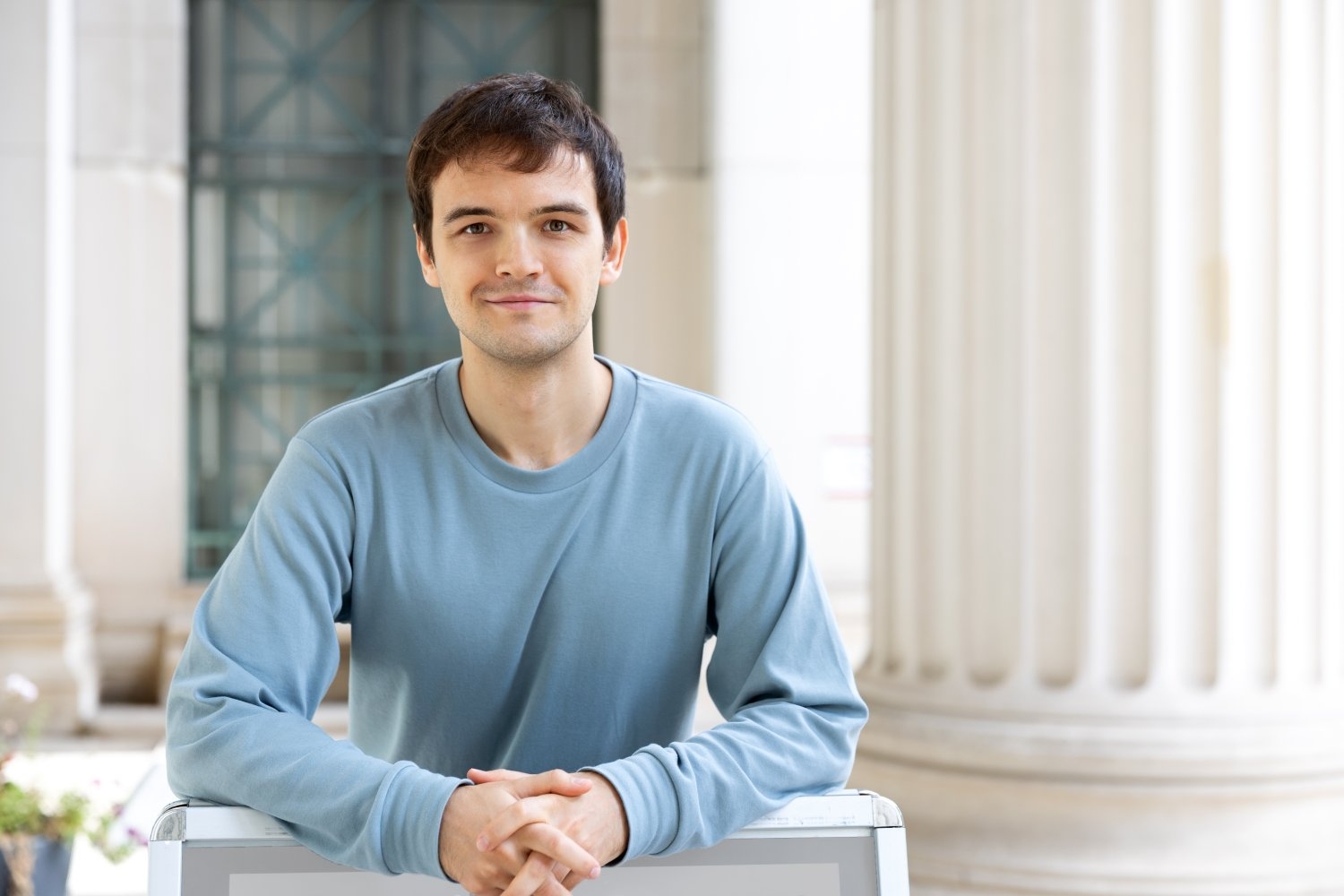 von Lyn Nanticha Ocharoenchai | School of Science am 31. März 2026 um 20:50
Computational biologist Sergei Kotelnikov is working to develop new methods in protein modeling as part of the School of Science Dean’s Postdoctoral Fellowship.
- QS World University Rankings rates MIT No. 1 in 12 subjects for 2026
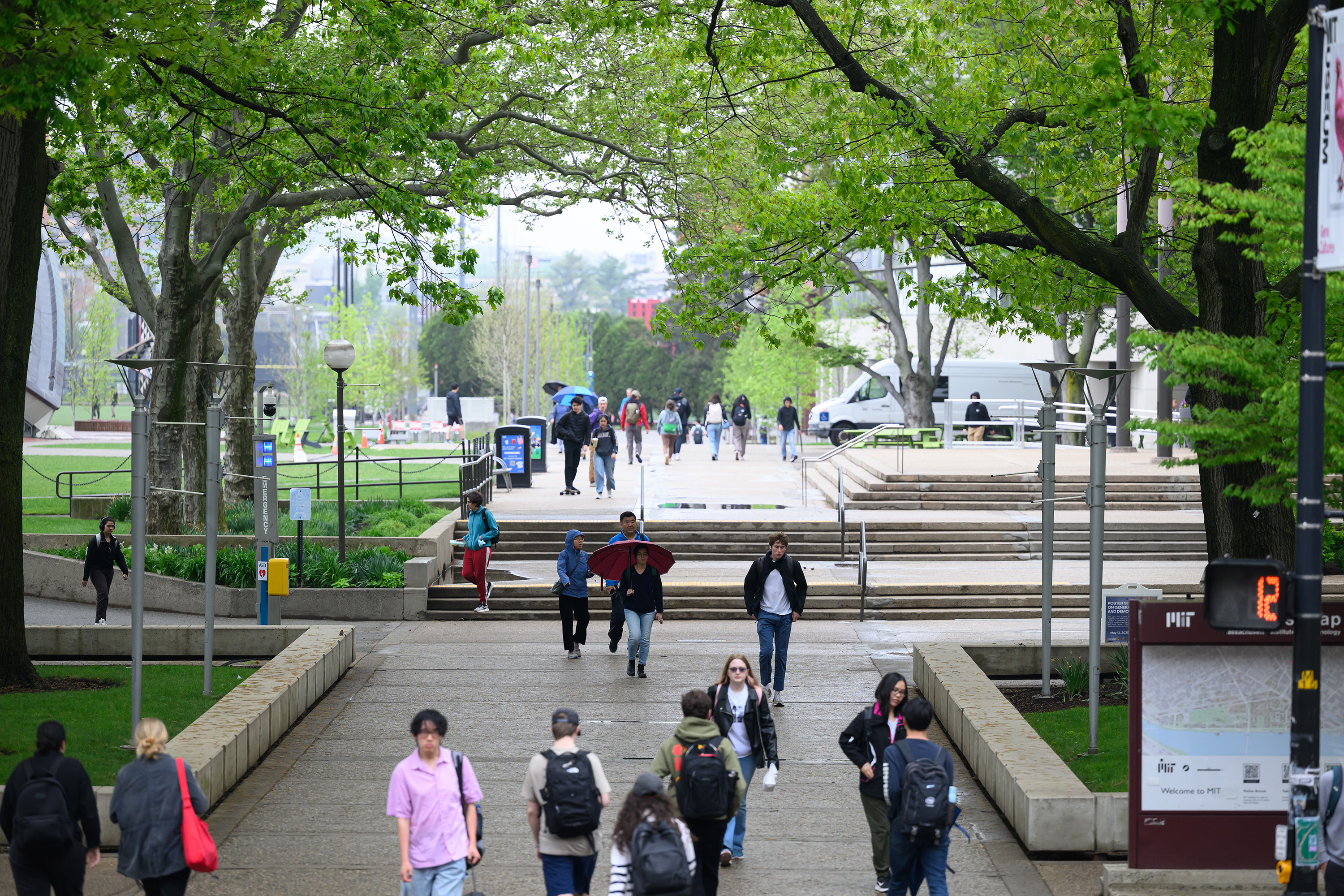 von MIT News am 25. März 2026 um 10:00
The Institute also ranks second in seven subject areas.
- Enduring passions for medicine, journalism, and triathlons
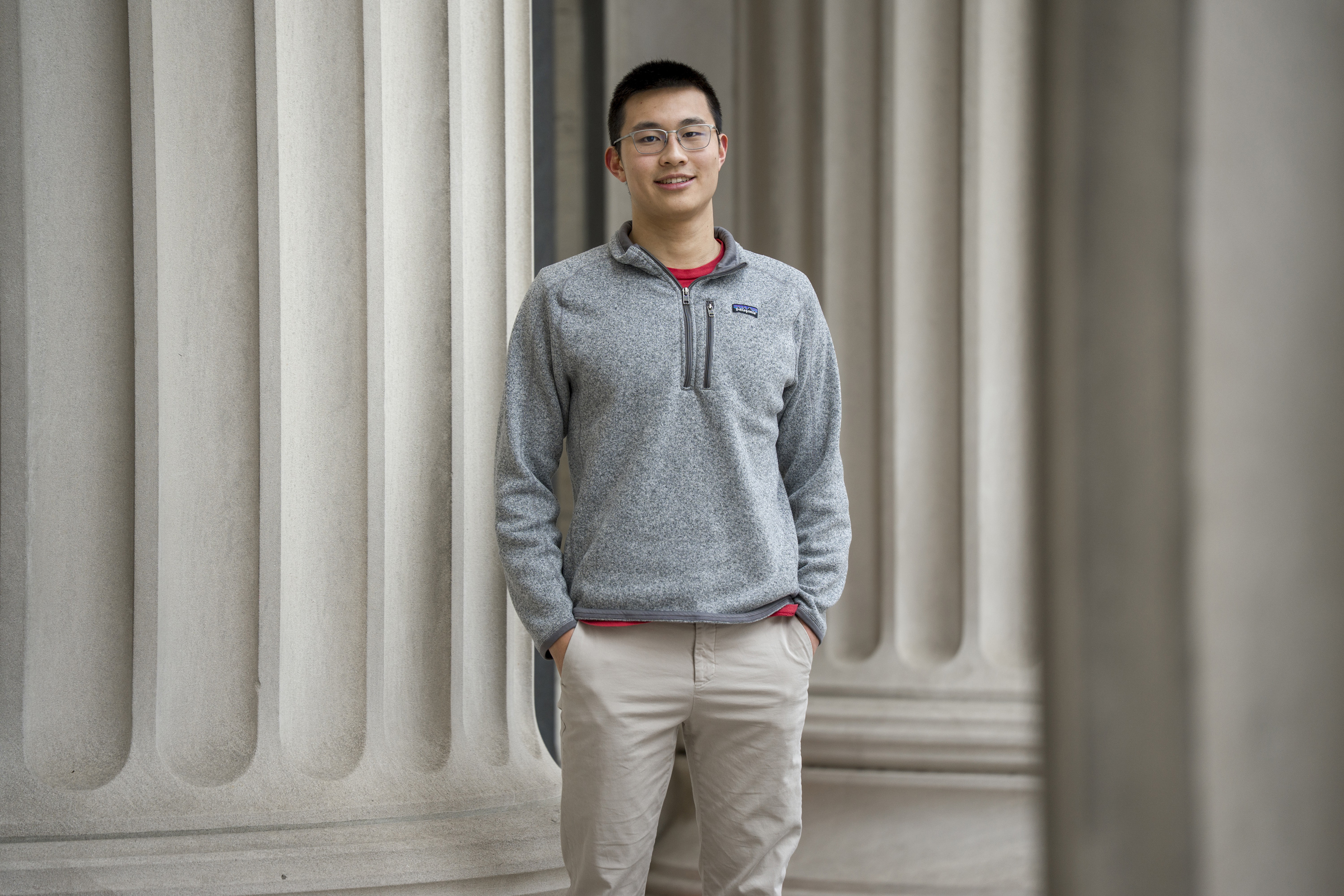 von Frances Klemm | MIT News correspondent am 25. März 2026 um 4:00
As an aspiring physician-scientist and editor-in-chief of The Tech, MIT senior Alex Tang has found inspiration in the lives of patients and others in his community.
- Brain circuit needed to incorporate new information may be linked to schizophrenia
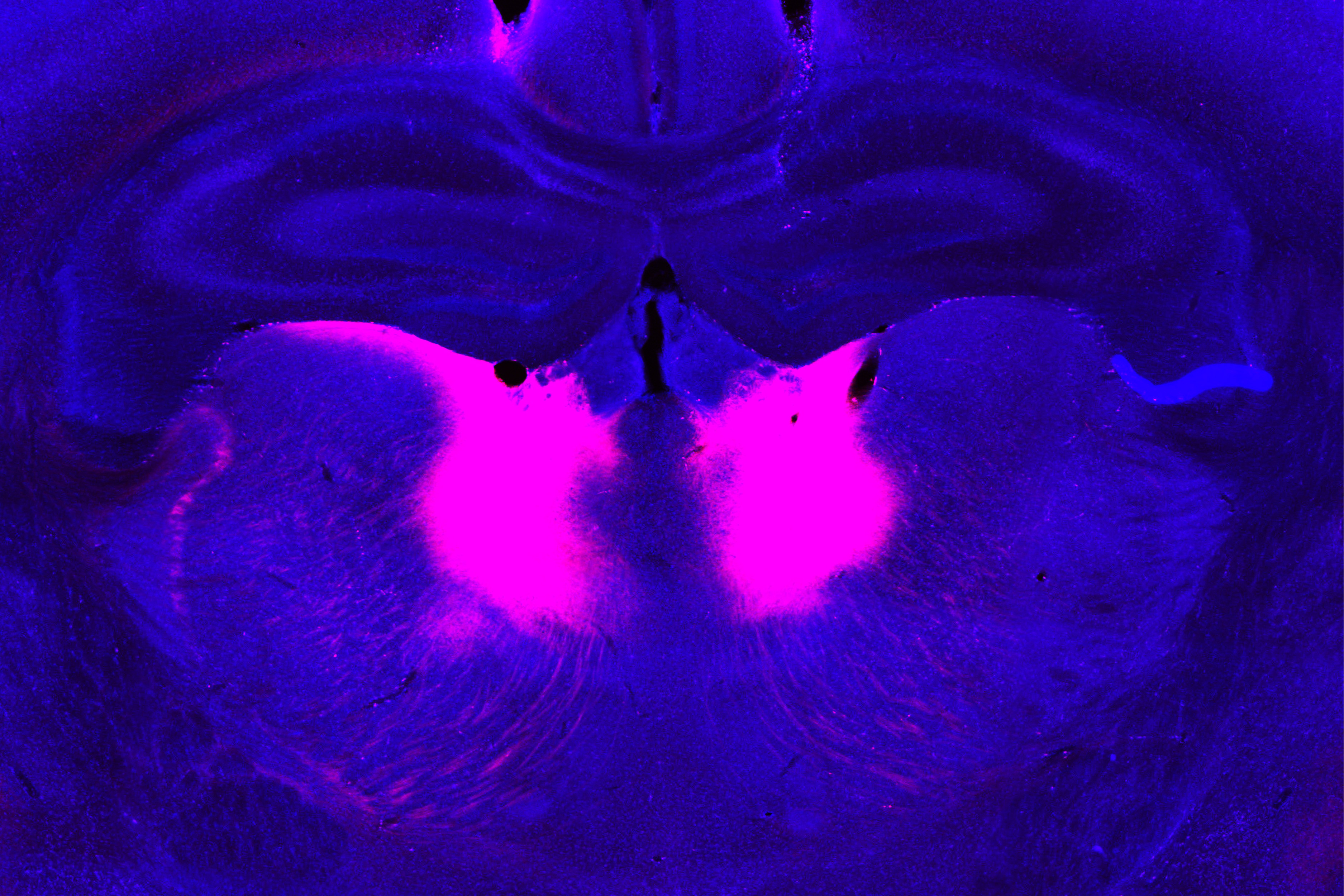 von Anne Trafton | MIT News am 18. März 2026 um 10:00
Impairments of this circuit may help to explain why some people with schizophrenia lose touch with reality.
- Ocean bacteria team up to break down biodegradable plastic
 von Zach Winn | MIT News am 16. März 2026 um 14:00
MIT researchers uncovered the roles of bacterial species from the environment as they consume biodegradable plastic.
- New sensor sniffs out pneumonia on a patient’s breath
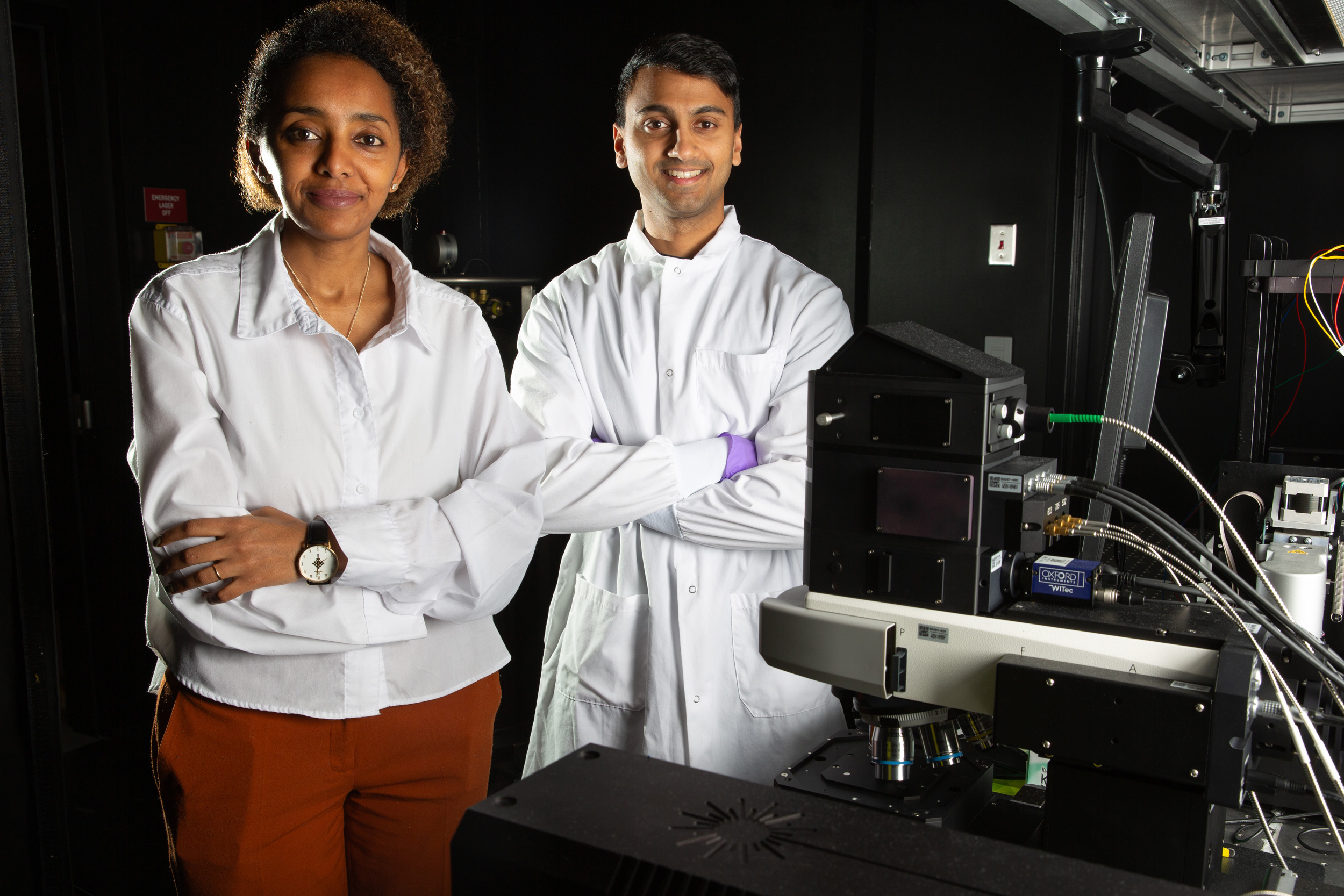 von Jennifer Chu | MIT News am 16. März 2026 um 4:00
The technology could enable fast, point-of-care diagnoses for pneumonia and other lung conditions.